












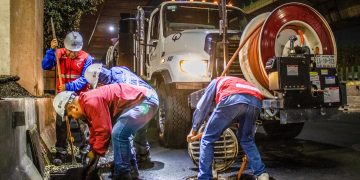











Did you know that efficiency could be enhanced and money saved with good drilling rig equipment? In the United Arab Emirates, the oil and gas industry is huge. Drilling rigs must be well-maintained. A drilling rig is highly costly. Therefore, it becomes imperative to service it and carry out regular maintenance. Regular maintenance will enable drilling firms to prevent downtime, lower repair expenses, and enjoy optimal value for money.
What is Preventive Maintenance in Drilling Rigs?
Preventive maintenance is needed in drilling rigs. It makes equipment function properly and smoothly. It involves routine maintenance procedures to avoid equipment breakdown and loss of downtime.
Key Components of Preventive Maintenance
Preventive maintenance on drilling rigs involves regular checks, lubricating, and part replacement. Preventive maintenance also involves checking drilling equipment and geotechnological equipment to promote maximum performance.
| Component | Description | Frequency |
| Equipment Inspections | Visual and operational checks on drilling equipment | Daily/Weekly |
| Lubrication | Lubricating moving parts to reduce wear and tear | Weekly/Monthly |
| Part Replacement | Replacing worn-out or damaged parts | As needed |
Benefits of Preventive Maintenance
Providing preventive maintenance is critical for drilling rig manufacturers. It is economical and ensures operations are safer. By fixing small problems beforehand, companies avoid huge repairs and lost time.
Cost Savings Over Time
Preventive maintenance saves significant amounts of money in the long term. It detects and repairs issues early on, which prevents large repairs from occurring. This saves money and makes the drilling rig last longer.
Enhanced Safety Features
Preventive maintenance plays an important role in ensuring that drilling rigs are safe. It detects hazards early through checks. It makes the work environment safer and accidents decrease. Safety components included in the maintenance program safeguard individuals and equipment. This minimizes dangers and maximizes productivity.
Common Drilling Rig Maintenance Tasks
Drilling rig maintenance involves significant activities. Maintenance of equipment to keep it running and minimizing downtime is necessary. Operators can extend rig life and optimize efficiency by monitoring these processes.
Regular Equipment Inspections
Check your rig every day to identify premature wear, damage, and leaks. Drill pipes and mud pumps are maintained in good condition by checking them. Check bearings and gears also to avoid compounding problems.
Fluid Analysis and Replacement
Fluid analysis is critical to maintenance. Fluid analysis monitors drilling fluids for contamination and quality that impacts rig performance and lifespan. System health is maintained by fluid replacement on a timely schedule. Fluid and soil testing, in general, preserves operating condition and avoids damage.
Electrical System Checks
The electrical system is an important component of drilling rigs, governing the operations and maintaining safety. It requires regular inspection for normal functioning. Inspect electrical wiring for damage and circuit breakers to avoid disruption and risk.
Identifying Maintenance Needs
Knowing when to do maintenance can really help drilling rigs work better. It’s key to watch drilling parameters and conditions closely. This helps spot problems early and fix them fast.
Understanding Warning Signs
Drilling rigs signal that there is trouble ahead. Pay attention to unusual noises, vibrations, or drilling changes. Operators must be able to identify these in order to react quickly.
Some common warning signs include:
| Warning Sign | Description | Potential Cause |
| Unusual Noise | Grinding or screeching sounds from machinery | Worn-out bearings or misaligned parts |
| Increased Vibration | Excessive vibration during operation | Imbalanced components or loose fasteners |
| Drilling Performance Changes | Reduced drilling speed or efficiency | Dull drill bits or improper drilling parameters |
Using Data to Predict Failures
Predictive maintenance uses data to guess when equipment might fail. Well logging and soil testing give important data for analysis. This helps predict when problems might happen.
By using data, drilling teams can:
- Plan maintenance when it won’t hurt operations
- Lower downtime surprises
- Make equipment last longer
Starting a predictive maintenance plan needs money for tools and software. It also needs training for people to understand and use the data.
The Impact of Environment on Maintenance
Weather and environmental factors significantly impact drilling rig maintenance. The rig’s performance and lifespan rely on the conditions it encounters.
Weather Conditions and Their Effects
Severe temperature, rain, and humidity may harm drilling rig machinery. Heat loads engines and hydraulics and thickens and reduces the efficiency of lubricants. Severe weather requires additional precautions for rigs. During heat, cooling machinery requires frequent checks. During cold, fluids must be low-temperature tolerant.
Adaptations for Different Locations
Drilling rigs call for diversified maintenance schedules. Seawater corrodes sea rigs, whereas desert rigs must have filters changed on a regular basis because of dust.
| Location | Environmental Challenge | Maintenance Adaptation |
| Coastal Areas | Corrosion from Saltwater | Frequent Corrosion Checks |
| Desert Regions | Dust and Sand | Frequent Filter Changes |
| High Altitude | Lower Oxygen Levels | Engine Performance Checks |
Knowing these environmental impacts helps rigs last longer and work better. Adapting maintenance plans is key.
The Role of Technology in Maintenance
Technology is key in drilling rig maintenance. It makes maintenance work better and more efficient.
Utilizing IoT and Sensors
The Internet of Things (IoT) and sensors are very important. They help watch equipment in real time. This means problems can be found early. Real-time monitoring prevents breakdowns, reduces downtime, and raises productivity. Sensors detect unusual vibrations or temperature fluctuations, signaling potential issues.
| Technology | Application | Benefit |
| IoT Devices | Real-time equipment monitoring | Early detection of problems |
| Sensors | Watching how equipment works | Stopping equipment failure |
Software for Tracking Maintenance
Record keeping is essential for drilling rigs. Tasks are handled in one place by specialized software. Maintenance and compliance are facilitated. Auto scheduling, real-time updates, and reports are the main features.
Conclusion: Investing in Longevity for Your Drilling Rig
By doing regular maintenance, drilling rig operators can make their equipment last longer. This helps keep drilling rigs running well and makes drilling tools work better.
To prolong the life of your drilling rig, get ahead of issues by starting regular maintenance, employee training, and the adoption of technology for monitoring. Preventive maintenance is inexpensive, saves downtime, and keeps your equipment in prime condition.