
























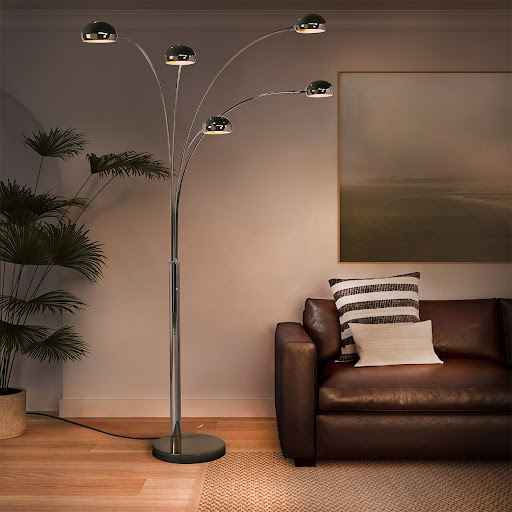
Your living room is the most used space in your home. It is where families gather, guests are entertained, work happens on a laptop, and sometimes the whole household just collapses on the sofa after a long day. The one thing that ties all those moments together and shifts the room from one function to the next is lighting. Specifically, the right living room lamps can do more for a space than most homeowners ever give them credit for.
This guide is written for people who want to make genuinely informed decisions, not just click “add to cart” on whatever looks nice in a thumbnail. We will walk through lamp types, placement strategies, bulb science, style matching, and the most relevant trends going into 2026. Whether you are furnishing a brand-new home or refreshing a tired space, this is the resource that gives you a complete picture.
Why Living Room Lighting Matters More Than You Think
Most people spend money on sofas, rugs, and coffee tables without ever seriously thinking about how light interacts with all of those purchases. The truth is that lighting design changes the perception of every other element in the room. A mid-century modern sofa in a poorly lit room looks flat. The same piece under warm, layered lighting suddenly becomes the centerpiece it was meant to be.
Living room lamps serve a functional purpose, but they also perform atmospherically. The right lamp can make a ceiling feel higher, a corner feel cozier, or a reading nook feel intentional rather than accidental. Layered lighting, a term designers use to describe the combination of ambient, task, and accent light, is achievable in any home when you understand how different lamp types work together.
Design Insight
Lighting accounts for roughly 20 percent of a room’s perceived warmth and comfort, yet most homeowners spend less than 5 percent of their renovation budget on it. Getting lamps right is one of the highest-value moves in interior design.
Think of overhead lighting as the foundation. It handles general illumination, but it is flat and often harsh on its own. Living room lamps add dimension. They create pools of light that define zones, soften shadows, and add depth. A home without floor lamps or table lamps, regardless of how well-designed everything else is, always feels slightly unfinished to trained eyes.
Types of Living Room Lamps and What Each One Does
Not all lamps are interchangeable. Each type has a specific role, and understanding those roles helps you build a lighting plan that works across all uses of the room.
Floor Lamps
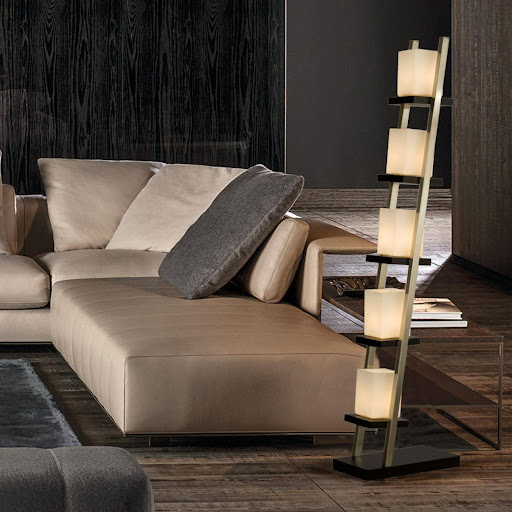
Floor lamps are the workhorses of living room lighting. They stand independently, require no furniture surface, and can be positioned anywhere in the room. A tall arc floor lamp positioned over a reading chair serves task lighting. A torchiere floor lamp pointed toward the ceiling creates soft ambient bounce light that makes the whole room feel warmer. Floor lamps with adjustable arms are especially popular in 2026 because they serve multiple purposes without requiring you to buy multiple pieces.
Real-World Example
A homeowner in Austin, Texas furnished a 400 square foot open-plan living area with just three pieces of lighting: one large arc floor lamp in the reading corner, one pair of matching table lamps flanking the sofa, and recessed overhead lighting on a dimmer. The result was a space that felt layered, intentional, and flexible depending on the time of day. No chandelier, no elaborate fixtures. Just thoughtful lamp placement.
Table Lamps
Table lamps are the most visually versatile category. They sit on end tables, consoles, sideboards, and shelving units. Their primary job is layered ambient lighting at a lower height, which softens the overall feel of a room in ways overhead lights simply cannot. Paired table lamps on either side of a sofa create visual symmetry and balance. A single large table lamp on a console behind the sofa adds depth and draws the eye back into the room.
Table lamps also serve as decorative objects in their own right. The base, whether it is ceramic, glass, brushed metal, or sculpted resin, contributes to the design language of the room. The shade material and shape affect how light diffuses. Drum shades spread light evenly. Empire shades direct more light downward. Linen shades give a warm glow. Opaque shades create focused pools of light with a clean, graphic look.
Buffet and Console Lamps
These are taller and narrower than standard table lamps. They are designed for surfaces like sideboards, consoles, and entryway tables where height is needed but width is limited. In living rooms with open layouts, a pair of buffet lamps on a credenza can act as a visual anchor for that side of the room.
Plug-In Pendant Lamps
A growing category in 2026, plug-in pendants allow homeowners to add pendant-style lighting without hardwiring. They hang from a ceiling hook and plug into a standard outlet. In living rooms, they work beautifully over a reading chair or in a corner where a floor lamp would be too bulky. They bring a curated, boutique-hotel quality to a space at a fraction of the cost of hardwired pendants.
Desk and Task Lamps
As more people use their living rooms for remote work, task lamps have become a relevant category. A well-designed task lamp on a side table or floating shelf keeps the workspace functional without introducing a jarring, office-like aesthetic into a residential setting.
Matching Lamp Styles to Modern Interior Design
Modern homes in 2026 cover a wide spectrum of aesthetics. “Modern” no longer means purely minimalist or Scandinavian. It now encompasses warm modernism, organic modern, contemporary coastal, transitional, and industrial-modern styles, each with different lamp requirements.
Warm Modern and Organic Modern
These interiors lean on natural materials like wood, rattan, linen, travertine, and clay. Living room lamps for these spaces should feel handcrafted rather than mass-produced. Ceramic bases with matte finishes, woven rattan shades, and linen drum shades all perform well here. The goal is light that feels like it belongs to nature, not to a big-box store.
Mid-Century Modern
One of the most enduring styles in American homes. This aesthetic calls for lamps with clean lines, tapered shades, and bases that celebrate material honesty. Teak, walnut, and brass all fit here. An arc floor lamp with a brushed gold finish over a low-slung sofa is essentially the signature look of mid-century influenced living rooms. Sputnik-style floor lamps and tulip-base table lamps are also deeply rooted in this tradition.
Contemporary and Transitional
Transitional interiors blend traditional warmth with contemporary simplicity. Lamp choices here tend to be versatile, things that read as classic without being ornate. Brushed nickel, aged bronze, and white ceramic are safe but stylish base materials. White or off-white shades keep things light and open. The silhouette of the lamp matters more than the finish in transitional spaces.
Industrial and Urban Modern
Exposed metal, Edison bulbs, and matte black finishes define this style. Floor lamps with cage shades, gooseneck desk lamps repurposed as accent pieces, and table lamps with raw concrete or oxidized metal bases all serve this aesthetic. The light itself tends to run warmer and dimmer to maintain that moody, loft-like atmosphere.
Scandinavian Minimalism
Less is genuinely more here. One or two carefully chosen lamps with simple geometric forms, white or light wood materials, and frosted glass shades define this approach. The lamps should feel like they disappeared into the room rather than announcing themselves.
Style Tip
The most common mistake when matching lamps to a style is focusing only on the base. The shade is equally important. An otherwise perfect lamp with the wrong shade can pull the room in an unintended direction. Always evaluate base and shade as a unit.
Smart Lamp Placement Tips for Any Room Layout
Good lighting placement is about creating layers at different heights and in different zones of the room. The goal is to avoid having all your light come from a single source and at a single height, which creates flat, institutional-feeling illumination.
The Triangle Rule
Interior lighting designers often use a loose triangle principle: place three light sources at different points in the room, ideally at varying heights. This creates visual balance and ensures that no corner of the room feels neglected. For example, one floor lamp near the reading chair, one table lamp on the console behind the sofa, and one pair of table lamps flanking the entertainment wall creates a triangle of light that works from any angle.
Eye-Level Principle for Table Lamps
When seated, the bottom of a table lamp shade should sit roughly at eye level, around 60 to 65 inches from the floor when measured from the top of the shade. This prevents both glare from looking up into the bulb and under-lighting that leaves faces in shadow during conversation.
Arc Lamp Placement
Arc lamps are uniquely powerful because they can extend light over a seating area without needing a surface. Position the base behind or beside the furniture it illuminates, never in front of a walking path. The arc should extend so that the shade sits directly above the activity space, which is usually above or slightly in front of the seat.
Symmetry vs. Asymmetry
Symmetrical lamp placement, matching lamps on either end of the sofa for example, creates a sense of order and calm. Asymmetrical placement, a tall floor lamp on one side and a shorter table lamp on the other, creates visual interest and a more relaxed, lived-in feel. Neither approach is wrong; it depends on the mood you want the room to carry.
Choosing the Right Bulb: Warmth, Lumens, and Color Temperature
The lamp is only half the equation. The bulb inside it determines the actual quality of light you live with every day, and getting this wrong is one of the most common reasons a room never quite feels right despite good furniture and thoughtful design.
Color Temperature
Color temperature is measured in Kelvin. For living rooms, the ideal range sits between 2700K and 3000K. This range produces warm white light that flatters skin tones, complements warm interior palettes, and feels genuinely comfortable to spend time in. Bulbs at 4000K and above are daylight and cool white, which are better suited for kitchens, offices, and workspaces where task clarity matters more than comfort.
Practical Example
A homeowner replaces all living room bulbs with 5000K daylight LED bulbs to “save energy.” The room immediately feels clinical and cold. The furniture, which looked warm and inviting in the showroom, now reads as flat and off-color. Switching to 2700K warm white LEDs with the same wattage fixes the atmosphere in minutes. The bulb, not the lamp, was the problem.
Lumens vs. Watts
Watts measure energy consumption. Lumens measure actual brightness. A 10-watt LED can produce 800 lumens, which is equivalent to a 60-watt incandescent bulb. For ambient living room lamps, 450 to 800 lumens per lamp is a comfortable range. Task lamps, like reading lamps, benefit from 800 lumens or above.
CRI: The Often-Overlooked Factor
Color Rendering Index (CRI) measures how accurately a bulb renders colors compared to natural sunlight, on a scale of 0 to 100. Bulbs with a CRI of 90 or above are considered high-quality and will make your furniture, art, textiles, and skin tones look as intended. Many budget LED bulbs have CRI ratings in the low 80s, which is why things can look slightly washed out or off even at the right color temperature. Look for CRI 90+ whenever possible, especially for lamps near art or high-quality furnishings.
Dimmable Bulbs
If your lamps have dimmer switches or you plan to add them, always choose bulbs explicitly labeled as dimmable. Not all LED bulbs are compatible with dimmers, and mismatches can cause flickering, buzzing, or limited dimming range.
Lamp Comparison Table: Styles at a Glance
| Lamp Type | Best Use | Ideal Room Zones | Style Fit | Typical Height |
| Arc Floor Lamp | Ambient + task lighting | Reading chairs, sofas | Mid-century, modern, organic | 72 to 84 inches |
| Torchiere Floor Lamp | Ambient uplighting | Corners, beside furniture | Contemporary, transitional | 60 to 72 inches |
| Standard Table Lamp | Layered ambient light | End tables, consoles | All styles | 24 to 32 inches |
| Buffet / Console Lamp | Vertical accent lighting | Sideboards, narrow consoles | Transitional, classic, modern | 32 to 38 inches |
| Plug-In Pendant | Focused accent or task | Corners, above chairs | Contemporary, industrial, Scandi | Adjustable |
| Swing-Arm Task Lamp | Focused task lighting | Reading nooks, work corners | Industrial, transitional | Varies |
| Tripod Floor Lamp | Decorative + ambient | Open corners | Mid-century, organic, eclectic | 58 to 70 inches |
How NOVA of California Approaches Modern Lighting
NOVA of California is a lighting brand with a philosophy rooted in the idea that everyday living deserves beautiful, purposeful light. Based in California, the brand has built a reputation for crafting living room lamps that translate sophisticated design language into accessible, livable products for American homes.
What sets NOVA of California apart in the 2026 marketplace is a commitment to material integrity. Their lamp bases use real ceramic, hand-blown glass, and solid cast metals rather than the resin substitutes that dominate value-tier lighting. The difference shows in longevity, tactile quality, and how the material ages over time, developing a patina that feels earned rather than applied.
The brand’s shade program is equally considered. NOVA of California offers linen, cotton, and natural fiber shades calibrated for specific light diffusion qualities. Paired with their recommended CRI 92 bulb line, the result is light that feels genuinely warm, dimensional, and flattering in ways that most off-the-shelf lamp-and-shade combinations simply do not achieve.
Brand Signature
NOVA of California designs lamps to work as design objects even when turned off. The visual weight and material quality of each piece contributes to the room even during daylight hours, a detail that separates furniture-grade lighting from commodity lighting.
Their most popular living room lamp categories include sculptural ceramic table lamp pairs, organic-modern floor lamps with natural rattan shades, and streamlined arc lamps with articulating brass arms. Each collection is developed in response to evolving interior design movements in the American market, which means the range consistently reflects what actual American living rooms look like rather than what European trend decks suggest they should look like.
For homeowners who want a cohesive lighting plan across a living room without hiring an interior designer, NOVA of California offers curated lamp sets designed to work together visually and functionally. This approach removes the guesswork of mixing and matching bases, shades, and heights independently.
Room Size Matters: Scaling Lamps Correctly
One of the most frequent mistakes in living room lamp selection is getting the scale wrong. A lamp that looks balanced in a large showroom can look comically oversized in a compact apartment, and a lamp that looks refined and delicate in a small space can disappear entirely in a large open-plan room.
Small Living Rooms (Under 200 Square Feet)
In smaller spaces, visual weight is everything. Choose lamps with slender profiles, like a tripod floor lamp with a narrow drum shade rather than a wide-bodied arc lamp. Table lamps should have relatively simple bases without a lot of visual mass. The goal is lighting that feels intentional without crowding the room. Two sources of light are usually enough for spaces this size.
Medium Living Rooms (200 to 400 Square Feet)
This is the most common living room size in American homes. Three sources of layered light work well here. A floor lamp in one corner or reading zone, table lamps on end surfaces, and possibly a plug-in pendant or accent lamp to fill a specific area. Scale lamps so that floor lamps stand between 60 and 72 inches and table lamps measure 24 to 30 inches in total height.
Large Living Rooms (Over 400 Square Feet)
Large open-plan living areas often suffer from the opposite problem, too few lamps spread too thin. A single floor lamp in an 800-square-foot room does essentially nothing for the overall atmosphere. These spaces benefit from zone lighting: one lighting cluster for the conversation area, one for the media area, one for the dining or reading zone. Larger-scale lamps and shades work better here, and pairing multiple lamps within each zone creates the density of light needed to make a large room feel lived-in rather than echoing.
2026 Lighting Trends Worth Paying Attention To
Trends in living room lamps have shifted meaningfully in the past two years. Below are the directions that are genuinely influencing purchasing decisions in 2026, as opposed to micro-trends that peak on social media and fade within a season.
Sculptural Bases as Art Objects
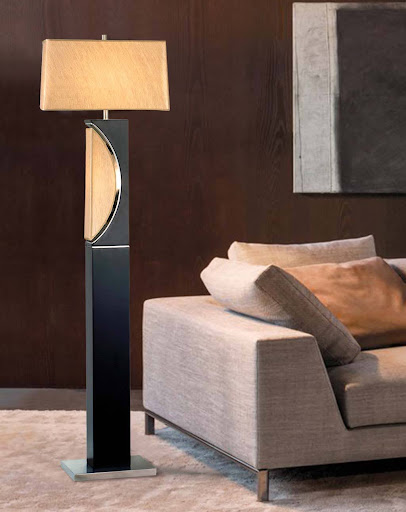
There is a growing appetite for lamp bases that function as sculptural objects. Curved, biomorphic ceramic forms, stacked stone bases, and hand-thrown pottery-inspired shapes are all seeing strong commercial traction. These pieces work even when the lamp is off because the base carries enough visual interest to justify its presence in the room.
Natural Material Shades
Pleated linen, hand-woven grass cloth, raffia, and banana leaf shades continue to grow in popularity as homeowners move toward organic interior palettes. These materials diffuse light softly and add textural contrast in rooms that might otherwise feel too smooth or sleek.
Warm Metals Over Cool
Brushed gold, aged brass, and antique bronze are outperforming chrome and polished nickel in 2026. The overall shift toward warmer interior color palettes, warm whites, terracotta, clay, and earthy greens, has made warm metals the natural hardware and fixture choice. Polished chrome and cool silvers still have a place in contemporary and industrial settings but are no longer the default.
Adjustable and Multi-Position Lamps
Adaptability is a genuine functional trend rather than a marketing talking point. Swing-arm floor lamps, height-adjustable table lamps, and multi-directional arc lamps all let users reconfigure their lighting without buying new pieces. In homes where the living room doubles as a work-from-home space, this flexibility is genuinely valuable.
Integrated Smart Dimming
Smart home integration has matured enough that smart-compatible lamps are now a practical consideration rather than a novelty. Lamps compatible with platforms like Matter, Google Home, and Apple HomeKit allow users to adjust color temperature and brightness via voice or phone. Warm dimming profiles, which shift light gradually warmer as it dims, replicate the natural behavior of incandescent bulbs in a full LED setup.
Quiet Luxury Finishes
The quiet luxury aesthetic, which emphasizes understated quality over obvious branding or elaborate decoration, is influencing lamp design significantly. Expect simple forms executed in premium materials, matte plaster finishes, honed marble bases, and unbleached linen shades. Nothing loud, nothing overly designed. The value is in the material and proportion rather than the ornamentation.
Budget vs Premium: What You Actually Get
The living room lamp market spans a very wide price range, and it is worth being honest about where the money actually goes at different price points.
Entry-Level (Under $80 Per Lamp)
At this price point, you are generally working with resin bases finished to look like ceramic or metal, synthetic shade materials, and hardware that may loosen or corrode within a few years. These lamps can look quite good in photographs and even in the room on arrival, but they often do not age well. The light quality is also frequently compromised because the shade material affects diffusion and cheaper synthetics tend to create hotter, less flattering light.
Mid-Range ($80 to $250 Per Lamp)
This is where quality starts becoming genuinely reliable. At this price range, you begin to find actual ceramic bases, metal construction with proper weighting, and shade materials with a meaningful quality step up. Most purchases in this range from reputable brands will perform well and last several years without issue.
Premium ($250 and Above)
At the premium tier, you are paying for handcrafted or small-batch manufacturing, genuinely differentiated materials, and design that contributes to the room as an object rather than just a light source. A well-chosen premium lamp purchased once is almost always more economical over a ten-year period than replacing a cheap lamp every few years. The design integrity also contributes to home value, particularly in staged or listed properties.
Cost-Per-Year Example
A $65 synthetic resin table lamp replaced every 3 years costs roughly $22 per year. A $195 solid ceramic table lamp lasting 10 or more years costs roughly $19.50 per year, and holds its aesthetic value throughout. The premium lamp is actually the more economical choice measured correctly, and it looks significantly better throughout its lifespan.
Common Mistakes People Make with Living Room Lamps
Even well-intentioned, design-aware homeowners repeat the same handful of mistakes when it comes to living room lighting. Knowing what they are helps you sidestep them entirely.
Relying Solely on Overhead Lighting
Ceiling lights and recessed lighting alone produce flat, overhead-only illumination that removes shadows and depth from a room. It is functional but not atmospheric. Living room lamps are what introduce warmth and dimension. Without them, even a beautifully designed room feels like a showroom floor rather than a home.
Buying Lamps That Are Too Small
Scale errors happen in both directions, but undersized lamps are more common. A small table lamp on a large end table next to a deep sofa looks proportionally incorrect and does not deliver enough light to serve its function. Match lamp height and shade diameter to the scale of the furniture it accompanies.
Ignoring the Shade
The shade is often treated as a secondary decision, but it is actually where the light quality is made or lost. A beautiful base with a cheap, opaque, or wrongly proportioned shade will underperform every time. Invest equal attention in shade selection as you do in the base.
Wrong Color Temperature Bulbs
As covered in the bulb section, cool daylight bulbs in a living room lamp create an atmosphere that feels institutional rather than residential. Always use 2700K to 3000K warm white bulbs in living room lamps. This single change has rescued more living room lighting plans than any fixture upgrade.
Placing Lamps Where They are Convenient, Not Where They Perform
Lamps get placed wherever there is an outlet or surface available. That is understandable but suboptimal. Think about where light is actually needed: above reading material, beside seating where people have conversations, and in dark corners that feel visually hollow. Extension cords and lamp positioning accessories make it possible to place lamps where they work best rather than where they are easiest to plug in.
Mixing Too Many Styles
A mid-century tripod lamp, a glam crystal table lamp, and an industrial cage floor lamp in the same room creates visual noise rather than eclectic character. Mixing styles is absolutely possible and can look beautiful, but it requires a unifying element. A shared material, like brass hardware across all three pieces, or a consistent shade color, gives the eye a thread to follow.
Frequently Asked Questions
How many lamps does a living room actually need?
Most living rooms benefit from a minimum of three light sources beyond overhead lighting. This usually means one floor lamp and two table lamps, or two floor lamps and one table lamp, depending on the room layout and furniture arrangement. Larger rooms may need five or more sources to create adequate layered lighting across multiple zones.
What height should a floor lamp be for a standard living room?
Standard floor lamps range from 58 to 72 inches in total height, including the shade. Arc lamps run taller, typically 72 to 84 inches, because the arc itself adds functional height. For rooms with standard 8-foot ceilings, lamps in the 60 to 72-inch range create a balanced vertical proportion without feeling like they are competing with the ceiling.
Should table lamps on either side of a sofa match exactly?
Matching lamps create symmetry and a sense of order, which works well in formal or transitional living rooms. Coordinated but non-identical lamps, same shade color but different bases for example, create a more relaxed, curated look. Completely mismatched lamps can work in eclectic or maximalist spaces but require careful styling of the surrounding elements to avoid looking accidental.
What is the best bulb for living room lamps?
LED bulbs with a color temperature of 2700K to 3000K, a CRI of 90 or above, and an output of 450 to 800 lumens per lamp are the standard recommendation for living rooms. Look for dimmable bulbs if your lamps have or will have dimmer switches. Brands that specialize in high-CRI LED technology generally outperform generic retailer-brand bulbs significantly.
Can living room lamps increase home value?
Indirectly, yes. Real estate staging consistently shows that well-lit rooms photograph better, feel larger, and sell faster. Buyers make emotional decisions, and the atmosphere created by quality living room lighting contributes meaningfully to first impressions. Premium, design-intentional lamps also signal care and quality throughout the home.
Are smart lamps worth buying for a living room?
Smart lamps add genuine value for people who want to adjust lighting without physically moving to a switch, who work from home and want different lighting profiles throughout the day, or who have invested in a smart home ecosystem. For simpler lifestyles, a good quality lamp with a standard dimmer switch performs most of the same functions without the setup complexity or potential compatibility issues.
What shade size is right for a table lamp?
A general rule is that the shade diameter should be roughly equal to two-thirds of the lamp base height. For a 24-inch base, that suggests a shade in the 14 to 16-inch diameter range. The shade width should also not extend beyond the edge of the furniture surface it sits on. Shade height is typically one-third of the total lamp height.
How do I pick living room lamps if I am not sure of my interior style?
Start with neutral-finish lamps in materials that appear elsewhere in your home. If you have wood furniture, look for lamps with wood or warm metal bases. If your hardware is brushed nickel, coordinate your lamp bases accordingly. A white or natural linen shade is almost universally compatible. Getting the scale right and the bulb temperature correct matters more than finding the perfect style match.
Final Thoughts
Living room lamps are not an afterthought. They are the layer of design that makes everything else in the room perform the way it was intended to. The sofa you spent months choosing, the rug you carefully sourced, the art on the wall, all of it looks better, warmer, and more considered under well-chosen, properly placed lighting. As you think about your 2026 living room, do not start with overhead lighting and stop there. Build a layered plan. Choose lamps that are scaled correctly, match your interior aesthetic, and use bulbs that deliver warm, high-CRI light at a comfortable lumen level. Those decisions will do more for the feel of your room than almost any furniture purchase. For homeowners who want a trusted starting point, NOVA of California offers a range of living room lamps designed specifically for American homes, with the material quality and design thoughtfulness to perform well at every price point in their lineup. Whether you are refreshing one corner or reimagining the entire room, the right living room lamps will make the difference you have been looking for.