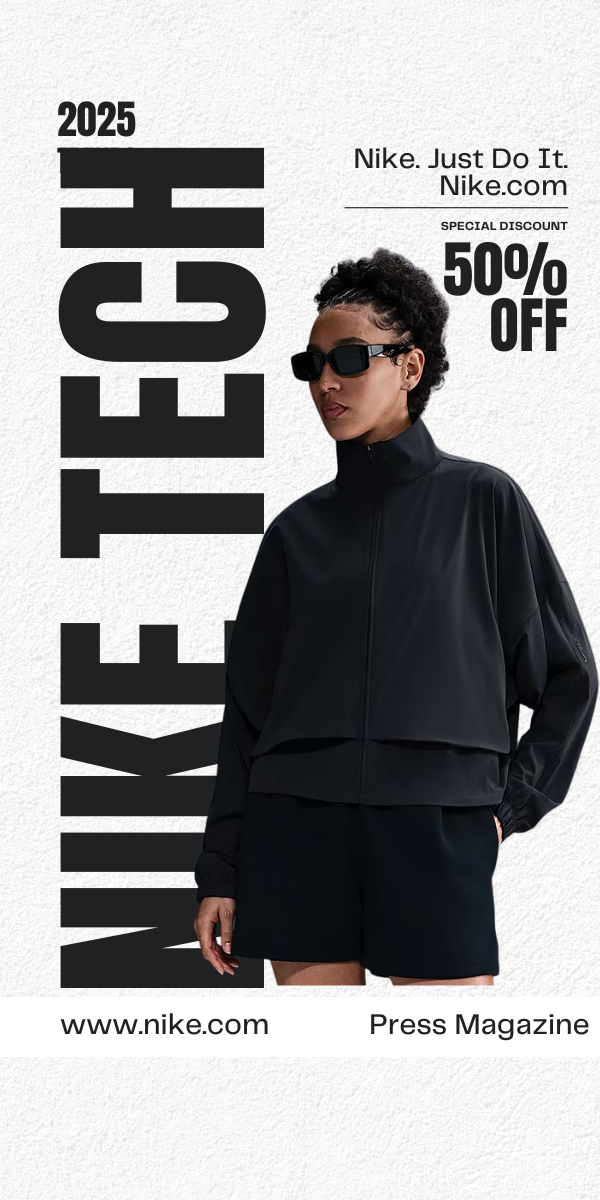
























In the rapidly changing retail landscape, businesses are increasingly pursuing innovative solutions to enhance marketing strategies and improve operational efficiency. Traditional product visualization methods, such as static images and basic 3D models, often fall short of meeting modern expectations. Virtual try-on technology emerges as a transformative tool, enabling wholesalers, retailers, and merchandisers to create dynamic marketing visuals that resonate with buyers. This article explores how virtual try-ons can revolutionize product visualization and deliver substantial business benefits.
Virtual Try-On Technology: A New Paradigm
Virtual try-on (VTO) technology employs augmented reality (AR) and artificial intelligence (AI) to offer an interactive and immersive experience. Unlike conventional methods that rely on simple images, VTO allows businesses to present products realistically, enabling potential buyers to visualize how items will look in various contexts. This technology is particularly advantageous for wholesalers and retailers aiming to enhance their online presence and streamline the purchasing process.
Key Features of Virtual Try-On
- Real-Time Visualization: VTO overlays digital representations of products onto live images or videos, allowing users to see how items fit and look in real-time.
- Cost Reduction: By minimizing the need for physical samples and elaborate photo shoots, businesses can significantly reduce marketing expenses while maintaining high-quality visuals.
- Scalability: VTO solutions easily adapt to various product lines, simplifying the process of updating marketing materials based on inventory changes or seasonal trends.
Comparative Advantages Over Traditional Visualization Methods
Enhanced Engagement and Interaction
Virtual try-on technology transforms passive viewing into an engaging experience. By allowing users to interact with products virtually, businesses can capture attention more effectively than traditional methods. This increased engagement enhances brand visibility and fosters a deeper connection with potential buyers.
Reduction in Return Rates
High return rates due to poor fit or style mismatches pose a significant challenge for retailers. Research indicates that up to 70% of returns stem from these issues. Virtual try-on technology mitigates this problem by providing accurate representations of products, enabling buyers to make informed decisions before completing a purchase. This capability is crucial for wholesalers and retailers looking to improve their bottom line by reducing return-related costs.
Valuable Data Insights
Implementing virtual try-on technology allows businesses to gather critical data on user interactions and preferences. Analyzing how users engage with virtual products provides insights into market trends and consumer behavior. This data-driven approach enables more informed inventory decisions and targeted marketing strategies, ultimately enhancing overall business performance.
The Competitive Edge of Virtual Try-On Technology
Increased Conversion Rates
Businesses adopting virtual try-on technology can expect a significant boost in conversion rates. Studies show that products featuring AR content experience conversion rates up to 94% higher than those without it. This increase can be attributed to the enhanced shopping experience provided by VTO, instilling confidence in buyers as they visualize products before making a purchase.
Sustainability and Cost Efficiency
Virtual try-on technology contributes to a more sustainable business model by reducing the need for physical inventory and minimizing waste associated with traditional retail practices. As sustainability becomes increasingly important in the retail sector, adopting VTO solutions positions businesses as forward-thinking leaders committed to responsible practices.
Global Reach and Accessibility
VTO technology eliminates geographical barriers, allowing businesses to reach a wider audience without the constraints of physical retail locations. This inclusivity ensures that potential buyers from various regions can access products anytime, enhancing overall market reach.
Conclusion
The transition from traditional product visualization methods to virtual try-on technology represents a significant leap forward for wholesalers, retailers, and merchandisers. By embracing this innovative tool, businesses can create compelling marketing visuals that resonate with buyers while addressing critical challenges such as high return rates and engagement deficits. As the retail landscape continues to evolve, integrating virtual try-on technology will be essential for maintaining competitiveness and meeting the demands of an increasingly digital marketplace. The future of product visualization lies in immersive experiences that showcase products while driving operational efficiency and sales growth.