
























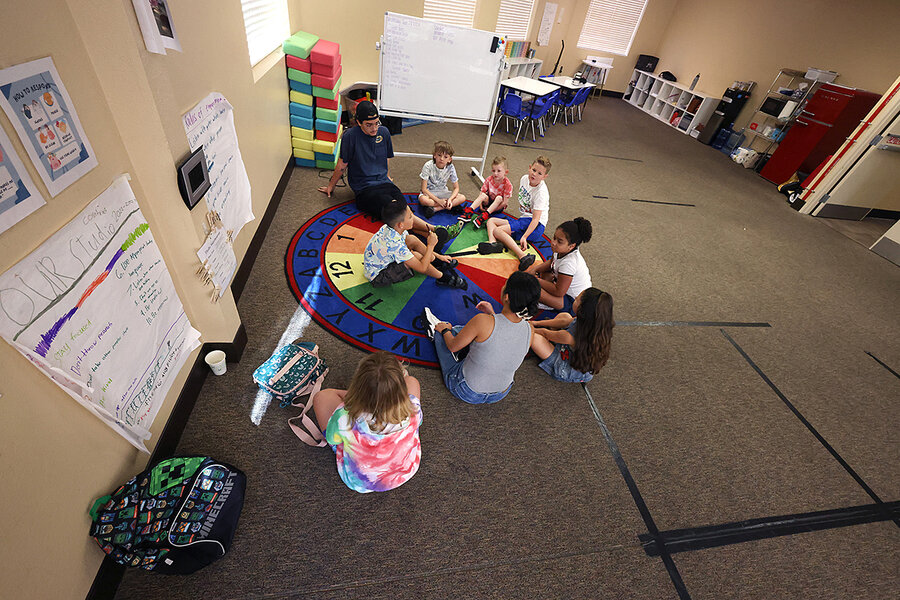
As educational options continue to expand, more parents are exploring alternatives to traditional schooling. One of the emerging options gaining popularity is the microschool. With a personalized approach to learning and smaller class sizes, microschools offer unique opportunities for students to thrive. But is a microschool the right choice for your child’s education? In this post, we’ll explore what microschools are, their benefits, and how to determine if they are the best fit for your child’s needs.
What is a Microschool?
A microschool is a small, independent educational setting that typically serves a limited number of students, often between 5 and 20. Microschools combine aspects of homeschooling, private schooling, and innovative education models to create personalized learning experiences. Unlike traditional schools, which often follow a fixed curriculum for large groups of students, microschools focus on tailored educational approaches that meet the specific needs of each child.
At a microschool, students typically work in a more flexible, intimate environment. The curriculum is often project-based, hands-on, and adapted to each student’s interests and strengths. Teachers act more as guides, fostering an environment where students have more control over their learning process. Despite these benefits, it is suggested to parents that they know more about such recent developments on their own, so that they can make highly informed decisions for their children.
The Benefits of Microschools
1. Personalized Learning
In traditional schools, students are often required to follow a set curriculum that may not suit their learning style. At microschools, the focus is on personalized education. Teachers have the ability to work closely with each student, tailoring lessons to their individual needs, pace, and interests. This personalized approach helps students grasp concepts more easily and develop a deeper understanding of subjects.
For example, a child who struggles with reading may receive extra support and be given the time they need to understand the material, while a student who excels in math can move ahead at their own pace. The flexibility offered by microschools creates an ideal environment for all kinds of learners.
2. Small Class Sizes
Microschools typically have smaller class sizes compared to traditional schools. This allows for more one-on-one attention from teachers and enables students to engage in more meaningful interactions. In smaller classes, children are more likely to get the attention they need, whether they are excelling or facing challenges. Teachers can identify and address issues early on, and students are less likely to fall through the cracks.
Additionally, small class sizes foster stronger relationships between students and teachers. With fewer students to manage, teachers can create a supportive and nurturing learning environment where students feel safe and valued.
3. Flexible Learning Environment
One of the main draws of microschools is their flexibility. Traditional schools are bound by rigid schedules, classrooms, and curriculums. Microschools, on the other hand, allow for a more dynamic learning experience. Some microschools adopt a hybrid learning model, blending in-person instruction with online learning. Others may offer project-based learning or experiential education, where students can learn by doing rather than through traditional lectures.
This flexibility also extends to the schedule. Some microschools offer flexible hours, allowing families to customize learning times around their unique needs. This is particularly useful for families who travel often or have other commitments that require a more adaptable schedule.
4. Fostering Creativity and Critical Thinking
In a traditional classroom, students may be required to follow a rigid curriculum that leaves little room for creative exploration. Microschools, however, often incorporate project-based learning, allowing students to explore topics in-depth and develop critical thinking skills. Through hands-on projects and real-world applications, students have the chance to engage in creative problem-solving and learn in a more interactive way.
For example, a student might work on a science project that requires research, collaboration, and practical application, giving them a deeper understanding of the subject while developing valuable life skills such as communication and teamwork.
Is a Microschool Right for Your Child?
Choosing the right educational path for your child is a deeply personal decision, and one that should be based on your child’s individual needs, learning style, and personality. Here are some factors to consider when deciding if a microschool is the right fit for your child.
1. Does Your Child Thrive in a Small, Close-Knit Environment?
If your child struggles in a large, impersonal classroom, they may benefit from the small, supportive environment offered by a microschool. The close-knit nature of microschools allows for more meaningful connections between students and teachers, which can lead to a more positive and engaging learning experience.
Microschools are often ideal for children who may not thrive in a traditional school setting, whether due to social anxiety, learning difficulties, or simply a need for more attention from their teachers. In a microschool, your child will have the opportunity to build strong relationships and receive the support they need.
2. Is Your Child an Independent Learner?
Since microschools emphasize personalized learning and often provide more autonomy, they are best suited for children who are capable of working independently and taking responsibility for their learning. If your child enjoys exploring topics on their own, taking initiative, and working at their own pace, a microschool could be a great fit.
That said, many microschools also provide a strong support system for students who need guidance, so even children who might need a little extra help with self-management can still thrive in this environment.
3. Does Your Child Have Specific Educational Needs?
If your child has unique learning needs—whether that be a gifted child who needs to move at a faster pace, or a child with learning differences who requires more individualized instruction—a microschool can offer the flexibility to meet those needs. Teachers in microschools are often more adept at creating tailored lesson plans, ensuring that each student is working in a way that best suits their abilities.
Additionally, if your child has an interest in a specific subject or field, such as the arts or technology, many microschools offer specialized programs that allow them to delve deeper into these areas.
4. Does Your Family Value Flexibility in Education?
If your family’s lifestyle requires more flexibility in scheduling and learning locations, a microschool may be the perfect fit. With their customizable schedules, some microschools allow families to arrange schooling times around travel, extracurricular activities, or other commitments. This flexibility can be a significant advantage for families who seek a balance between education and other aspects of their lives.
How to Know More About Microschools Near You
If you’re considering a microschool for your child, it’s essential to do your research and learn more about the options available in your area. Start by visiting local microschools, talking to administrators, and observing the teaching style and learning environment. Many microschools offer open houses or trial days, which can provide you with a firsthand look at how the school operates.
Additionally, it’s helpful to connect with other parents who have experience with microschools. They can share insights and offer valuable perspectives on the benefits and challenges of this type of education. You may also want to inquire about the school’s curriculum, extracurricular activities, and how they support children’s emotional and social development.
Conclusion
Microschools offer a unique and flexible approach to education, focusing on personalized learning in a small, supportive environment. While this model is not for every child, it can be a great fit for students who thrive in close-knit communities, require individualized attention, or need a more flexible educational experience.
If you’re considering whether a microschool is the right choice for your child, take the time to explore the available options, visit schools, and talk to other parents. With the right fit, a microschool can provide an enriching, creative, and engaging educational experience for your child that prepares them for success in both academics and life.