





















Introduction: The Rise of Machine Translation and Its Limitations
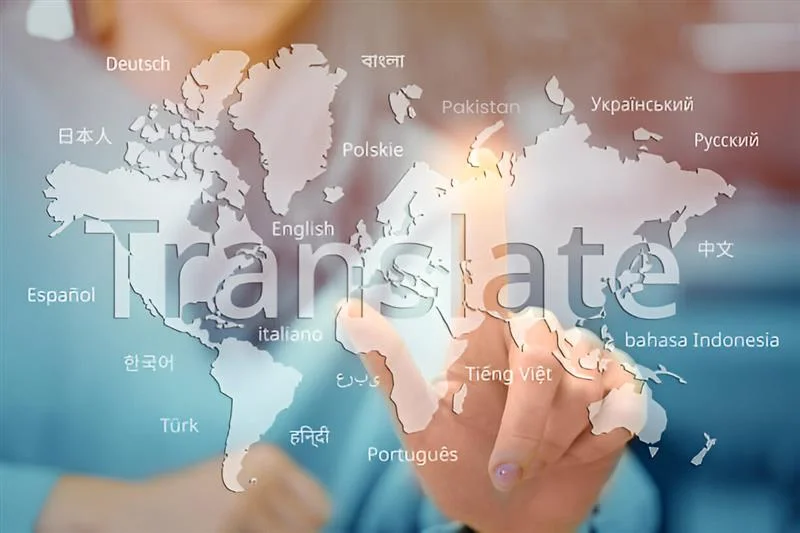
Machine translation techniques have become commonplace in today’s hyperconnected world, when boundaries are blurred and communication may traverse continents in a matter of seconds. Consider DeepL, Google Translate, or even the built-in functions on our smartphones; these are the quick-fix wizards that, with a single tap, transform unfamiliar text into something readable. Neural networks that comprehend languages at breakneck speed and developments in artificial intelligence have contributed to their explosive rise. This means fast gratification for casual users, who can order meals overseas, communicate with friends who live abroad, or quickly scan foreign news stories. There is no denying the convenience, the free availability, and the often unexpected effectiveness for basic needs.
These techniques work well for simple translations but falter when subtlety comes into play. Growing concerns about cultural sensitivity and correctness are more than just scholarly discussions; they are practical problems that can lead to miscommunication, missed commercial opportunities, or even reputational harm. Imagine a product description that turns off potential buyers, or a sincere message that comes across as insulting. Machine translation is rapid and satisfying, but lacks complexity. In our increasingly globalized world, this divide is what maintains professional translation not only relevant but crucial.
The Importance of Cultural Nuance and Context in Translation
Translation is a complex dance of meaning, intent, and cultural resonance rather than just changing words from one language to another. With years of experience in both language and culture, professional translation services are adept at conveying these nuances. They are aware that comedy, analogies, and idioms don’t translate well between languages. For example, the English expression “kick the bucket” refers to dying, yet a literal translation into Spanish could lead readers to imagine someone punting a pail. To maintain the idiomatic meaning while making sure it lands naturally, a skilled translator would modify it to something like “estirar la pata” (stretch the leg).
However, machine translation frequently ignores the human context that gives words their actual weight, treating language like a mathematical formula. Algorithms may be excellent at grammar and vocabulary, but they struggle with cultural quirks. Sometimes AI systems ignore regional sensitivities when localizing websites for global audiences, such as failing to use gender-neutral terminology in progressive markets or to respect taboos in conservative ones. This can undermine trust and be careless. In terms of creativity, translation is similar to painting a portrait: humans contribute the emotional brushstrokes that give it life, while robots provide the outline. Communications feel flat and cut off from the rich tapestry of world cultures without this human touch.
Accuracy in Legal, Medical, and Technical Translations
Professional translation is essential in industries where accuracy is crucial, given the high stakes. For instance, legal documents must be flawlessly accurate; a single misspelled word in a contract could render a clause void or lead to expensive conflicts. Medical translations are even more critical; consider a prescription label that has been incorrectly translated, resulting in missed allergies or improper dosing. Here, lives are at stake, and mistakes are not just embarrassing but also possibly deadly.
Technical translations also require a thorough understanding of industry-specific contexts and terminology. Professional translation services ensure that the vocabulary used in software manuals, engineering specifications, and patent filings is consistent, something that machines frequently fail to do. AI may confuse the term “bit” in computing with its common usage, leading to unclear instructions. The dangers? Safety risks, product malfunctions, or intellectual property leaks. In an increasingly automated world, these specialized fields serve as a reminder that precision is essential to dependability and that experts are the architects who create it.
The Role of Professional Translation in Brand Voice and Marketing
To engage with a variety of audiences, brands are more than just logos and slogans; they are people who must speak genuinely in all languages. In order to maintain this “brand voice,” the distinct tone, style, and emotional appeal that characterizes a business, a professional translation service online is essential. We don’t only translate when localizing marketing materials; we also transcreate, modifying the content to elicit the same emotions in a different cultural setting. A professional might add comedy tailored to regional sensibilities for a quirky, young business, such as a tech firm, to ensure the message doesn’t fall flat.
Despite its speed, machine translation frequently eliminates this vitality, resulting in generic output that weakens brand identification. Campaigns that fail to account for regional idioms, festivals, or social norms may lead to lower participation.
The Hybrid Approach: Combining AI and Human Expertise
When you can have both speed and soul, why choose one over the other? By combining machine translation with human post-editing, the hybrid translation solutions overcome this gap by utilizing both AI’s efficiency and expertise. In reality, a rough draft is produced using techniques such as neural machine translation, which specialists subsequently edit for accuracy, fluency, and cultural appropriateness. This is development rather than a compromise, enabling a quicker turnaround on high volumes without sacrificing quality.
This approach works well when revising product descriptions in bulk is common, such as in website localization for e-commerce behemoths. Or in video subtitling, where humans adjust pacing and slang while AI does the majority of the work. Hybrid models can reduce expenses by 30–50% while maintaining high standards, particularly for non-essential materials such as user forums. Sensitive materials still require complete human monitoring, so it’s not a one-size-fits-all solution.
Case Studies: Real-World Examples of Translation Challenges
Errors in the real world highlight why machines are insufficient on their own. Consider the well-known instance of HSBC’s 2009 “Assume Nothing” campaign, which was misinterpreted as “Do Nothing” in several countries, ruining their rebranding initiatives and requiring millions of dollars in adjustments. Or the medical incident where a patient was instructed to “stop breathing” rather than “stop smoking” by AI-translated discharge papers from a German hospital. This near-disastrous blunder was discovered just in time. These mistakes demonstrate how machines ignore context, producing amusing (or horrifying) results.
Compare this to achievements led by experts. To preserve suspense without confusing viewers, human translators modified Korean cultural allusions, such as the game’s lethal turns, when Netflix localized “Squid Game” for international audiences. This helped the game become viral. These cases are not aberrations; instead, they demonstrate how human intuition transforms obstacles into victories, encouraging creativity and trust, whereas machines falter in the face of uncertainty.
Conclusion: The Future of Translation – A Blend of Technology and Human Touch
Professional translation services remain essential as we navigate an increasingly multilingual digital environment, advancing alongside technology rather than being overtaken by it. We’ve looked at how humans provide the empathy and knowledge necessary for genuine conversation, while machines provide speed but struggle with nuance, context, and accuracy. The human factor is the indispensable glue in our international discussions, from preserving legal integrity to elevating brand voices.
In the future, harmonious combinations of AI speeding up procedures and experts improving results will be the key. This is about wisely accepting change rather than opposing it. We see a future in which technology allows us to concentrate on creativity, resulting in translations that are not just precise but also artistic. In the end, the human touch is what turns words into bridges that unite hearts and minds across boundaries in the pursuit of accuracy.