












Weight loss is a challenging journey for many, often requiring a combination of proper diet, exercise, and, in some cases, medical intervention. For those struggling with obesity or overweight-related health issues, prescription medications can offer much-needed support. One such class of medications that has gained significant attention is GLP-1 medications, which are increasingly prescribed for weight loss. While they offer promising results, it’s crucial to understand how to use them safely to maximize benefits and minimize risks. In this article, we’ll explore what GLP-1 medications are, their benefits for weight loss, and important safety considerations for their use.
What Are GLP-1 Medications?
GLP-1 (glucagon-like peptide-1) medications are a class of drugs designed to mimic a natural hormone in the body that helps regulate blood sugar, appetite, and digestion. Originally developed for the treatment of type 2 diabetes, GLP-1 medications have also been found to be effective in promoting weight loss.
These medications work by:
- Increasing insulin secretion when blood sugar levels are high
- Reducing appetite, which helps with portion control
- Slowing gastric emptying, making you feel fuller for longer
- Improving blood sugar control, which is particularly beneficial for individuals with type 2 diabetes
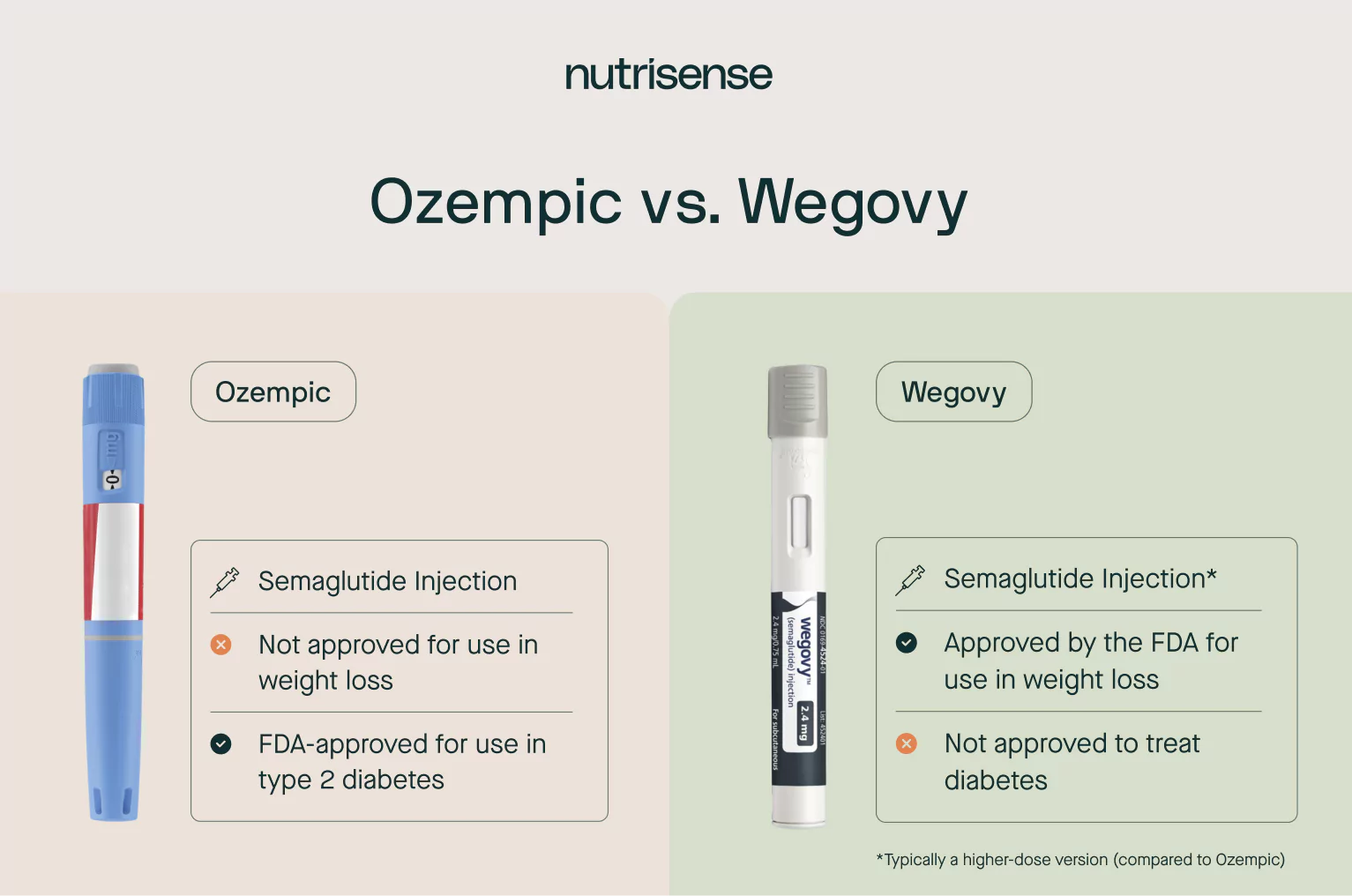
Some well-known GLP-1 medications include semaglutide (Wegovy, Ozempic) and liraglutide (Saxenda), which are now FDA-approved for weight management in addition to diabetes treatment.
How GLP-1 Medications Aid in Weight Loss
GLP-1 medications offer multiple mechanisms that contribute to weight loss, making them a valuable tool for individuals who have not been successful with diet and exercise alone. Here’s how these medications support weight loss:
1. Appetite Suppression
- GLP-1 medications work by affecting the areas of the brain that regulate hunger and satiety.
- By reducing appetite, these medications help individuals eat less, making it easier to stick to a calorie-controlled diet.
2. Increased Fullness and Reduced Cravings
- These medications slow gastric emptying, which means food stays in the stomach longer, leading to a feeling of fullness.
- This prolonged fullness can help reduce the frequency and intensity of food cravings.
3. Improved Blood Sugar Control
- GLP-1 medications help regulate blood sugar by promoting insulin secretion when blood glucose levels are elevated.
- Stable blood sugar levels can reduce sugar cravings and prevent overeating, which often results from blood sugar crashes.
4. Potential Long-Term Weight Maintenance
- Studies have shown that GLP-1 medications can not only help individuals lose weight but also maintain that weight loss over time.
- The ability to maintain weight loss is crucial for individuals who have struggled with yo-yo dieting and long-term obesity.
Safety Considerations When Using GLP-1 Medications for Weight Loss
Although GLP-1 medications can be highly effective for weight loss, they must be used with caution and under the supervision of a healthcare professional. Misuse or improper administration can lead to unwanted side effects or complications. Below are key safety considerations to keep in mind when using GLP-1 medications for weight loss:
1. Start Slowly and Follow Medical Guidance
- GLP-1 medications should be introduced gradually to allow your body to adjust.
- Your healthcare provider will typically start you on a low dose, which will be gradually increased based on your tolerance and progress.
- Never self-adjust the dose without consulting your doctor.
2. Monitor for Side Effects
- Like any medication, GLP-1 drugs can cause side effects. The most common side effects include nausea, vomiting, diarrhea, and constipation.
- In rare cases, more serious side effects like pancreatitis (inflammation of the pancreas) or thyroid tumors may occur.
- It’s important to monitor for these symptoms and report them to your healthcare provider immediately.
3. Consider Pre-existing Conditions
- GLP-1 medications may not be suitable for individuals with a history of certain medical conditions, including:
- Pancreatitis
- Thyroid cancer
- Gastrointestinal issues (e.g., gastroparesis)
- It’s essential to have a thorough health evaluation before starting these medications to ensure they are safe for you.
4. Hydrate and Maintain a Healthy Diet
- GLP-1 medications can cause dehydration, especially when nausea or vomiting occurs. Be sure to drink plenty of fluids and eat a balanced diet to avoid complications.
- It’s also essential to incorporate healthy eating habits and physical activity to maximize the effectiveness of GLP-1 therapy.
5. Be Aware of the Risk of Hypoglycemia
- While GLP-1 medications are not as likely to cause low blood sugar (hypoglycemia) as other diabetes medications, they can still contribute to it when used with other insulin-sensitizing drugs.
- If you have diabetes or take other medications to control blood sugar, make sure to monitor your blood sugar levels regularly.
6. Potential for Weight Regain After Discontinuation
- While GLP-1 medications can help you lose weight, the weight may return once you stop taking them.
- It’s essential to combine medication with sustainable lifestyle changes, such as healthy eating habits and regular exercise, to ensure long-term success.
Benefits of Prescription Weight Loss Medications Like GLP-1
Prescription weight loss medications, including GLP-1 therapies, provide valuable support for individuals struggling with obesity or overweight-related health conditions. Here are some of the key benefits of prescription weight loss medications:
- Effective Support for Long-Term Weight Loss: Prescription medications can help individuals achieve and maintain significant weight loss, especially when other methods have failed.
- Improved Health Markers: Successful weight loss can lead to improved blood pressure, cholesterol levels, and reduced risk for conditions like heart disease, diabetes, and sleep apnea.
- Increased Motivation: As weight loss progresses, individuals may feel more motivated to continue making healthy choices, resulting in more sustainable long-term weight management.
- Improved Quality of Life: Beyond physical health, successful weight loss can boost self-esteem, reduce stress on the body, and improve overall mental well-being.
Conclusion
GLP-1 medications have emerged as a promising tool in the fight against obesity and excess weight, offering significant benefits for weight loss. However, like any prescription medication, they should be used cautiously and under the guidance of a healthcare provider to ensure safety and effectiveness. By following medical advice, monitoring for side effects, and combining medication with healthy lifestyle changes, individuals can maximize the potential benefits of prescription weight loss therapies and achieve long-term success.
For more information about weight loss options and to see if GLP-1 medications are right for you, visit myamphealth today.