Imagine waiting on your latest Shein haul or Temu deal, tracking your parcel every day, only to find out it’s… not coming. That’s exactly the panic many online shoppers felt when news broke that the USPS suspended parcels from China and Hong Kong in early February 2025. It hit like a plot twist no one asked for.
But what really happened? Why did USPS make that decision, only to reverse it within 24 hours? And more importantly, what does this mean for your favorite budget-friendly platforms like Shein and Temu?
Let’s break it down.
Comprehensive Overview Table
| Aspect | Details |
|---|---|
| Event | USPS temporarily suspended acceptance of inbound parcels from China and Hong Kong. |
| Date of Suspension | February 4, 2025. |
| Date of Reversal | February 5, 2025. |
| Reason for Suspension | Implementation of new tariffs and the end of the “de minimis” exemption, requiring USPS to establish a tariff collection mechanism. |
| “De Minimis” Exemption | Previously allowed goods under $800 to enter the U.S. duty-free; its removal led to the suspension. |
| Impact on Shein and Temu | Both companies relied heavily on the “de minimis” exemption; its removal increased their operational costs. |
| Tariff Details | New tariffs include a 10% levy on Chinese goods and the removal of duty-free status for low-value packages. |
| Consumer Impact | Potential increase in prices and shipping delays for products ordered from Shein and Temu. |
| USPS’s Response | Reversed the suspension within a day, stating collaboration with Customs and Border Protection to implement tariff collection. |
| Current Status | USPS continues to accept parcels from China and Hong Kong, with new tariff measures in place. |
| Long-Term Implications | E-commerce platforms may adjust pricing strategies; consumers might seek alternative shopping options. |
What Happened with USPS and Packages from China?
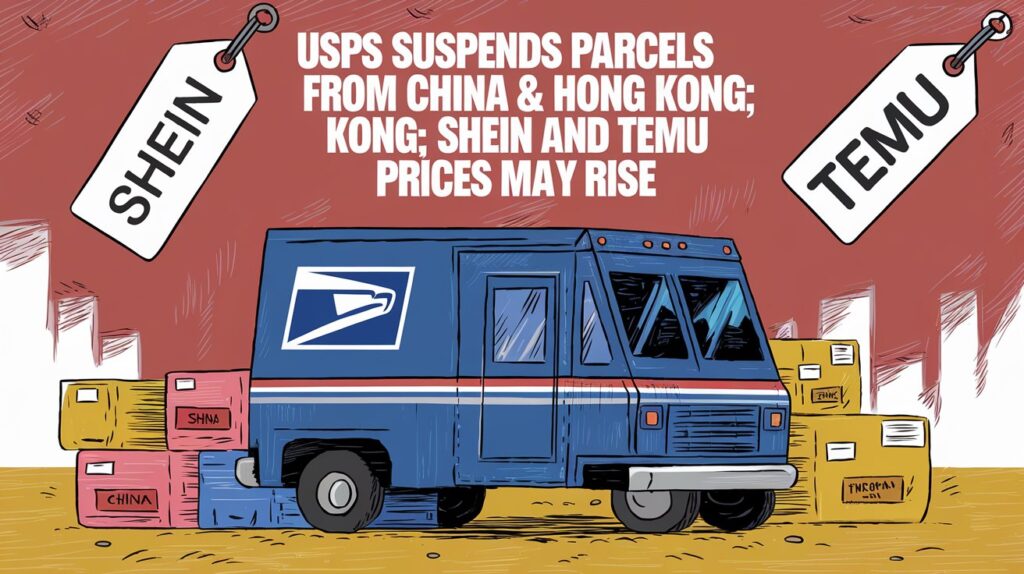
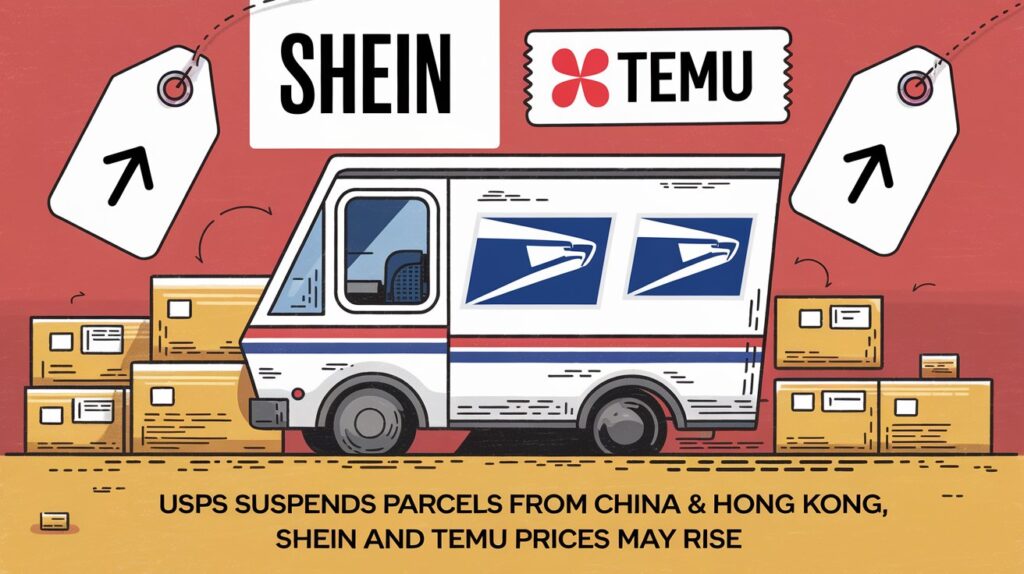
On February 5, 2025, the U.S. Postal Service dropped a bombshell: it would temporarily stop accepting parcels from China and Hong Kong. That move immediately sparked confusion, concern, and chaos, especially among fans of ultra-affordable online retailers.
According to 11Alive, the suspension was tied to a deeper, politically charged shift in U.S. trade policy — one that could reshape the very foundation of e-commerce as we know it.
Within 24 hours, USPS reversed the suspension, saying it would continue accepting inbound mail from China and Hong Kong while working closely with U.S. Customs and Border Protection (CBP) to implement the latest rules. But even with that reversal, the message was clear: big changes are coming.

Why Did USPS Halt Packages in the First Place?
The root of this drama goes beyond shipping logistics. It’s about trade tensions, tariff enforcement, and the “de minimis” rule — a customs exemption that’s quietly enabled the rise of platforms like Shein and Temu.
Here’s the scoop:
- For years, the “de minimis” exemption allowed packages under $800 to enter the U.S. without duties or taxes.
- Nearly half of those packages were from China, according to customs data.
- In a policy shake-up linked to the Trump administration’s push to reduce Chinese imports, the U.S. ended the exemption and slapped a 10% tariff on Chinese goods.
- USPS briefly paused parcel acceptance to figure out how to handle the new tax collection process — then resumed after coordinating with CBP.
So while packages are technically moving again, the rules have changed.
How Shein and Temu Built Their Empires — and Why They’re Vulnerable Now
If you’ve ever wondered how Shein can sell dresses for $7 or why Temu seems to offer literally everything for next to nothing, a big part of the answer lies in the de minimis loophole.
By keeping most orders under $800, these retailers avoided hefty import fees. That gave them an edge in offering ultra-low prices with free (or very cheap) shipping. But now, that advantage is slipping.
In 2023 alone, China exported $66 billion worth of low-value packages, up from just $5.3 billion in 2018.
Shein and Temu capitalized on this growth, snatching up about 17% of the U.S. discount market for fashion, gadgets, and household goods. But with new tariffs in play, those deals might not be as sweet for consumers.
Will Prices on Shein and Temu Go Up?
Short answer? Probably.
Even though USPS is still delivering packages from China and Hong Kong, the underlying cost of doing business has changed. Retailers must now either:
- Absorb the 10% tariff, which cuts into their profit margins.
- Pass the cost to consumers, resulting in price hikes.
- Change their shipping strategy, like warehousing more products in the U.S. (which has its own costs).
Temu and Shein haven’t publicly confirmed price increases yet, but industry experts told AP News that shoppers should prepare for higher costs and possible delays as these companies adjust to new regulations.
So, if you’ve noticed that your $3 sunglasses now cost $4.50 — you’re not imagining it.
Will Shipping Be Slower?
Potentially, yes.
While USPS resumed service quickly, increased customs inspections and new paperwork could lead to longer processing times. Also, Shein and Temu may explore alternative carriers or fulfillment methods to avoid logistical headaches.
Some users on Reddit’s r/China subreddit reported recent delays and more detailed customs declarations on packages. These kinds of changes suggest that smooth sailing is no longer guaranteed.
What Does This Mean for Online Shoppers?
If you rely on Shein and Temu for budget buys, this shift might feel like a betrayal. But here’s what you can do:
1. Expect Price Fluctuations
Check your cart totals — they may creep up. What used to be free shipping might now come with a small fee.
2. Shop Early
If you’re buying gifts or seasonal items, order well in advance. Shipping might take longer as new rules slow down the process.
3. Watch for U.S.-Based Options
Both Shein and Temu are investing in U.S. warehouses to minimize customs exposure. You may start seeing more “fast ship” options from domestic stock.
4. Look for New Sales Tactics
To stay competitive, platforms might offer bulk discounts, app-exclusive deals, or loyalty points — so take advantage.
Behind the Headlines: A Bigger Shift in E-Commerce
This isn’t just a USPS story. It’s part of a broader trend where global e-commerce is hitting a wall of regulation and national interest.
The U.S. is reevaluating how it handles foreign imports. And that includes:
- Stricter enforcement of tariffs
- Tightening customs laws
- Scrutiny of platforms leveraging loopholes
The goal? Level the playing field for U.S.-based businesses. But it might also mean the end of the rock-bottom prices that made Shein and Temu famous.
What’s Next for Shein and Temu?
These e-commerce giants are too big — and too scrappy — to vanish overnight. Expect them to:
- Shift more operations to U.S. soil
- Negotiate bulk shipping deals with private carriers like FedEx, UPS, or DHL
- Raise prices slightly but focus on customer retention through rewards and branding
Already, social media is buzzing with jokes like “Shein? More like Sheout!”, a nod to viral reactions making light of the changes.
But underneath the humor is a real question: Can fast fashion survive in a world where “cheap and fast” is no longer that simple?
Final Thoughts: What Should Shoppers Do?
If you’re a regular Shein or Temu shopper, this is the moment to stay informed, shop smart, and adapt. These platforms aren’t going away — but their golden era of loophole-powered pricing may be fading.
The USPS China parcel suspension was brief, but it pulled back the curtain on a rapidly evolving landscape where politics, logistics, and e-commerce are deeply entangled.
So next time you snag a $5 hoodie or a $2 kitchen gadget, remember: it’s not just a deal — it’s a glimpse into the complex dance of global trade.
TL;DR:
- USPS suspended packages from China/Hong Kong briefly in February 2025 due to new tariffs and customs rules.
- The halt was reversed, but Shein and Temu still face rising costs and regulatory challenges.
- Consumers may see higher prices, slower shipping, and evolving delivery strategies.
Stay tuned — because the world of online shopping just got a whole lot more complicated.
Would you like tips on how to find alternatives to Shein and Temu that won’t break the bank?