























You’re sipping your morning coffee when an email pops up: “Unusual sign-in activity detected on your Microsoft account.”
The sender? account-security-noreply@accountprotection.microsoft.com.
Your heart skips a beat.
Is this a genuine alert or a cunning phishing attempt?
Biography Table: Full Breakdown
| Category | Details |
|---|---|
| Full Keyword | account-security-noreply@accountprotection.microsoft.com |
| Email Type | No-reply, system-generated security alert |
| Used By | Microsoft Corporation |
| Purpose | Sends account protection alerts, login verification codes, unusual sign-in notifications |
| Legitimacy | Legitimate — It is officially used by Microsoft (but can be spoofed in phishing attempts) |
| Common Alerts Sent | – Unusual sign-in activity |
- Password reset codes
- Two-step verification
- Security setting changes |
| User Action Required? | Often yes — If the alert is unexpected, check account activity and change your password immediately |
| Spoofing Risk? | High — Hackers often mimic this email for phishing purposes |
| Safety Tip | Never click links in suspicious emails. Instead, go directly to https://account.microsoft.com manually. |
| Security Measures Suggested | – Enable two-factor authentication (2FA) - Monitor account activity
- Use strong, unique passwords |
| Common Red Flags | – Poor grammar - Generic greeting
- Unfamiliar links
- Urgent tone urging immediate action |
| What To Do If Unsure | Forward the email to reportphishing@microsoft.com and visit your Microsoft account directly |
First Things First: Is This Email Address Legitimate?
Yes, account-security-noreply@accountprotection.microsoft.com is a legitimate Microsoft email address. Microsoft uses it to send security-related notifications, such as sign-in alerts and verification codes.
However, it’s crucial to remain vigilant. Cybercriminals can spoof email addresses, making fraudulent messages appear authentic.
So, how can you tell if the email is genuinely from Microsoft?
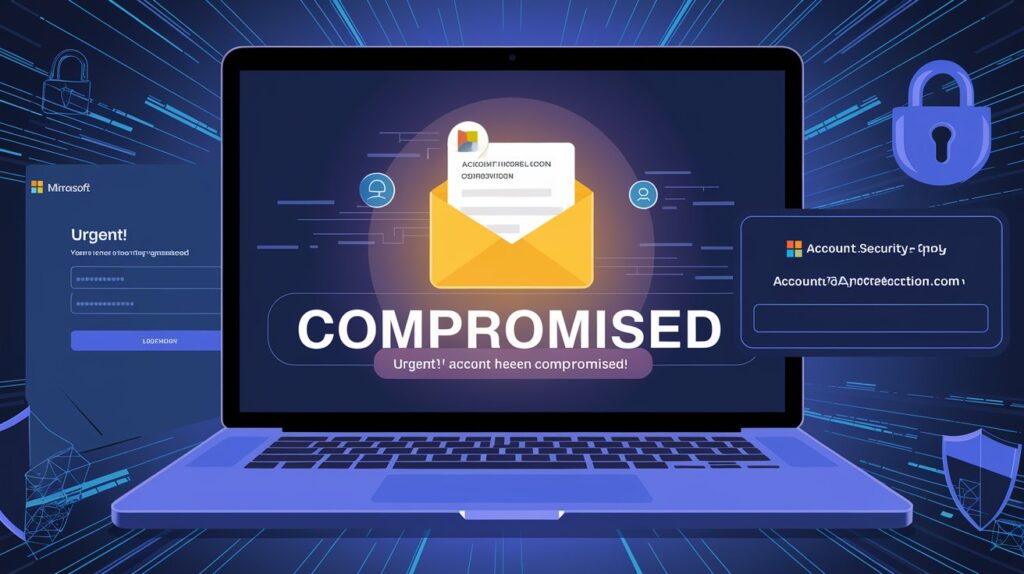
How to Verify the Authenticity of the Email
- Check the Sender’s Email Address: Ensure the email is from account-security-noreply@accountprotection.microsoft.com.
- Inspect the Email Headers: View the full email headers to confirm the message originated from Microsoft’s servers.
- Avoid Clicking on Links: Instead of clicking on links within the email, manually navigate to Microsoft’s official website to check your account activity.
- Look for Personalization: Legitimate emails from Microsoft often include your name or username.
Still unsure?
Common Scenarios and What They Mean
Scenario 1: You Receive a Verification Code Without Requesting One
This could indicate someone is attempting to access your account. It’s advisable to change your password immediately and enable two-factor authentication (2FA) if you haven’t already.
Scenario 2: The Email References an Unknown Account
Sometimes, you might receive emails about accounts you don’t recognize. This could be due to someone mistakenly entering your email as their recovery option. In such cases, do not click any links. Instead, report the email to Microsoft and monitor your account for any suspicious activity.
Scenario 3: Multiple Login Attempts from Unfamiliar Locations
If you notice several login attempts from countries you’ve never been to, it’s a red flag. Immediately secure your account by changing your password and reviewing your recent activity. Enabling 2FA adds an extra layer of protection.
Steps to Secure Your Microsoft Account
- Change Your Password: Use a strong, unique password that you haven’t used elsewhere.
- Enable Two-Factor Authentication (2FA): This adds an extra layer of security by requiring a second form of verification.
- Review Recent Activity: Regularly check your account’s recent activity to spot any unauthorized access.
- Update Recovery Information: Ensure your recovery email and phone number are up-to-date.
- Be Cautious with Emails: Always verify the sender and avoid clicking on suspicious links.
Real-Life Experiences from Users
Many users have shared their experiences regarding emails from account-security-noreply@accountprotection.microsoft.com. Some reported receiving multiple emails in a short span, causing concern. Others noticed login attempts from unfamiliar locations. These instances highlight the importance of staying vigilant and taking immediate action when something seems off.
Final Thoughts
While account-security-noreply@accountprotection.microsoft.com is a legitimate Microsoft email address, always exercise caution. Cyber threats are ever-evolving, and it’s essential to stay informed and proactive in protecting your digital assets.
Remember: When in doubt, don’t click. Navigate directly to Microsoft’s official website to verify any claims.
Stay safe and informed!