
























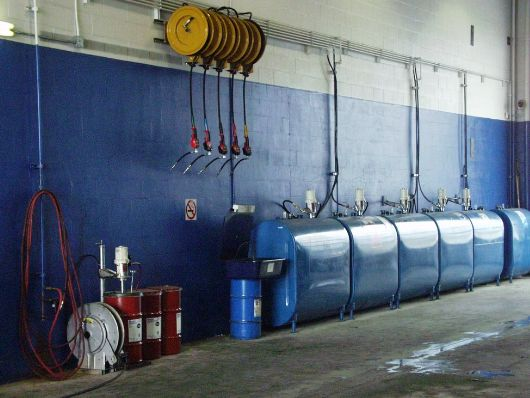
Industrial tanks are vital assets for businesses that rely on oil for heating, production, or operations. Over time, however, these systems accumulate sludge, residue, and corrosion that can compromise safety and performance. Keeping tanks clean and well maintained is critical to extending their lifespan, meeting regulatory standards, and ensuring smooth operations.
Why Oil Tanks Require Extra Care
Unlike water tanks, which primarily deal with sediment or biological growth, oil storage units face unique challenges. Sludge and sticky residues settle at the bottom, reducing capacity and clogging pipelines. These materials also accelerate corrosion, weakening tank walls and creating the risk of leaks.
This is why industrial oil tank cleaning must be carried out by trained professionals using the right equipment. Specialized methods are required to remove buildup effectively without damaging the system.
Safety Risks of Neglected Systems
Unmaintained tanks present serious risks. Even small leaks can contaminate soil and groundwater, leading to expensive cleanup efforts and potential legal penalties. Thick residue inside tanks can also increase fire hazards or cause equipment malfunctions, putting both workers and operations at risk.
Regular cleaning prevents these issues, protecting property, employees, and the environment.
Professional Cleaning Techniques
Cleaning methods vary depending on tank size, location, and usage. Professionals may use:
- Mechanical removal to vacuum or scrape out sludge.
- High-pressure washing to clear tank walls and surfaces.
- Chemical solutions for dissolving stubborn buildup.
- Post-cleaning inspections to identify leaks, corrosion, or structural concerns.
These steps ensure that tanks are restored to safe, efficient operating condition.
Boosting Efficiency and Performance
Residue buildup forces pumps, burners, and filtration systems to work harder. This increases energy use, accelerates wear, and raises costs. Clean tanks allow oil to flow smoothly, improving efficiency and reducing strain on connected equipment.
The result is fewer breakdowns, lower energy bills, and longer-lasting machinery.
Supporting Compliance
Oil storage facilities are subject to strict safety and environmental regulations. Companies that neglect their tanks risk fines, liability, and reputational harm. Professional cleaning ensures tanks meet regulatory standards and that waste materials are disposed of safely and responsibly.
This proactive approach helps businesses avoid penalties while demonstrating environmental responsibility.
Extending Equipment Life
Replacing industrial tanks is costly. Cleaning removes corrosive materials before they can cause lasting damage, extending the system’s lifespan and reducing the likelihood of emergency repairs.
By treating maintenance as an investment rather than an expense, businesses save money over the long term.
Why Professional Help Is Essential
Oil tank cleaning is a complex job that requires specialized training. Tanks are confined spaces, and working with hazardous materials introduces significant risks. Professional crews are equipped with the proper tools, certifications, and safety procedures to handle the work efficiently and responsibly.
Their expertise also helps identify potential problems early, preventing future failures.
Establishing a Maintenance Plan
The frequency of cleaning depends on tank usage, size, and environment. For many facilities, annual or bi-annual cleaning paired with regular inspections is the best way to prevent buildup and maintain reliability.
Developing a structured maintenance plan with professionals ensures tanks remain safe and effective year after year.
Long-Term Value
For any business that depends on oil storage systems, proactive maintenance is essential. Clean, well-kept tanks improve efficiency, reduce risks, and ensure compliance. More importantly, they provide peace of mind that operations will continue without costly interruptions.