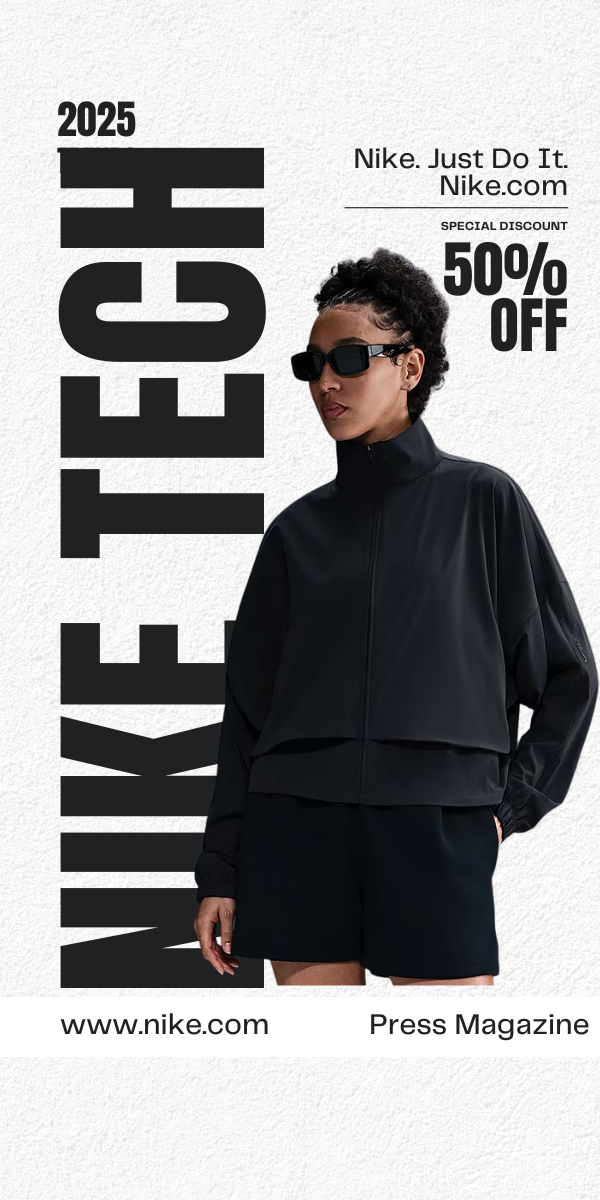
























Table of Contents
1. Introduction to Brochures and Booklets
2. The Importance of Storytelling in Marketing
3. Designing an Engaging Brochure
4. Crafting Compelling Content
5. Choosing the Right Format and Size
6. Printing Techniques and Considerations
7. Distribution Strategies for Maximum Impact
8. Measuring Success and ROI
9. Case Study: Successful Brochure Campaigns
10. Future Trends in Brochure and Booklet Marketing
Introduction to Brochures and Booklets
Brochures and booklets are powerful tools in the arsenal of any marketer looking to communicate effectively with their audience. These printed materials allow brands to tell their stories in a tangible form, making a lasting impression on potential customers. Unlike digital marketing methods, brochures offer a tactile experience that can engage multiple senses, thereby creating a more memorable interaction.
The evolution of brochures from simple informational leaflets to sophisticated storytelling tools has been significant. Companies like HelloPrint have revolutionized the printing process, offering high-quality solutions that cater to the specific needs of businesses, ensuring that each brochure not only informs but also captivates.
The Importance of Storytelling in Marketing
Storytelling is at the heart of effective marketing communication. It transforms mundane information into engaging narratives that resonate with audiences on an emotional level. In brochures and booklets, storytelling can be used to build brand identity, convey complex ideas simply, and establish a connection with the reader.
A well-crafted story can differentiate a brand in a crowded market by highlighting its unique values and mission. For instance, using customer testimonials or case studies within a brochure can provide authenticity, making the message more relatable and trustworthy.
Designing an Engaging Brochure
Design is a critical component of a brochure’s effectiveness. An engaging design not only attracts attention but also facilitates easy understanding of the content. Here are some key aspects to consider:
1. Visual Hierarchy: Use headings, subheadings, and contrasting colors to guide the reader’s eye through the content.
2. Imagery: High-quality images can convey messages quickly and evoke emotions that words alone cannot.
3. Typography: Choose fonts that are readable and reflect the brand’s personality.
4. Color Scheme: Colors should align with brand identity while also appealing to the target audience.
Incorporating these elements thoughtfully ensures that your brochure communicates effectively from first glance to final impression.
Crafting Compelling Content
The content within your brochure or booklet plays a crucial role in its success. It should be clear, concise, and compelling, focusing on delivering value to the reader. Here are some tips for crafting effective brochure content:
1. Know Your Audience: Tailor your message to address the specific needs and interests of your target demographic.
2. Highlight Benefits Over Features: Focus on what makes your product or service beneficial to the consumer rather than just its features.
3. Call-to-Action (CTA): Encourage readers to take action, whether it’s visiting a website, contacting for more information, or making a purchase.
HelloPrint offers templates that can help guide content development, ensuring that each element serves a purpose in telling your brand’s story.
Choosing the Right Format and Size
Selecting the appropriate format and size for your brochure is essential for maximizing its impact. Different formats serve different purposes; for example:
1. Tri-Fold Brochure: Ideal for concise messaging with distinct sections.
2. Z-Fold Brochure: Offers versatility with multiple panels for detailed information.
3. Booklet: Suitable for comprehensive content such as catalogs or company profiles.
Considerations should also include where and how the brochure will be distributed, as this can influence both format choice and size constraints.
Printing Techniques and Considerations
The quality of printing is paramount in creating an impressive brochure or booklet. Modern printing techniques offer various options such as digital printing for smaller runs or offset printing for larger quantities, each with its benefits.
1. Paper Quality: High-quality paper enhances perception; thicker stock often suggests premium value.
2. Finishing Options: Glossy finishes can make colors pop, while matte finishes provide a sophisticated look.
3. Eco-Friendly Options: Sustainable materials appeal to environmentally conscious consumers without compromising quality.
HelloPrint provides advanced printing solutions ensuring that every detail aligns with your vision while maintaining eco-friendly standards where possible.
Distribution Strategies for Maximum Impact
Effective distribution strategies ensure that your brochures reach their intended audience efficiently:
1. Direct Mail: Targeted mailing lists allow you to reach potential customers directly.
2. Point-of-Sale Display: Placing brochures at points of sale captures attention when consumers are already engaged with purchasing decisions.
3. Event Handouts: Trade shows or community events offer opportunities for direct interactions supplemented by printed materials.
Strategic partnerships with distributors or using services like those offered by HelloPrint can streamline logistics and broaden reach.
Measuring Success and ROI
Understanding the success of your brochure campaign involves careful tracking of engagement metrics such as response rates, sales conversions, or inquiries generated:
1. Unique Tracking Codes/URLs: Incorporate these into CTAs for precise tracking.
2. Surveys/Feedback Forms: Collect direct feedback from recipients on their impressions.
3. Sales Data Analysis: Compare sales data pre- and post-distribution periods to gauge impact.
Assessing these metrics helps refine future campaigns based on what resonates most with your audience.
Case Study: Successful Brochure Campaigns
Learning from real-world examples can offer valuable insights into what works best:
A regional tourism board successfully increased visitor numbers by 20% through a visually stunning brochure campaign that highlighted local attractions using vibrant imagery and personal stories from locals—demonstrating how effective storytelling coupled with strategic design can drive results.
Another case involves a tech company that launched a new product line using booklets designed by HelloPrint which featured augmented reality elements; this innovative approach not only captured attention but also enhanced customer engagement beyond traditional print methods.
Future Trends in Brochure and Booklet Marketing
As technology continues to evolve so too do opportunities within print marketing:
1. Interactive Elements: QR codes or AR capabilities add digital interactivity without sacrificing physical appeal.
2. Personalization: Variable data printing allows customization on individual copies catering specifically towards recipient preferences.
3. Sustainability Initiatives: Increasing demand drives focus towards eco-friendly practices across production stages enhancing both brand image & consumer trustworthiness.
Staying ahead means adapting swiftly integrating cutting-edge techniques alongside tried-and-true practices ensuring continued relevance amidst changing consumer expectations & technological advancements alike!