












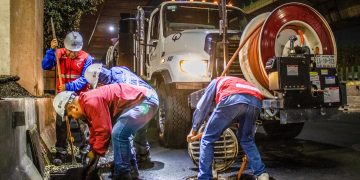











When disaster strikes, whether in the form of floods, hurricanes, wildfires, earthquakes, or tornadoes, the immediate aftermath often leaves behind trails of destruction that affect communities, infrastructure, and the environment. The process of recovery involves far more than rebuilding structures—it includes addressing environmental hazards, restoring ecosystems, and helping people and landscapes return to health. In this article, we explore comprehensive strategies for natural disaster cleanup—why it matters, what the main challenges are, and how various stakeholders can work together, step by step, to restore balance and safety.
Understanding the Importance of Cleanup
Natural disasters leave behind much more than visible damage. Floodwaters can contaminate drinking supplies, storm runoff can erode soil and destroy vegetation, while wildfires produce smoke particulates and leave charred, unstable terrain. The cleanup phase plays a crucial role in:
- Preventing Secondary Risks
Neglecting debris, fallen trees, damaged infrastructure, or chemical spills can lead to injuries, disease outbreaks, or further structural collapse. - Environmental Restoration
Ecosystems, waterways, soil composition, and flora/fauna are often disrupted. Without prompt intervention, invasive species, erosion, and water pollution can become long-term issues. - Community Well-Being
Psychological recovery is tied to visible progress. When people see debris cleared, safe water restored, and homes repaired, they regain hope and resilience. - Economic Recovery
Agriculture, tourism, and commerce all suffer after disasters. Efficient recovery can reduce long-term financial losses and help communities become self-sustaining again.
Key Challenges in Post-Disaster Cleanup
Before solutions are implemented, it’s vital to recognize the environmental, logistical, and social challenges that complicate cleanup efforts.
- Scale and Access
Disasters often impact wide areas, including remote or difficult-to-reach regions. Infrastructure (roads, bridges) may be damaged, making debris removal and supply transport difficult. - Hazardous Materials
Floods and storms can release chemicals, sewage, and sharp debris. Wildfires leave ash, partially burnt materials, and unstable trees. These hazards pose health risks to cleanup crews and residents. - Environmental Sensitivity
Restoration must be done carefully to avoid further harm. For example, heavy machinery can compact soil, affect root systems, or disturb recovering wildlife. - Limited Resources
Funding, manpower, and equipment are often stretched thin, especially when multiple areas are affected simultaneously. Prioritization becomes essential. - Coordination Among Stakeholders
Governments, NGOs, private sector, and volunteers must work together. Miscommunication or overlapping efforts can lead to inefficiencies or neglect.
Phases of Recovery
Effective natural disaster cleanup involves a sequence of coordinated phases. Each phase builds upon the last, and skipping any one can compromise safety and long-term resilience.
| Phase | Objective | Key Actions |
| Emergency Response | Ensure safety, assess damage, prevent further loss | Search & rescue, securing utilities, marking hazards, issuing health advisories |
| Debris Removal & Cleanup | Clear hazards, restore accessibility and sanitation | Clearing fallen trees, removing trash and damaged materials, disposing hazardous waste |
| Environmental Stabilization & Restoration | Prevent erosion, protect water, reestablish vegetation | Soil stabilization, replanting vegetation, restoring wetlands or waterways |
| Infrastructure & Housing Restoration | Repair buildings, roads, and essential services | Rebuilding safe housing, repairing bridges/roads, restoring electricity and water systems |
| Long-Term Resilience Building | Reduce vulnerability to future disasters | Upgrading building codes, implementing flood defenses, community preparedness training |
Strategies for Debris Removal and Waste Management
Debris removal is one of the most labor-intensive and urgent tasks. Below are strategies to make it safer and more efficient:
- Assessment and Prioritization
- Map impacted zones and categorize debris (organic, construction, hazardous).
- Prioritize roads, hospitals, utility lines for immediate attention.
- Use of Proper Equipment and Personal Protective Equipment (PPE)
- Chainsaws, cranes, bulldozers for large debris.
- Gloves, respirators, boots for workers to protect against exposure to mold, chemicals, dust.
- Segregation at Source
- Separate hazardous waste (asbestos, lead paint, chemicals) from non-hazardous.
- Keep organic material separate for possible composting or mulching.
- Separate hazardous waste (asbestos, lead paint, chemicals) from non-hazardous.
- Safe Disposal Practices
- Use licensed waste facilities.
- Follow waste regulations for hazardous materials.
- Treat water runoff and manage sediment to prevent waterway contamination.
- Recycling and Reuse
- Salvage materials where possible—wood, metal, bricks.
- Employ local carpenters or artisans to repurpose debris, reducing waste and helping the economy.
Environmental Restoration and Ecosystem Recovery
After the immediate cleanup, nature still needs support. The environmental restoration phase aims to rebuild ecosystems so that they can regain natural function and provide services for communities.
- Soil Remediation
- Test soil for contaminants such as heavy metals or petroleum.
- Remove or neutralize pollutants. Add organic matter to restore fertility.
- Water Quality Management
- Filter debris and sediments from rivers or streams.
- Test water sources for pathogens and chemical threats.
- Rehabilitate natural floodplains and wetlands that act as buffers.
- Vegetation Replanting
- Use native species adapted to local conditions.
- Avoid monocultures; encourage diversity to withstand future shock.
- Stabilize slopes to prevent landslides with ground covers, trees, shrubs.
- Wildlife Protection and Habitat Restoration
- Rebuild habitats—nesting sites, aquatic habitats.
- Minimize human disturbance to recovering zones.
- Monitor species relocation or loss and encourage natural recolonization.
Community Engagement and Social Dimensions
Cleanup is not just about physical restoration—it’s also about restoring dignity, culture, and psychological stability.
- Volunteer Mobilization and Safety Training
- Recruit local volunteers while ensuring they receive training in safety, hygiene, and hazard recognition.
- Recruit local volunteers while ensuring they receive training in safety, hygiene, and hazard recognition.
- Transparent Communication
- Keep the public informed about what cleanup is being done, expected timelines, and safety measures.
- Address concerns about water safety, waste disposal, and health risks proactively.
- Keep the public informed about what cleanup is being done, expected timelines, and safety measures.
- Support Services
- Trauma counseling, temporary shelter, and healthcare must accompany physical cleanup to help communities heal.
- Trauma counseling, temporary shelter, and healthcare must accompany physical cleanup to help communities heal.
- Local Empowerment
- Involve local leaders in decision-making.
- Support local contractors and suppliers when rebuilding to stimulate the local economy.
Technology and Innovation in Cleanup
Advances in technology can accelerate recovery and make cleanup safer:
- Drones and Satellite Imagery for rapid damage assessment.
- GIS Mapping to track debris volumes, identify hazard hotspots, and plan efficient routes.
- Automated or Robotic Tools for clearing dangerous areas.
- Bioremediation techniques—using microbes or plants to absorb pollutants.
- Early Warning Systems to help manage future disaster risk and plan resilient infrastructure.
Policy, Planning, and Resilience Building
The recurring nature of disasters demands that cleanup is embedded in broader policies, regulations, and planning for resilience.
- Building Codes and Land-Use Planning
Ensure structures are built to withstand hazards. Avoid construction on floodplains or unstable slopes. - Disaster Preparedness Infrastructure
Invest in levees, stormwater systems, green infrastructure that can absorb or redirect floodwaters. - Funding Mechanisms
Establish emergency funds and insurance schemes so cleanup and rebuilding can start quickly. - Legislation for Environmental Protection
Enact laws to enforce safe waste disposal, penalize illegal dumping, and protect forested or sensitive areas.
Case Studies: Learning From Past Cleanup Efforts
Examining past recovery efforts offers insight into what works and what to avoid. While specific disasters differ, certain lessons are universal:
- In several past events, delays in debris removal increased risks of disease and insect infestation.
- Where local communities had been engaged from the start, recovery was faster and more culturally appropriate.
- Restoration of natural buffers (mangroves, wetlands) often saved future costs by reducing flood damage.
- Strict enforcement of environmental standards during cleanup prevented long-term soil and water contamination.
Integrating Natural Disaster Cleanup into Long-Term Sustainability
Cleanup should not be viewed as a finite task but part of ongoing efforts to build sustainable, resilient societies.
- Align cleanup efforts with sustainable development goals.
- Emphasize renewable materials, low-impact construction, and eco-friendly landscaping.
- Promote education and capacity building for disaster risk reduction.
- Encourage insurance, microfinance, and risk-sharing models so that individuals are less vulnerable.
The Role of Coordination and Governance
Multiple actors are involved: government authorities, NGOs, private companies, local community groups, and international organizations. Coordinated governance ensures resources are used efficiently.
- Establish a central coordinating body responsible for overall strategy, data collection, and resource allocation.
- Use interoperable communication systems among agencies.
- Maintain transparent budgets and reporting.
- Encourage collaboration rather than duplication of effort.
Striking a Balance: Speed vs Quality
There is often tension between acting quickly to restore safety and taking the time to do things properly. Cutting corners can lead to long-term costs; delaying too much can compound suffering.
- Use phased approaches: immediate actions for safety, followed by slower, more sustainable restoration.
- Ensure quality control inspections during rebuilding phases.
- Avoid temporary fixes that create dependency or future risks.
What Individuals Can Do
While large-scale cleanup requires institutional involvement, individuals also play a critical role:
- Practice safe waste disposal after disasters—separate hazardous waste, avoid contamination of water sources.
- Volunteer responsibly—donate time where safety is ensured, follow directions.
- Support community-led restoration projects—plant trees, maintain public spaces.
- Advocate for resilient infrastructure and policies in your region.
Spotlight: Key Element in Cleanup Strategy
One of the essential actions after any disaster is to carry out natural disaster Cleanup procedures that go beyond just clearing debris. This involves systematic removal of harmful materials, ensuring water sources are uncontaminated, and restoring green cover to prevent soil erosion and further damage.
Another critical dimension is ensuring that the cleanup process itself does not create new issues. Carrying out natural disaster cleanup without adequate attention to environmental safeguards—for example, dumping debris in waterways—can cause lasting damage. The speed of action, while vital, should be paired with sustainability.
Finally, communities thrive when they are part of recovery. Incorporating local knowledge, local labor, and local resources into natural disaster Cleanup efforts strengthens resilience, ensures relevance, and promotes healing.
Conclusion
Natural disasters are devastating, but the cleanup that follows presents not just a challenge but an opportunity. An opportunity to build safer infrastructures, to restore ecosystems, and to empower communities. A successful cleanup is one that not only clears the visible wreckage but also restores environmental function, supports social recovery, and builds resilience against future disasters.
By blending efficient debris removal, environmental restoration, technological innovation, policy reform, and community engagement, we can ensure that recovery is robust and lasting. Though the path is not easy, with coordinated efforts and a holistic mindset, healing and restoration are possible.