
























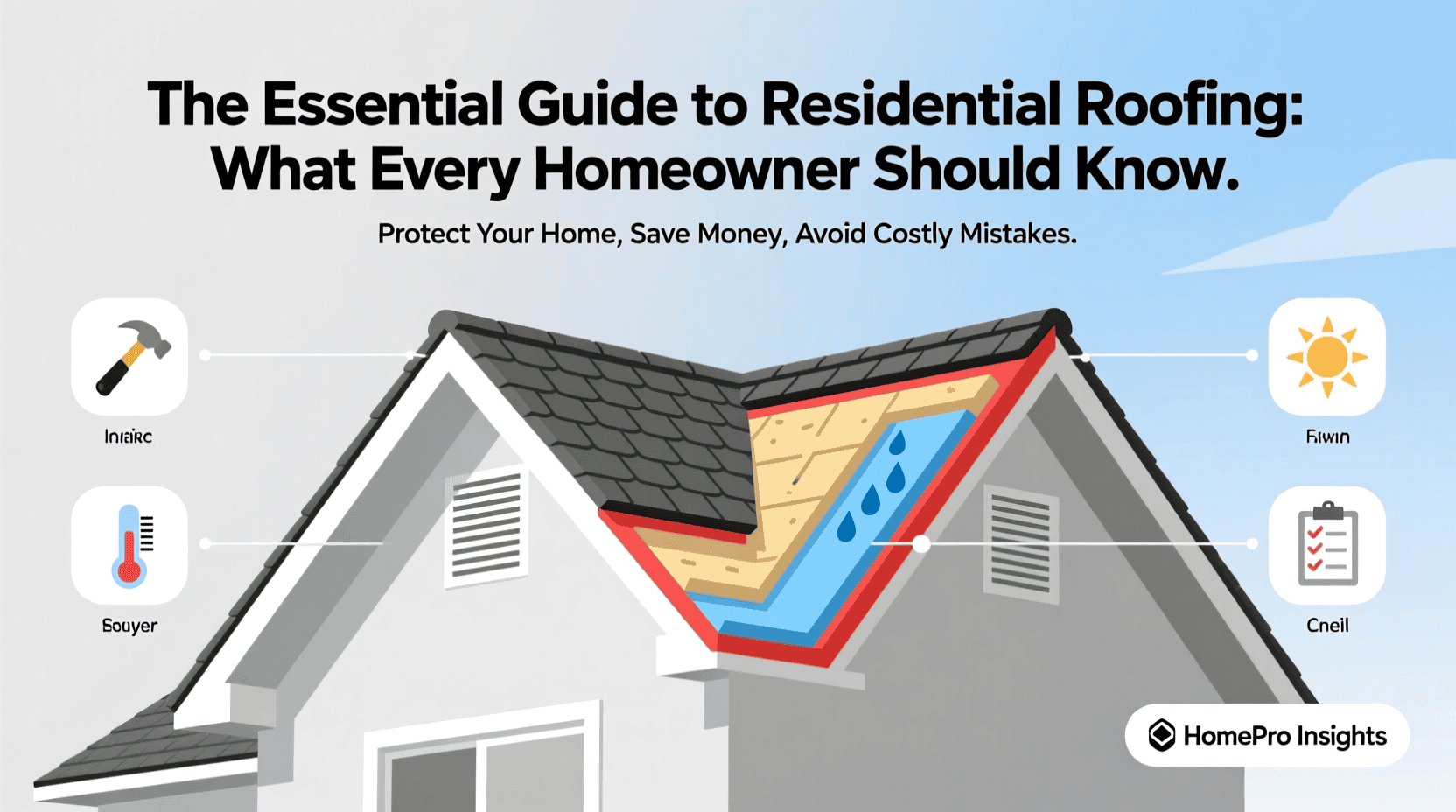
A well-constructed and properly maintained roof is more than just the top of a house—it’s the shield that protects everything beneath it. From keeping out the rain and snow to preserving energy efficiency and enhancing curb appeal, roofs perform many vital functions. This comprehensive guide explores the ins and outs of residential roofing, covering materials, design, installation, maintenance, and signs that it’s time for repair or replacement.
What Is Residential Roofing?
At its core, residential roofing refers to the systems and materials used to cover and protect homes. Unlike industrial or commercial roofing, which often use flat or low-slope designs and/or specific materials optimized for large-scale applications, residential roofs are designed to balance aesthetics, weather protection, durability, energy efficiency, and safety for homeowners.
Key components of any roof structure include:
- Roof Deck: The base layer (often plywood or OSB) to which roofing materials are attached.
- Underlayment: A moisture barrier that protects the deck from leaks, often made of felt or synthetic material.
- Flashing: Metal pieces around chimneys, vents, valleys, and joints that prevent water from seeping in.
- Ventilation: Roof vents, ridge vents, soffits—all help regulate temperature and moisture to prevent mold, rot, ice damming, and premature material failure.
- Covering Material (Shingles, Tiles, Metal): The exterior surface that directly shields against weather.
- Drip Edge, Gutters, Eaves: Parts that channel water off and away from the roof, preventing damage to structure and foundation.
Choosing the Right Roofing Materials
One of the first major decisions in any roofing project revolves around material choice. Each option has strong pros and cons. Selecting the right material depends on budget, aesthetics, expected life span, climate demands, and maintenance willingness.
| Material | Advantages | Disadvantages | Typical Lifespan |
| Asphalt Shingles | Affordable; easy to install; wide color styles and shapes | Less durable under extreme weather; shorter lifespan; may need frequent replacement of damaged shingles | 15–30 years |
| Wood Shingles or Shakes | Natural appearance; good insulation; unique character | Susceptible to fire, rot, pests; high maintenance; more expensive | 25–40 years (with careful upkeep) |
| Metal Roofing | Durable; lightweight; very long life; often recyclable; good in snow & rain | Higher material cost; noise (in some designs) in rain/hail; requires proper insulation and sealing | 40–70 years |
| Clay or Concrete Tiles | Extremely durable; excellent thermal mass; attractive and distinctive style | Heavy (requires strong structure); high cost; fragile under foot traffic or hail; difficult to install | 50–100 years |
| Slate | Gorgeous appearance; very long life; fireproof; low maintenance | One of the most expensive; very heavy; limited contractors experienced with installations | 75–200+ years |
| Synthetic Slate or Composite Materials | Lower cost than natural slate; lighter; more options for design | May not last as long; depending on product quality, some discoloring or brittleness over time | 30–50 years |
In addition to material type, color and finish matter. Light colors reflect sunlight and can help reduce cooling costs; dark colors may absorb heat and can make attics warmer in summer. The slope of the roof also influences material choice—materials like tiles or shingle shakes may not perform well on very low-slope roofs.
Roof Design Considerations
The design of a roof plays a large role in performance, both structurally and in terms of water shedding, energy efficiency and maintenance.
Slope and Pitch
The pitch (steepness) of the roof influences how quickly water and snow will run off. High-pitched designs shed water rapidly but may be more expensive and harder to walk on. Low-sloped or flat roofs may require specialized materials and more frequent maintenance to prevent pooling and leaks.
Ventilation and Insulation
Proper airflow beneath the roofing materials helps prevent moisture buildup, which can lead to mold, rotting wood, and compromised insulation. Attic ventilation (both intake and exhaust) and sufficient insulation beneath roofing layers are critical for maintaining a healthy, durable roof structure.
Structural Support
Heavy roofing materials (tiles, slate, thick concrete) demand strong underlying structure—roof trusses, rafters, sheathing—which must be engineered to carry not only dead load (the weight of the materials themselves) but also live loads (like snow, wind) and dynamic loads (labor during maintenance). Failure to account for load capacity may lead to sagging or structural damage.
Aesthetic Integration
While function is essential, homeowners also care about how a roof contributes to the home’s appearance. Roofing materials should match architectural style, color schemes, and overall design. Features like dormers, skylights, valleys, and overhangs add complexity but also visual appeal when done well.
Installation Process
A proper installation is just as important as selecting the right materials. Even the highest-quality roofing material will perform poorly if installed incorrectly.
- Pre-Installation Inspection
Assess attic structure, decking condition, roof ventilation, chimney and flashing, existing fasteners, and safety hazards. Any damaged deck boards or rotten framing should be replaced before the roofing materials are placed. - Adjustments & Preparation
Install underlayment, install drip edge at eaves and rakes, adjust flashing around all penetrations, ensure proper ventilation setup. These details prevent future leaks and failures. - Laying Out Roofing Material
For example, with shingles or tiles, align them properly; stagger joints to avoid straight seams that collect water. Nail or fasten according to manufacturer recommendations and local building codes. - Flashing and Sealing
All roof penetrations—vents, skylights, chimneys—must be carefully flashed and sealed. Valleys and ridges often need special pieces or techniques to ensure water can’t find a way in. - Final Features and Cleanup
Install ridge vents, cap shingles or tiles, clean the job site, remove leftover nails and debris. Proper disposal of old material is both an environmental and safety concern.
Maintenance and Care
Regular maintenance extends the lifespan of your roof and helps avoid costly repairs.
- Inspections: At least twice a year (spring and fall), and after major storms. Check for missing, loose, or damaged shingles or tiles; inspect flashing and gutters.
- Cleaning Debris: Leaves, branches, moss or algae growth can trap moisture and degrade roofing materials or cause rot.
- Gutter Maintenance: Clean gutters to allow water to flow freely. Clogged gutters can back up and cause water damage to eaves and underlayment.
- Sealant and Flashing: Check and reseal flashing and sealants around chimneys, vents, skylights—these are common weak points.
- Prompt Repairs: Don’t delay addressing leaks or damaged material. What might seem small can quickly worsen into structural damage or interior issues.
Signs It’s Time for Repair or Replacement
Knowing when to repair rather than replace is essential. Many homeowners delay action until the problem has become severe. Here are some indicators:
- Visible Water Damage or Stains Inside House: Brown spots, peeling paint, or sagging ceilings.
- Roof Surface Issues: Curling, cracking, or missing shingles or tiles; granule loss in asphalt shingles.
- Roof Decking Sagging: An uneven or bouncy roof indicates structural issues.
- Moss, Algae, Fungus Growth: Especially if widespread; may degrade roofing materials.
- Higher Energy Bills: Poor insulation, ventilation leaks heat or cool air causing HVAC systems to work overtime.
- Age of Roof: Many materials have a limited useful life—if nearing expected lifespan and multiple issues are emerging, a full replacement may be more cost-effective than repeated patching.
Cost Factors and Budgeting
Budgeting accurately helps avoid unexpected costs. Key cost components include:
- Material Costs: As discussed earlier, materials range widely in price.
- Labor Costs: Skilled roofers charge based on complexity, steepness, material, and labor hours. Difficult roof shapes, multiple intersecting rooflines, or rooftops with many penetrations cost more.
- Permits and Building Codes: Local regulations may require specific materials, slope, fire-resistance, insulation R‑values, etc. Permit fees and inspections cost time and money.
- Removal and Disposal: Tear‑off of existing roof layers and safe disposal or recycling can add to cost.
- Warranty Options: Manufacturer warranties plus workmanship warranties add value and protection.
Environmental and Energy Efficiency Considerations
Modern roofing systems aren’t just about keeping weather out—they also can help reduce energy usage and environmental impact.
- Reflective or Cool Roofs: Lighter-colored surfaces or special coatings reflect solar heat, reducing cooling costs.
- Insulation Value: Good roofing adds to the overall thermal envelope of the home.
- Sustainable Materials: Recycled content, recyclable materials, or sustainably harvested wood reduce environmental footprint.
- Solar Integration: Roofs designed to support photovoltaic panels should be planned from the start—consider orientation, load‑bearing capacity, and compatibility.
Common Roofing Mistakes to Avoid
Sometimes issues arise not due to materials but because of avoidable mistakes. Here are errors to watch out for:
- Underestimating Weather Conditions: Failing to account for snow load, wind uplift, or rainfall intensity can lead to premature failure.
- Ignoring Ventilation: Without proper airflow, moisture build‑up leads to rot, mold, and heat damage inside attic spaces.
- Poor Flashing or Sealant Work: These are the most common sources of leaks.
- Cutting Corners on Underside Compone nts: Skimping on underlayment, deck repair, or drip edges may save money now but cost far more later.
- Improper Slope or Design for Material: Using a material not suitable for roof pitch or shape can lead to water pooling or material failure.
How to Plan a Roofing Project
Here are steps to plan and execute a successful roofing project:
- Assess Needs: Determine whether repairs suffice or full replacement is necessary. Evaluate materials, existing issues, budget.
- Get Multiple Quotes: Compare contractors not just on price, but on experience, material options, labor guarantees, warranties.
- Check References and Credentials: Licensing, insurance, past work photos or client references are important.
- Schedule Wisely: Weather impacts roofing; plan for dry periods; ensure work won’t conflict with other seasonal home maintenance.
- Review Contract Carefully: Include material specifications, start and completion dates, warranty details, cleanup responsibilities.
- Prepare Home: Ensure proper access, protect landscaping, indoor furnishings, and ensure safety around electrical lines.
The Long-Term Value of Quality Roofing
Investing in a high-quality roofing system yields dividends over time:
- Protection of Home Investment: Prevents damage to interior, structure, appliances, and avoids costly repairs.
- Energy Savings: Proper insulation, reflective surfaces, reduced air leakage reduce heating and cooling costs.
- Increased Property Value: A solid, well‑maintained roof enhances curb appeal and resale value.
- Peace of Mind: Reduced risk of leaks, mold, or structural decay means fewer surprises.
Conclusion
Every homeowner should understand the fundamentals of residential roofing—from the choice of materials and design to installation, maintenance, and when to repair or replace. Taking a proactive approach ensures that your roof serves its primary purpose: protecting your home and everything inside it. Whether you’re building new, replacing an aging roof, or simply maintaining what you have, the time invested in research, planning, and care pays off in durability, safety, efficiency, and value.
\




