












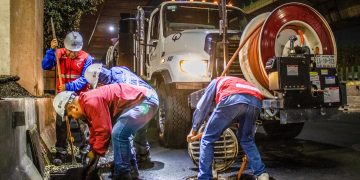











Severe storms can cause devastating damage to homes, businesses, and communities. Whether it’s hail, wind, flooding, or fallen trees, the aftermath of a storm requires quick and effective restoration to minimize further damage and restore safety. Understanding the storm restoration process and hiring the right professionals can make all the difference in recovery.
In this comprehensive guide, we will walk you through everything you need to know about storm restoration—from assessing damage and working with insurance to choosing qualified contractors and preventing future issues.
What Is Storm Restoration?
Storm restoration refers to the specialized process of repairing and rebuilding property damaged by severe weather events such as hurricanes, tornadoes, hailstorms, windstorms, flooding, or ice storms. The goal is to return the structure to a safe, functional, and aesthetically pleasing condition.
Unlike general repairs, storm restoration often requires prompt action to prevent further deterioration, mold growth, or structural issues. It may involve a combination of emergency services, debris removal, structural repairs, and sometimes full-scale reconstruction.
Common Types of Storm Damage
Understanding the types of damage storms can cause helps homeowners and business owners recognize the need for restoration and communicate effectively with contractors and insurance companies. Common damages include:
1. Roof Damage
High winds and hail can rip off shingles, damage flashing, create leaks, or puncture the roof entirely. A compromised roof exposes your property to water damage and mold.
2. Water and Flood Damage
Heavy rains and flooding often accompany storms, causing water to infiltrate basements, walls, and flooring. This leads to structural weakening, mold, and ruined belongings.
3. Siding and Window Damage
Strong winds and flying debris can crack or shatter windows and damage siding panels. Broken windows also increase risk of water intrusion and security issues.
4. Tree and Debris Damage
Fallen trees or branches can cause physical damage to roofs, vehicles, fences, and outdoor equipment.
5. Electrical and HVAC Damage
Storms can knock out power, damage wiring, or impair heating and cooling systems, creating safety hazards and discomfort.
The Storm Restoration Process: Step-by-Step
Restoring your property after a storm involves multiple stages, often with coordination between you, your insurance company, and professional contractors. Here’s what you can expect:
Step 1: Initial Damage Assessment
After ensuring safety, conduct a thorough assessment of all visible damage. Take photographs and document everything for insurance claims.
Step 2: Contact Your Insurance Provider
Report the damage promptly to your insurance company. They will typically send an adjuster to evaluate the damage and approve necessary repairs.
Step 3: Hire Licensed Storm Restoration Professionals
Select a contractor experienced in storm restoration who can handle everything from emergency board-up services to full repairs.
Step 4: Emergency Services
If your property is unsafe, emergency services like tarping roofs, boarding up windows, or removing hazardous debris will be prioritized to prevent further damage.
Step 5: Water Extraction and Drying
If flooding or leaks are present, prompt water removal and drying are critical to avoid mold and structural decay.
Step 6: Structural Repairs
This stage includes fixing or replacing damaged roofing, siding, windows, drywall, flooring, and more.
Step 7: Final Inspections and Cleanup
Once repairs are completed, a thorough inspection ensures everything is safe and up to code. The property is cleaned, debris removed, and landscaping restored if needed.
Why Professional Storm Restoration Matters
Storm damage can be complex and dangerous. Attempting DIY repairs or hiring unqualified contractors can lead to incomplete repairs, code violations, or even worse damage down the line.
Professional restoration specialists:
- Understand local building codes and insurance requirements
- Use industrial-grade equipment and materials
- Perform thorough water mitigation to prevent mold
- Ensure all repairs meet safety and quality standards
- Help you navigate insurance claims and documentation
Hiring a reputable company gives peace of mind and protects your investment.
How to Choose the Right Storm Restoration Company
Selecting the right contractor is critical for a successful restoration. Here are some tips:
1. Verify Licensing and Insurance
Make sure the company is fully licensed and insured to work in your area. This protects you from liability and ensures they meet industry standards.
2. Experience and References
Choose a contractor with proven experience in storm restoration. Ask for references or read reviews from past clients.
3. Comprehensive Services
Look for companies offering full-service restoration including emergency board-up, water mitigation, structural repairs, and final cleanup.
4. Transparent Pricing and Written Estimates
Avoid contractors who provide vague or verbal quotes. Get detailed written estimates with clear timelines and payment terms.
5. Communication and Professionalism
Pick a company that communicates clearly, answers your questions promptly, and provides a detailed restoration plan.
Insurance and Storm Restoration: What You Need to Know
Navigating insurance claims can be stressful after a storm. Here’s how to make the process smoother:
- Document Everything: Take detailed photos and notes of all damage.
- Review Your Policy: Understand what is covered, including deductibles and exclusions.
- File Promptly: Report damage to your insurer as soon as possible.
- Get Multiple Estimates: This helps validate the cost of repairs.
- Work With Your Contractor: Many storm restoration companies will liaise with insurance companies on your behalf.
- Keep Records: Save all correspondence, contracts, and receipts.
Preventative Measures to Reduce Storm Damage
While you cannot control the weather, you can take steps to protect your property from future storm damage:
- Regularly inspect and maintain your roof, gutters, and siding.
- Trim trees and remove dead branches near your property.
- Install impact-resistant windows and doors.
- Secure outdoor furniture and equipment during storms.
- Elevate electrical panels or appliances in flood-prone areas.
- Consider installing sump pumps or French drains to reduce flooding risk.
When to Call for Storm Restoration Help
If your property has experienced any of the following after a storm, call professional restoration services immediately:
- Visible structural damage to roof, walls, or foundation
- Flooding inside the home or business
- Broken or missing windows and doors
- Fallen trees or large debris causing damage
- Signs of water leaks, mold, or mildew
- Power outages caused by electrical damage
Quick action can save you money and prevent health hazards.
Conclusion: Restore and Rebuild with Confidence After Storm Damage
Storm damage is overwhelming but manageable with the right knowledge and professional help. Understanding the Storm Restoration in Rockland County, NY process and working with trusted contractors ensures your property is repaired safely, efficiently, and to a high standard.
Don’t delay if your home or business has been impacted by severe weather. Contact certified storm restoration experts promptly to protect your investment, restore your property’s value, and return your space to comfort and safety.