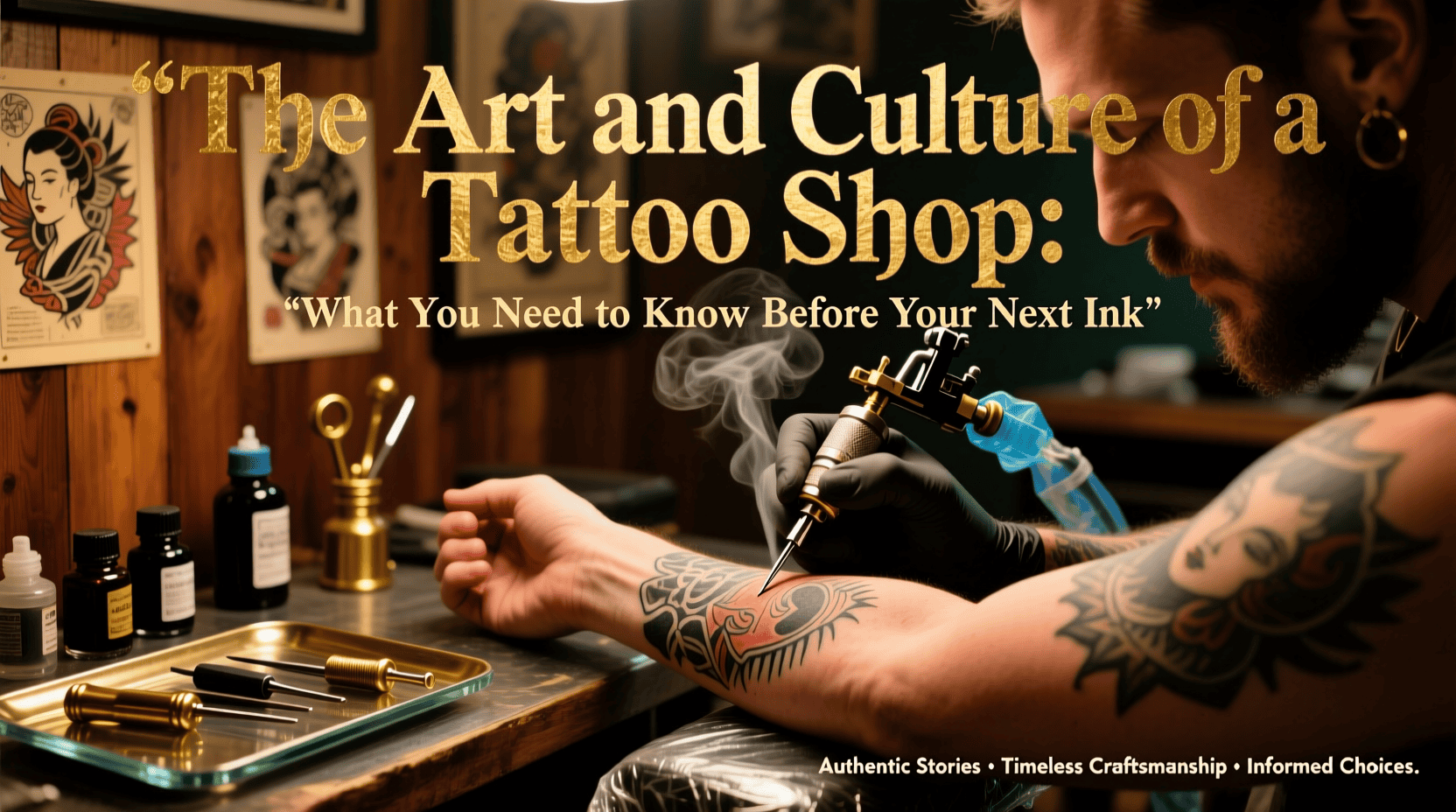
A tattoo shop is much more than just a place where ink meets skin. It’s a vibrant hub of artistry, personal expression, and cultural significance. Whether you’re a first-timer considering your first piece or a seasoned collector looking for your next masterpiece, understanding what a tattoo shop offers and how to choose one can transform your tattoo experience.
In this comprehensive guide, we’ll explore the world of tattoo shops—from their history and culture to the services they offer, hygiene practices, and tips for selecting the perfect artist. By the end, you’ll be ready to walk into any tattoo shop with confidence and clarity.
The History and Culture Behind Tattoo Shops
Tattooing is an ancient art form practiced by cultures around the world for thousands of years. While the styles and meanings vary, tattoo shops today are the modern-day workshops where this tradition continues to evolve.
Tattoo shops have historically been places where artists cultivate their skills, express their creativity, and connect with clients on a deeply personal level. Today’s shops blend tradition with innovation, offering a wide array of tattoo styles—from classic Americana and Japanese Irezumi to hyper-realism and abstract art.
What to Expect in a Tattoo Shop
Walking into a tattoo shop can feel both exciting and intimidating if you’re new. Here’s what you can generally expect:
A Welcoming Environment
Reputable tattoo shops pride themselves on creating a welcoming and respectful space. Artists understand that getting a tattoo is a personal decision, and they aim to make clients feel comfortable from the moment they step inside.
Consultation and Design
Before any ink touches your skin, you’ll typically have a consultation. This is where you discuss your ideas, placement, size, and style with the artist. Many shops offer custom designs tailored to your preferences.
Hygiene and Safety Protocols
Tattoo shops follow strict sanitation practices to prevent infections. This includes using disposable needles, sterilizing equipment, and maintaining clean workstations.
The Tattooing Process
Once you’re ready, the artist will prep your skin, transfer the design outline, and begin tattooing. Depending on size and complexity, this can take anywhere from minutes to several hours.
Services Offered by Tattoo Shops
Beyond traditional tattoos, many tattoo shops now provide a range of services including:
- Cover-up Tattoos: Transforming or concealing old or unwanted tattoos with new designs.
- Tattoo Removal Consultations: Some shops offer laser removal or can refer you to specialists.
- Piercing Services: Many tattoo shops also have professional piercers on staff.
- Custom Artwork: Some artists create paintings, sketches, or digital art inspired by tattoo culture.
- Aftercare Products: Quality lotions, balms, and cleaning supplies to help your tattoo heal properly.
Choosing the Right Tattoo Shop
Selecting the right tattoo shop is essential for a positive tattoo experience. Here are some factors to consider:
Artist Portfolio
Review portfolios of artists to find someone whose style matches your vision. Many shops showcase portfolios online or in the studio.
Cleanliness and Professionalism
Visit the shop to observe hygiene standards and professionalism. A clean, organized space with friendly staff is a good sign.
Reviews and Reputation
Check customer reviews on websites and social media to get a sense of the shop’s reputation and customer satisfaction.
Licensing and Certification
Ensure the shop complies with local regulations and holds necessary health and safety certifications.
Pricing Transparency
Discuss pricing upfront to avoid surprises. Remember, quality tattoos are an investment in art and safety.
Tattoo Shop Hygiene: Why It Matters
Tattooing involves breaking the skin, so hygiene is paramount. Here’s how top tattoo shops maintain safety:
- Use of sterile, single-use needles and tubes.
- Regular sterilization of reusable equipment with autoclaves.
- Wearing gloves and changing them between clients.
- Disinfecting surfaces and tools before and after each session.
- Proper disposal of contaminated materials in biohazard containers.
Adhering to these practices protects clients from infections like hepatitis, HIV, and bacterial infections.
Aftercare Guidance from Tattoo Shops
Proper aftercare is vital to ensure your tattoo heals well and retains its vibrancy. Tattoo shops usually provide detailed instructions such as:
- Keep the tattoo clean and dry for the first few days.
- Avoid direct sunlight and swimming until fully healed.
- Apply recommended ointments or lotions to prevent drying and itching.
- Do not pick or scratch scabs that form.
- Follow up with the artist if you notice signs of infection or allergic reactions.
Trends Shaping Modern Tattoo Shops
Tattoo culture is constantly evolving, and tattoo shops reflect this dynamism through trends such as:
- Minimalist and Fine Line Tattoos: Delicate, subtle designs with thin lines and minimal shading.
- Watercolor Tattoos: Designs that mimic the appearance of watercolor paintings, often colorful and abstract.
- Geometric and Dotwork Styles: Intricate patterns made with dots and shapes creating mesmerizing visuals.
- Blackout Tattoos: Large areas of solid black ink used for bold statements or to cover old tattoos.
- Sustainable and Vegan Ink: Eco-friendly inks and products that appeal to environmentally conscious clients.
Final Thoughts
A tattoo shop is more than just a business—it’s a creative space where personal stories, identities, and art converge. By understanding what to expect and how to choose the right shop, you can ensure your tattoo journey is safe, enjoyable, and results in a piece of art you’ll cherish for life.
Remember, getting a tattoo is a lifelong commitment, so take your time, do your research, and trust your instincts when selecting your tattoo shop and artist.