























In today’s digital age, URLs play a pivotal role in web navigation, content sharing, and overall user experience. Whether you’re managing a website, creating content, or sharing links on social media, the format of the URL matters. One of the most important decisions you’ll encounter is whether to use short URLs or long URLs. Each type has its advantages and disadvantages, and choosing the right one depends on your specific needs and goals.
In this article, we’ll explore the differences between short URLs and long URLs, their benefits and drawbacks, and how to use them effectively for various purposes such as SEO, user engagement, and digital marketing.

What Are URLs?
Before delving into the specifics of short and long URLs, it’s essential to understand what URLs (Uniform Resource Locators) are. A URL is the address used to access a resource on the internet, such as a webpage, image, video, or file. A typical URL consists of the following components:
- Protocol: The method used to access the resource, such as http or https.
- Domain Name: The main address of the website, such as example.com.
- Path: The specific location or page within the website, such as /blog-post/.
- Query String: Additional parameters used to pass information, such as ?id=123&category=technology.
URL structure varies based on the website, but the basic format remains consistent.
What Are Short URLs?
Short URLs are concise versions of the full URLs. They are generated by using URL shortening tools, which take a long URL and create a shorter, easier-to-share version. These tools typically replace the long URL with a string of characters or a combination of numbers and letters, resulting in a more compact and manageable link. For example, a long URL like:
Could be shortened to:
How Do Short URLs Work?
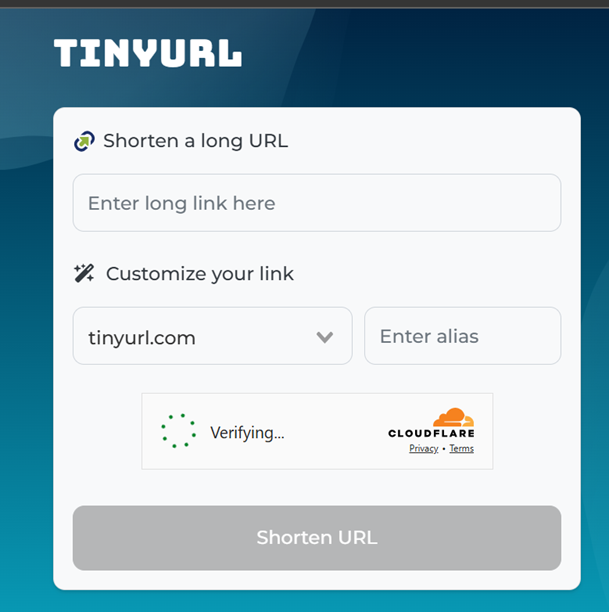
Short URLs work by redirecting users from the short, concise address to the original long URL. URL shortening services like Bitly, TinyURL, and Google URL Shortener generate these redirects. The redirection process occurs almost instantly, so users are taken directly to the intended webpage without delays.
Short URLs use a combination of hashing and redirection to map a short, memorable URL to the long original one. This makes it easy for people to remember and share links, especially on platforms with character limitations, such as Twitter.
What Are Long URLs?
Long URLs are the standard format used by most websites. They contain more characters and often include specific paths, query strings, or tracking parameters. For example, a typical long URL might look like this:
Long URLs tend to provide more context about the content or webpage they are pointing to. They are often used in marketing campaigns, eCommerce websites, or any situation where it’s essential to track the performance or source of traffic.
How Do Long URLs Work?
Long URLs work in the same —they direct the user to a specific webpage. The difference lies in their structure, which can be more complex, containing paths, parameters, and other data. Long URLs are used when the destination page needs to carry specific information, such as product IDs, user session data, or tracking parameters.
While long URLs provide more detailed information, they can be cumbersome, especially when shared on social media or in messages. For this reason, URL-shortening services come in handy.
Short URLs vs. Long URLs: Key Differences
1. User Experience
One of the most significant differences between short and long URLs is their impact on user experience. Short URLs are simple, easy to read, and user-friendly. They are ideal for sharing on platforms with character limits, such as Twitter, where every character counts. Short URLs also look cleaner, making them less intimidating to click, especially on printed materials like business cards or brochures.
On the other hand, long URLs can appear messy and overwhelming, especially when shared in emails or on social media. They are harder to read, and their complexity may make users hesitant to click on them.
2. Branding and Customization
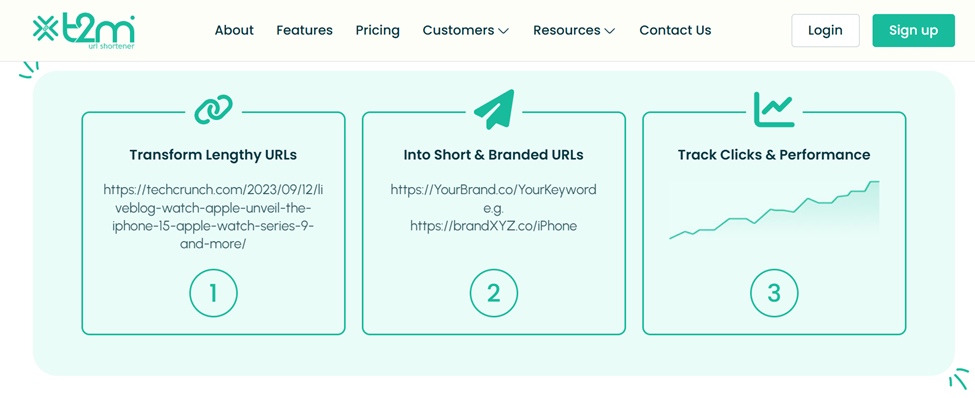
Short URLs can be customized to reflect a brand name or specific campaign, enhancing brand recognition. Services like Bitly allow you to create branded short links, such as bit.ly/BrandCampaign, making them memorable and recognizable. Customized short URLs are also great for marketing purposes, allowing users to immediately recognize the source of the link.
In contrast, long URLs typically include generic paths or complex query strings that aren’t easily customizable. As a result, they may lack the branding potential that short URLs offer.
3. Tracking and Analytics
Long URLs are often used in marketing campaigns because they allow for better tracking and analytics. By including UTM parameters or other tracking codes in long URLs, marketers can monitor the effectiveness of their campaigns. They can track where visitors are coming from, what specific content they interacted with, and which actions they took on the website.
While short URLs may seem less informative, some URL-shortening services offer advanced analytics. These services can track metrics such as the number of clicks, the geographical location of the user, and the time of the click. However, short URLs may not provide as granular information as long URLs with multiple parameters.
4. SEO (Search Engine Optimization)
In terms of SEO, long URLs tend to perform better than short URLs for several reasons. Long URLs that include keywords or descriptive content can help search engines understand what the webpage is about. For example, a URL like https://www.example.com/seo-tips-for-beginners is more SEO-friendly than a short URL like https://bit.ly/1X2Y3Z. Long URLs allow search engines to index pages more effectively and rank them higher in search results.
Short URLs, while convenient, don’t offer the same level of SEO value. Since short URLs typically don’t contain keywords or detailed paths, they can’t contribute directly to the page’s SEO efforts. However, they still play an important role in driving traffic to a webpage, which can indirectly impact SEO by increasing website visits and engagement.
5. Security and Trust
Short URLs can sometimes be perceived as less trustworthy, especially if users aren’t familiar with the URL-shortening service being used. Since short URLs hide the actual destination, they can be used for malicious purposes, such as phishing scams or spreading malware. For this reason, some users may hesitate to click on short URLs, fearing they could lead to unsafe sites.
Long URLs, while more transparent, can also pose security risks if they are altered or contain misleading parameters. However, users are generally more comfortable with long URLs because they can see where the link will take them before clicking.
6. Shareability
When it comes to shareability, short URLs are the clear winner. They are ideal for sharing on social media, in text messages, and across various digital platforms. The shorter length makes them easier to share, reducing the risk of truncation or broken links.
Long URLs, on the other hand, are not as shareable. They may get cut off in text messages or appear too long for social media posts. This is particularly problematic on platforms like Twitter, where there is a strict character limit.
7. Print and Offline Use
For offline materials, short URLs are highly preferred. On business cards, flyers, brochures, and posters, short URLs are easier to remember, write, and fit into limited space. They also reduce the chance of errors when typing in a URL manually. Long URLs, especially those with multiple query strings and parameters, can appear cluttered and unappealing in printed formats.
When to Use Short URLs vs. Long URLs
When to Use Short URLs
- Social Media: Short URLs are ideal for platforms with character limits, such as Twitter. They are also more visually appealing on platforms like Facebook, Instagram, and LinkedIn.
- Email Marketing: Short URLs help reduce the clutter in email newsletters and improve the overall appearance of your messages.
- Print Media: For offline marketing materials like business cards, flyers, and posters, short URLs are easier to share and remember.
- Shareable Links: If you need to share links across multiple channels quickly and efficiently, short URLs are the best option.
When to Use Long URLs
- SEO Purposes: Long URLs with descriptive keywords help improve SEO and enhance the visibility of your content in search engines.
- Marketing Campaigns: Long URLs with tracking parameters (e.g., UTM codes) are essential for tracking the success of marketing campaigns.
- Transparency: When you want to provide users with detailed information about the destination page, long URLs are preferable.
- Internal Linking: On your website, long URLs are often used to ensure that pages are indexed properly by search engines.
Conclusion
Both short and long URLs serve important purposes in web navigation, marketing, and content sharing. Short URLs are ideal for enhancing user experience, improving shareability, and simplifying the sharing process on social media or offline materials. On the other hand, long URLs offer better opportunities for SEO, detailed tracking, and transparency.
Ultimately, the decision to use short or long URLs depends on your specific goals and needs. For maximum impact, many businesses use a combination of both, utilizing short URLs for user engagement and long URLs for SEO and analytics. By understanding the advantages and limitations of each, you can create an effective strategy for sharing links that enhances your online presence and drives traffic to your website.