
























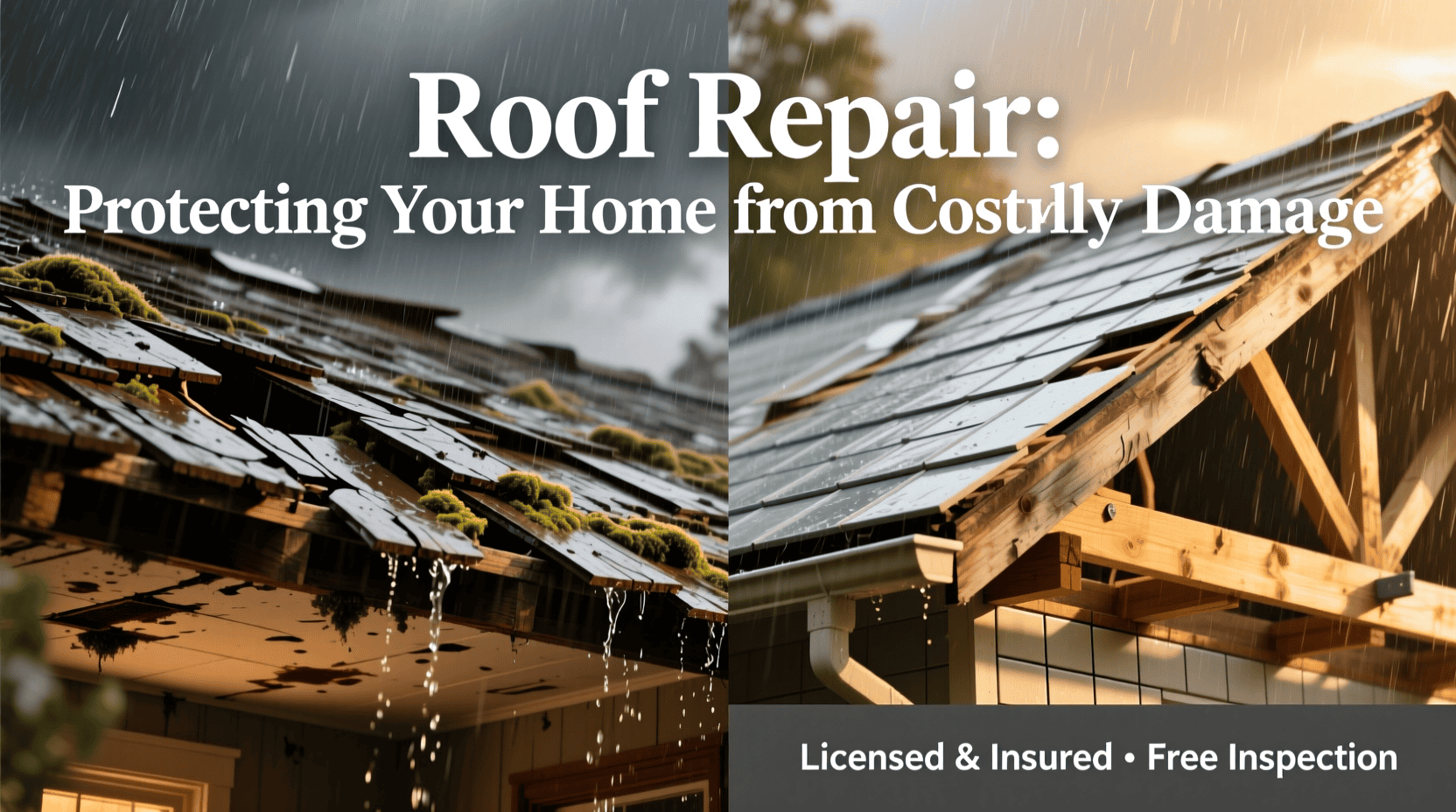
Your roof is your home’s first and most important line of defense against the elements. Over time, exposure to sun, wind, rain, and snow can take a toll—even on the most durable roofing systems. Whether you’re dealing with a minor leak or storm damage, roof repair is not something to ignore. Acting quickly can save you thousands in future repairs and even help you avoid a full roof replacement.
In this comprehensive guide, we’ll walk you through everything you need to know about roof repair: signs of damage, causes, costs, repair options, and how to choose the right roofing contractor.
Why Timely Roof Repair Matters
A small roofing issue can escalate into a serious and expensive problem if left unaddressed. Here’s what timely roof repair can help you avoid:
- Water damage to ceilings, walls, and electrical systems
- Structural damage to rafters, joists, and decking
- Mold and mildew growth, which can affect indoor air quality
- Increased energy bills due to insulation damage or poor ventilation
- Pest infestations from holes or gaps in the roof
By catching issues early, you extend your roof’s lifespan, maintain your home’s value, and avoid emergency repair costs.
Common Roof Problems That Require Repair
1. Leaks and Water Intrusion
The most obvious sign of roof trouble is a leak. Water spots on ceilings, damp attic insulation, or streaks down walls typically point to compromised roofing materials or flashing.
2. Missing or Damaged Shingles
High winds, hail, or aging can cause shingles to curl, crack, loosen, or blow away. Missing shingles expose the underlayment and decking to moisture and UV damage.
3. Cracked or Rusted Flashing
Flashing is the thin metal installed around chimneys, vents, skylights, and valleys. If it deteriorates or lifts, water can easily seep underneath.
4. Sagging Roof Deck
A sagging section of your roof can indicate rotting decking or structural issues, usually caused by long-term water exposure.
5. Clogged or Broken Gutters
When gutters are blocked or damaged, water can pool on the roof or overflow onto siding and foundations.
6. Granule Loss
If you notice shingle granules in your gutters or downspouts, it’s a sign your shingles are breaking down and losing their protective layer.
7. Ponding Water
Flat and low-sloped roofs are especially prone to ponding water. Standing water speeds up material deterioration and increases the risk of leaks.
Signs You May Need Roof Repair
You may not always see damage from the ground, so keep an eye out for these indicators:
- Water stains or brown spots on your ceiling
- Peeling paint or bubbling drywall
- Mold or mildew in the attic
- Unexplained spikes in energy bills
- Light coming through your attic ceiling
- Excessive debris or granules in gutters
- Visible damage to flashing, vents, or shingles
- Sagging roof lines or dips in the roof surface
If you notice any of these signs, it’s time to call a professional roofing contractor for an inspection.
Causes of Roof Damage
Understanding what causes roof problems helps you take preventative steps. Common causes include:
- Age – Most roofing materials have a finite lifespan. Asphalt shingles typically last 15–30 years, while tile and metal can last longer.
- Weather – Storms, hail, snow, and heavy winds can damage shingles and flashing.
- Improper Installation – Poor craftsmanship or shortcuts can lead to leaks, loose shingles, and ventilation issues.
- Lack of Maintenance – Ignoring small issues allows them to grow into larger, costlier problems.
- Tree Damage – Overhanging limbs and falling branches can puncture roofing materials or cause structural damage.
Types of Roof Repairs
Depending on the extent of damage, your roofing contractor may recommend one of the following solutions:
Shingle Replacement
Damaged or missing shingles can often be replaced individually without needing a full roof replacement.
Flashing Repair
Damaged flashing around chimneys, skylights, or valleys can be replaced or resealed to stop leaks.
Leak Patching
Leaks are usually sealed with roofing cement, sealants, or specialized patches, depending on the location and roofing material.
Gutter Repair
Fixing broken or misaligned gutters ensures water drains properly, reducing the risk of water backup and leaks.
Partial Roof Replacement
If damage is confined to a section of the roof, partial re-roofing may be a cost-effective solution.
DIY vs. Professional Roof Repair
DIY Repairs: Proceed with Caution
While you might be tempted to fix minor roofing issues yourself, roofing is dangerous and complex work. DIY repairs may:
- Miss underlying problems
- Void manufacturer warranties
- Lead to further damage if not done correctly
- Risk injury without proper safety equipment
Professional Repairs: Better Long-Term Results
A licensed, insured roofing contractor will:
- Diagnose the root cause of damage
- Use the correct materials and tools
- Ensure repairs meet building codes
- Provide warranties for labor and materials
- Keep you and your property safe during the job
Does Insurance Cover Roof Repairs?
In many cases, yes—if the damage was caused by a sudden event like hail, wind, or a fallen tree. Most homeowners policies do not cover wear and tear or lack of maintenance.
Tips for dealing with insurance claims:
- Document damage with photos and videos
- Contact your insurance provider promptly
- Hire a roofer with experience handling insurance claims
- Be aware of your deductible and policy limits
Roof Maintenance Tips to Prevent Repairs
Prevention is the best way to avoid expensive repairs. Here are a few roof maintenance tips:
- Inspect your roof twice a year (spring and fall)
- Check after major storms for damage
- Keep gutters clean and free of debris
- Trim trees to prevent branches from rubbing or falling on your roof
- Ensure proper attic ventilation to avoid moisture buildup
- Remove moss and algae before they break down roofing materials
How to Choose the Right Roof Repair Contractor
Not all roofing companies are the same. Here’s how to find one you can trust:
Licensed and Insured – Protects you from liability and ensures compliance with local building codes
Experienced – Look for contractors with years of experience repairing your type of roof
Good Reviews – Check online reviews, testimonials, and ask for references
Written Estimates and Warranties – Transparency and peace of mind
Local Presence – Local roofers understand regional weather and building requirements
Final Thoughts
Roof repair isn’t just about fixing leaks—it’s about protecting your home, your family, and your investment. Whether your roof has storm damage, aging shingles, or flashing issues, professional repairs ensure long-term performance and safety.
Don’t wait for small issues to become costly emergencies. Schedule a roof inspection today and take the first step toward peace of mind.