
























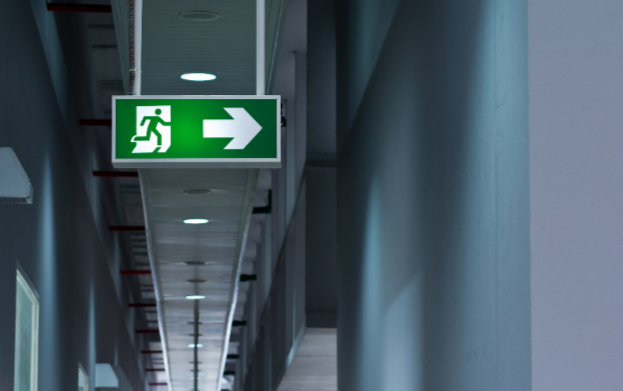
Preparing for an emergency light inspection involves assessing the condition, functionality, and compliance of emergency lighting systems within your premises. A thorough self-assessment ensures that your emergency lighting systems are in optimal condition, thereby facilitating a smoother inspection process and ensuring compliance with safety standards. Property owners and managers can further validate the readiness of their emergency lighting systems by obtaining an Emergency Lighting Certificate from accredited providers. This certification not only confirms compliance with regulatory requirements but also demonstrates proactive safety measures to stakeholders and insurers. By maintaining certified emergency lighting systems and conducting regular inspections, commercial and residential property stakeholders can uphold safety standards, mitigate risks, and ensure effective emergency preparedness.
Understanding Emergency Lighting Systems
1. Familiarize Yourself with System Components
Before conducting a self-assessment, familiarize yourself with the components of your emergency lighting system. This includes understanding the types of emergency lighting fixtures installed (e.g., exit signs, emergency luminaires), the location of backup power sources (e.g., central battery system, self-contained units), and any control panels or monitoring devices associated with the system.
2. Review Relevant Standards and Regulations
Ensure that you are familiar with the applicable standards and regulations governing emergency lighting systems in your region. Standards such as BS 5266-1 (British Standard) or NFPA 101 (National Fire Protection Association) provide guidelines for the installation, testing, and maintenance of emergency lighting systems. Understanding these standards will help you assess compliance during your self-assessment.
Conducting a Self-Assessment
3. Check Emergency Lighting Fixtures
Inspect all emergency lighting fixtures throughout your premises. Verify that exit signs are illuminated and clearly visible, emergency luminaires provide adequate illumination along escape routes and critical areas, and bulkhead lights are functioning properly. Ensure that all fixtures are free from physical damage and obstruction.
4. Test Backup Power Sources
Test the backup power sources, whether it’s a central battery system or self-contained units. Ensure that batteries are fully charged and capable of powering emergency lighting fixtures for the required duration during a simulated power outage. Test individual units if applicable and verify proper operation of charging circuits.
Documenting Findings
5. Maintain Detailed Records
Document your self-assessment findings systematically. Record observations related to the condition of emergency lighting fixtures, functionality of backup power sources, and any identified issues or deficiencies. Maintain records of previous maintenance activities, repairs, or upgrades performed on the emergency lighting systems.
6. Review Maintenance Logs and Documentation
Review existing maintenance logs and documentation related to the emergency lighting systems. Ensure that all required inspections, tests, and maintenance tasks have been conducted according to recommended schedules and manufacturer guidelines. Address any overdue maintenance tasks or discrepancies identified during your self-assessment.
Preparing for an Inspection
7. Address Identified Issues
Based on your self-assessment findings, address any identified issues or deficiencies promptly. Replace malfunctioning bulbs or fixtures, repair damaged components, or schedule professional maintenance if necessary. Ensure that emergency lighting systems are fully operational and compliant with safety standards before scheduling an inspection.
8. Organize Documentation for Inspection
Organize all documentation, including self-assessment reports, maintenance logs, inspection records, and compliance certificates. Prepare these documents for review during the emergency light inspection. Clear and organized documentation demonstrates proactive maintenance and compliance with regulatory requirements.
Conclusion
In conclusion, conducting a thorough self-assessment before an emergency light inspection is essential for ensuring the functionality, compliance, and readiness of your emergency lighting systems. By familiarizing yourself with system components, reviewing relevant standards, systematically inspecting fixtures and testing backup power sources, documenting findings, addressing identified issues, and organizing documentation for inspection, you can streamline the inspection process and demonstrate proactive management of emergency lighting systems. Proactive maintenance and compliance not only enhance safety for building occupants but also contribute to regulatory compliance and peace of mind in emergency situations. For streamlined safety certifications tailored to landlord requirements, partnering with Landlord Certification ensures comprehensive solutions that meet regulatory standards and enhance tenant safety protocols, If you want to stay updated with posts like this, please follow us on PRESSMAGAZINE.