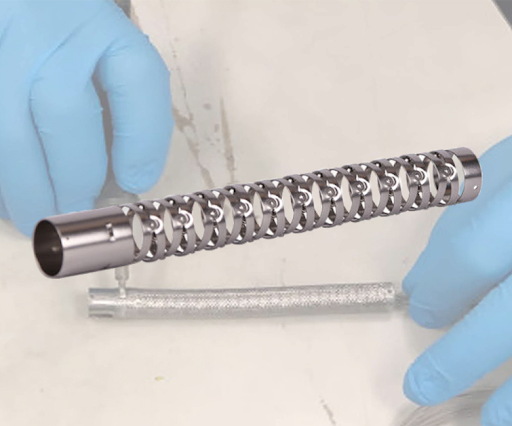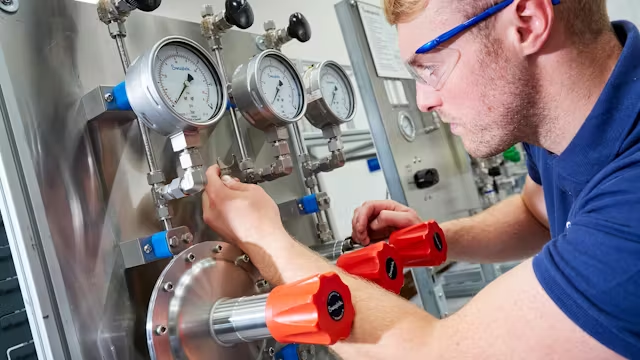
A high accuracy electronic pressure regulator is placed between a supply and a tool. It keeps pressure steady so that machines and people get the same result every time. This way, lots of your tasks are completed in a very short time due to the use of this regulator.
Why steady pressure matters
When pressure changes, machines slow or stop, which leads to a decrease in the quality. This also becomes the cause of parts bending or breaking. This is why steady pressure keeps speed and quality the same for every cycle.
A clear test: before, during, after
Think of painting a small box. Before the regulator, the paint comes out unevenly. During the regulator keeps the flow steady. After, the box looks the same every time. This test shows how the device helps.
What the test measures
We look at three things, such as:
- First → stability
- Second → response
- Third → repeatability
Stability means the pressure stays close to the target. Response means a high accuracy electronic pressure regulator moves to the new pressure fast. Repeatability means the regulator gives the same pressure many times.
How it improves speed and quality
A steady pressure lets machines run at their best speed so that the results come out every time remain the same. Due to this, workers need to spend less time fixing errors. The system also uses less raw material, which adds up in your overall profit.
Save energy and reduce waste
This means pumps and compressors don’t have to work too hard, so they automatically consume less energy. The factory also makes fewer faulty parts. Due to this, you save lots of money and material.
Better control for safety and uptime
Fast and accurate changes eliminate the chance of spills. This way, machines have to face very less issues and the production line can run for longer without the need to be checked. This also prevents the team from checking the system again and again.
Faster troubleshooting
When a high accuracy electronic pressure regulator reports correct values, the team finds the problems very fast. This way, they can replace simple parts before a major breakdown happens. This keeps the whole system running without stopping.
Easy maintenance and clear settings
Many regulators show pressure and let a user set limits in plain numbers. The team can save these settings and easily apply them to other production lines. These features reduce guesswork and training time.
Quick checklist before you start
Three fast checks
- Check the display. Make sure the set point matches the job.
- Listen for odd sounds. A quiet unit works better.
- Record one pressure value each shift. Record one pressure reading each shift. This will help you spot any patterns.
One tip to keep things simple
If you move the same setting to other production lines, just copy the numbers and that’s it. This reduces guesswork for the team and helps new staff learn faster.
Real-life example
A small factory used a proportional pressure regulator for a filling line. The team tuned the unit and watched the reject rate fall. The line ran smoothly, and the crew finished the tasks faster. This way, the shop saved time and material in just one week.
Final note: simple wins matter
Small, steady improvements make big differences. So, a high accuracy electronic pressure regulator keeps tools steady, saves energy, and reduces waste. It also makes work safer and easier to fix. For many tasks, this small regulator makes daily work feel smooth and easier to complete.