























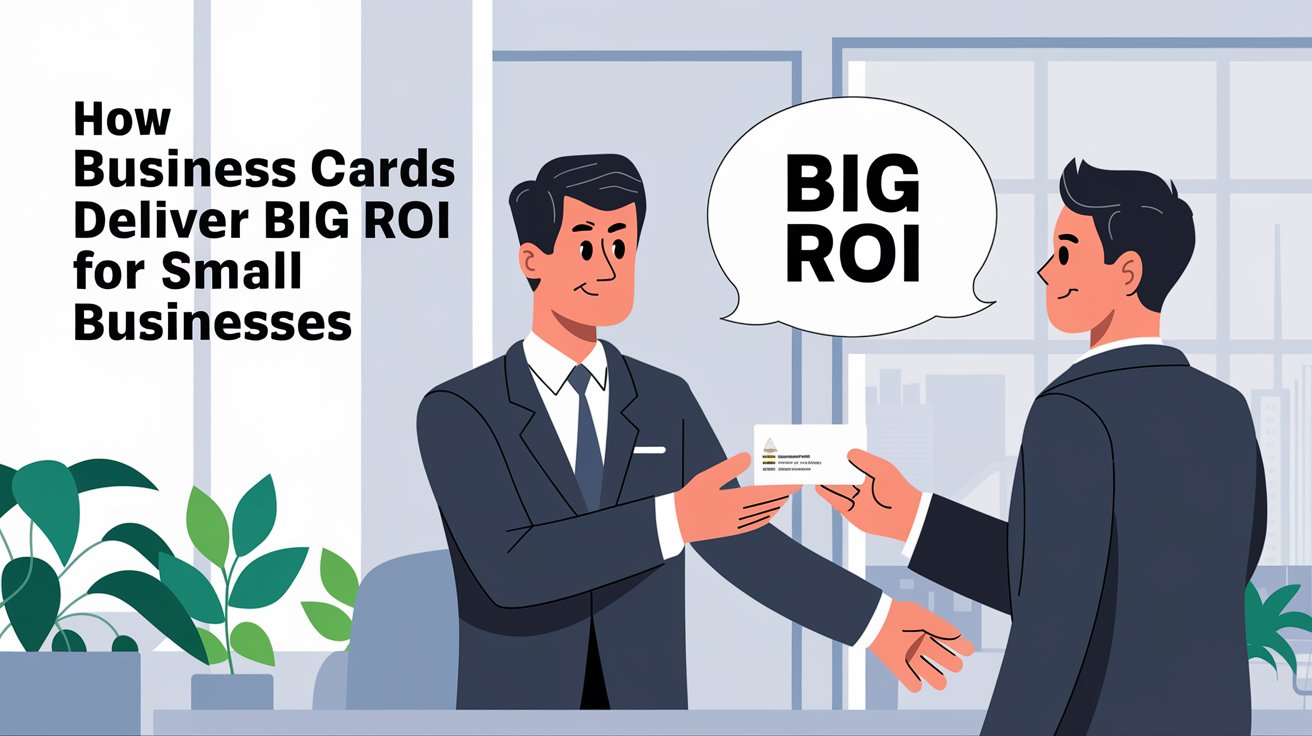
In today’s digital-first business landscape, it’s easy to overlook traditional marketing tools. But for small businesses, one of the simplest and most cost-effective assets is still a humble classic: the business card. Despite their size, business cards can pack a powerful punch when it comes to building brand awareness, creating connections, and ultimately driving return on investment (ROI).
Let’s explore how this pocket-sized marketing tool can help small businesses thrive.
1. First Impressions That Last
A great business card doesn’t just share your name and number, it tells your story in seconds. The tactile feel, design style, and even choice of materials send subconscious cues about your business. In fact, creative business card designs can instantly signal your brand values, helping you communicate professionalism, creativity, luxury, or approachability without saying a word.
For small businesses competing against larger players, that immediate visual and tactile impact can be the difference between being remembered or forgotten.
2. Low-Cost, High-Impact Marketing
Compared to many forms of advertising, like pay-per-click campaigns, print ads, or social media promotions, business cards are incredibly affordable to produce. A small upfront investment can yield months or even years of use.
Unlike digital ads that vanish once the budget runs out, business cards keep working for you long after you’ve handed them over. They’re passed from person to person, pinned on noticeboards, and pulled from wallets months later. This long shelf life means each card has the potential to generate leads well beyond its initial handoff.
3. Strengthening Personal Connections
While networking on LinkedIn or via email is convenient, it can feel impersonal. Business cards bridge that gap by adding a tangible element to an interaction. They act as a physical reminder of a conversation, reinforcing your connection.
Small business owners often rely heavily on word-of-mouth and relationship-building to grow their client base. Handing over a business card at a local event, trade show, or even in a casual conversation can spark follow-ups and referrals that digital-only connections might miss.
4. Versatility Beyond Networking Events
Business cards aren’t just for networking functions, they can be placed in strategic locations where your ideal customers are likely to see them. Coffee shop noticeboards, boutique counters, hotel reception desks, and event gift bags are just a few examples.
They can also be used creatively as appointment reminders, loyalty cards, or mini product catalogues. For small businesses with tight budgets, this adaptability means you’re squeezing every drop of value from each card printed. haulover nude beach shantalmonique
5. Tracking ROI in the Real World
You can even measure the impact of your business cards by including unique elements like QR codes or promo codes that direct recipients to a specific landing page or offer. This way, you can see exactly how many customers came to you because of a card.
By tracking conversions from these physical touchpoints, small businesses can quantify the return and adjust designs or distribution strategies for even greater success.
6. A Small Tool with Big Potential
In an age where inboxes are overflowing and social feeds move at lightning speed, a well-crafted business card offers a refreshing, personal way to make an impression. It’s a low-cost, versatile, and effective marketing tool that, when used strategically, can deliver a measurable boost to your ROI.
In Conclusion
So, the next time you meet someone who could be a customer, collaborator, or champion of your business, make sure you’ve got your little rectangle of opportunity ready to hand over.