























Hip Drop Tackle Football is a game that combines speed, power, and precision. However, the intense physicality of the sport often sparks debates about the safety of specific techniques. One such technique that has recently gained attention is the hip drop tackle. This tackling method, now banned in the NFL, has stirred conversations about player safety and the future of defensive play. Let’s dive deep into what makes the hip drop tackle contentious and its broader implications.
What Is a Hip Drop Tackle?
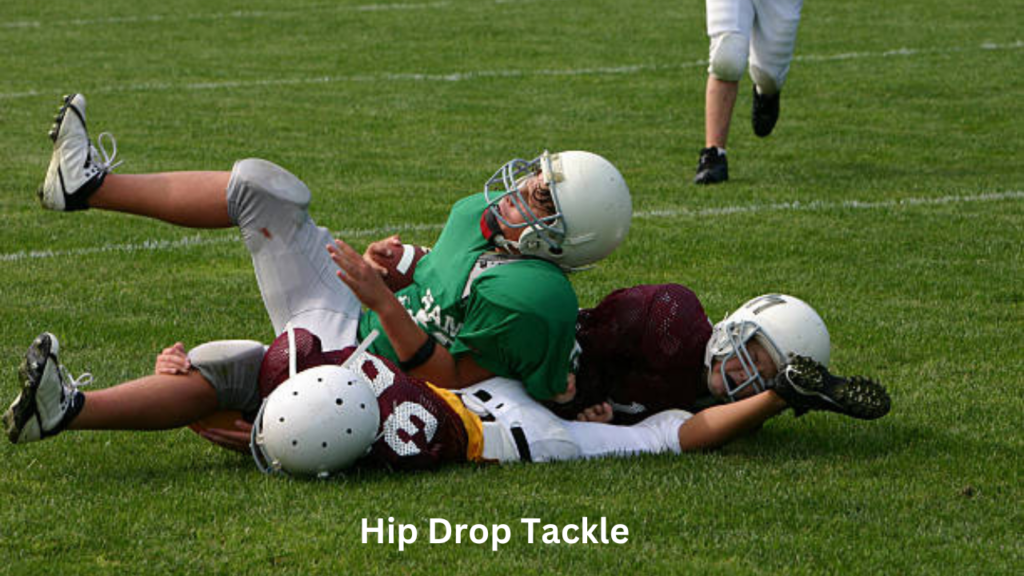
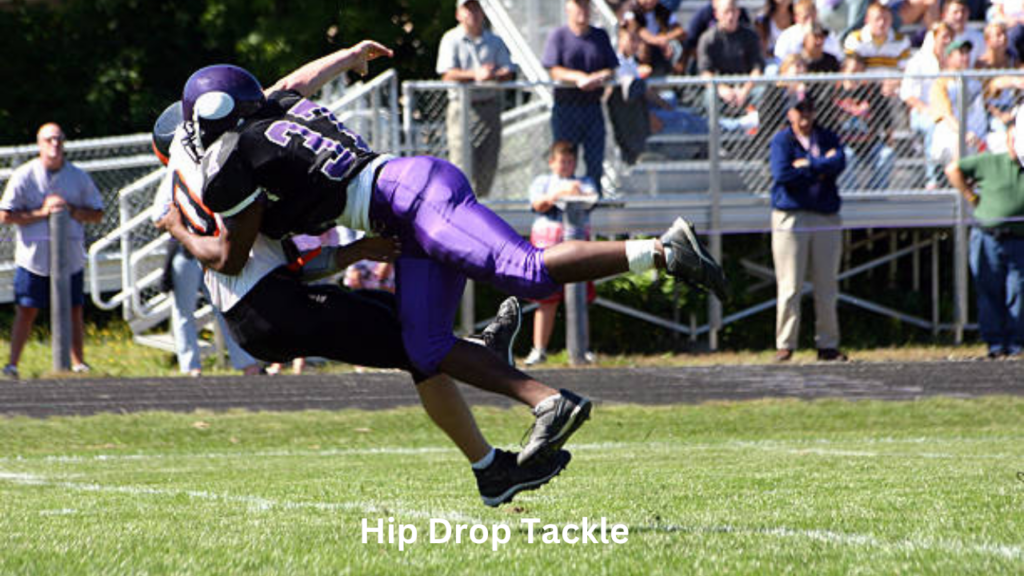
The hip drop tackle is a defensive maneuver where the tackler:
- Grabs or wraps the ball carrier with both arms or hands.
- Swivels or drops their hips, unweighting their lower body.
- It lands on the runner’s legs, usually trapping them at or below the knee.
This technique often results in the ball carrier being brought down swiftly but at a high cost—significant risk of injury to both players.
Why Was the Hip Drop Tackle Banned?
High Risk of Injury
Studies revealed that the hip drop tackle leads to injuries 20 times more often than other tackling methods. The technique places excessive force on the lower extremities, particularly the knees and ankles, leading to fractures, ligament tears, or worse.
Player Safety Priority
The NFL has made player safety a top priority. With increasing awareness of long-term injuries sustained during games, banning the hip drop tackle aligns with the league’s mission to reduce preventable harm on the field.
The Mechanics Behind the Danger
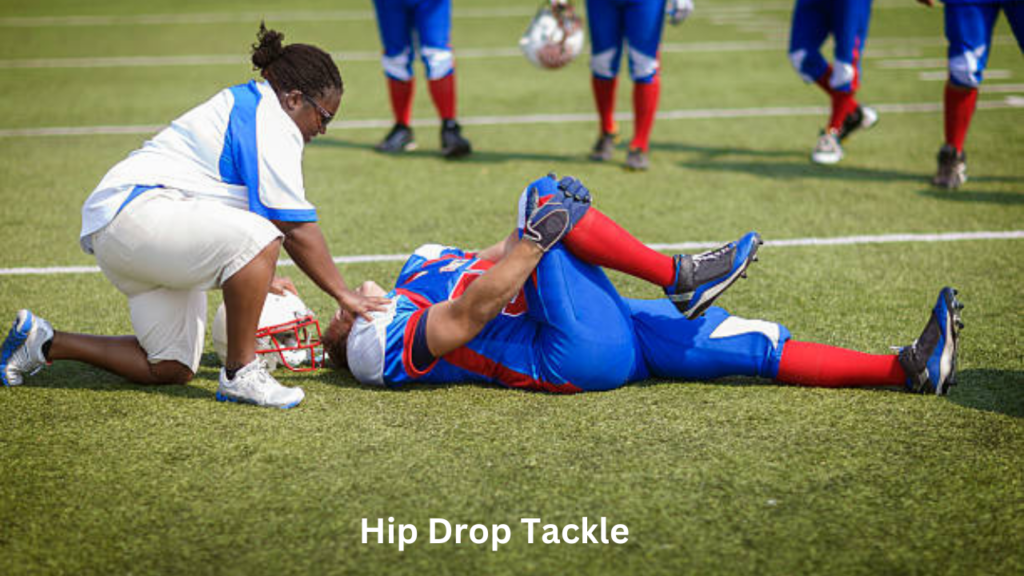
When defenders execute a hip drop tackle, their body weight shifts downward while pulling the ball carrier’scarrier’s legs. This sudden pressure can cause unnatural twisting or compression of the lower limbs. Unlike traditional tackling techniques that distribute impact evenly, the hip drop tackle directs concentrated force to vulnerable areas, often resulting in severe injuries like:
- Torn ACLs or MCLs.
- Fractured tibias or fibulas.
- Dislocated ankles.
Impact of the Ban
Fewer Injuries
Since the hip drop tackle ban, the NFL has seen a noticeable reduction in lower extremity injuries. This rule change has been hailed as a significant step towards creating a safer playing environment.
Shifting Tackling Techniques
With the hip drop tackle off the table, players and coaches adapt to safer alternatives like the “wrap-up” tackle. This method emphasizes controlled contact and proper form, reducing the risk of injury while being effective defensively.
How Players and Coaches Are Adapting
- Reinforced Training: Coaches now emphasize tackling drills that focus on wrapping up the ball carrier rather than relying on body weight for takedowns.
- Technique Over Power: Players are encouraged to focus on precision and timing instead of using brute force to execute a tackle.
- Rule Awareness: Awareness campaigns ensure that players at all levels understand the risks and regulations surrounding banned techniques like the hip drop tackle.
Arguments For and Against the Ban
Supporters of the Ban
- Safety First: Advocates argue that eliminating dangerous techniques like hip drop tackle makes the game safer without compromising competitiveness.
- Long-Term Benefits: Reduced injuries mean longer careers for players and less strain on teams dealing with sidelined athletes.
Critics of the Ban
- Defensive Challenges: Some defenders feel that banning the hip drop tackle limits their options, making it harder to bring down elusive runners.
- Tradition vs. Modernization: Purists argue that too many restrictions should not dilute football’s physical nature.
The Broader Implications for Football
The ban on the hip drop tackle is not just about a single technique; it reflects a more significant trend in football. With growing concerns about concussions, joint injuries, and chronic conditions, the sport is evolving to prioritize sustainability and safety. This shift is evident in other rule changes, from targeting penalties to helmet requirements.
Also Read: Michael Popok Wiki
Is Football Becoming Safer?
The NFL’s decision to ban the hip drop tackle highlights its commitment to balancing physicality with safety. While critics argue that too many restrictions could change the essence of the game, most agree that protecting players ensures football remains a beloved sport for generations.
Final Thoughts
The hip drop tackle was a technique born out of football’s intense physicality but ultimately deemed too dangerous to continue. Its ban represents a pivotal moment in the sport’s history, signaling a shift toward a safer, more sustainable future. As players, coaches, and fans adapt to these changes, the focus remains on preserving the spirit of football while safeguarding those who play it.
By understanding the risks and mechanics of the hip drop tackle, we gain a deeper appreciation for the delicate balance between aggression and safety in football. Whether you’re a player, a coach, or a fan, staying informed about these changes ensures that the love for the game continues without compromising the well-being of its stars.