
























Introduction
If you’re on the fence about gimbals and wondering whether to pick up the DJI Osmo Mobile 6 or stick with the DJI Osmo Mobile 5, you’ve come to the right place. This comparison is crafted for content creators, vloggers, travellers, social-media storytellers — basically anyone who uses a smartphone to capture videos on the move. We’ll dig into where the two models differ, which features matter most, and ultimately help you decide: is upgrading worth it?
Overview of Both Models
The Osmo Mobile 5 was a strong offering from DJI: foldable, packed with features, stabilisation done right. It’s loved for its portability and value.
The Osmo Mobile 6 takes that foundation and builds on it — adding new controls, improved tracking, better ergonomics and more “pro” touches. For many users, these upgrades are the difference between “good” and “great”.
Design & Build Differences
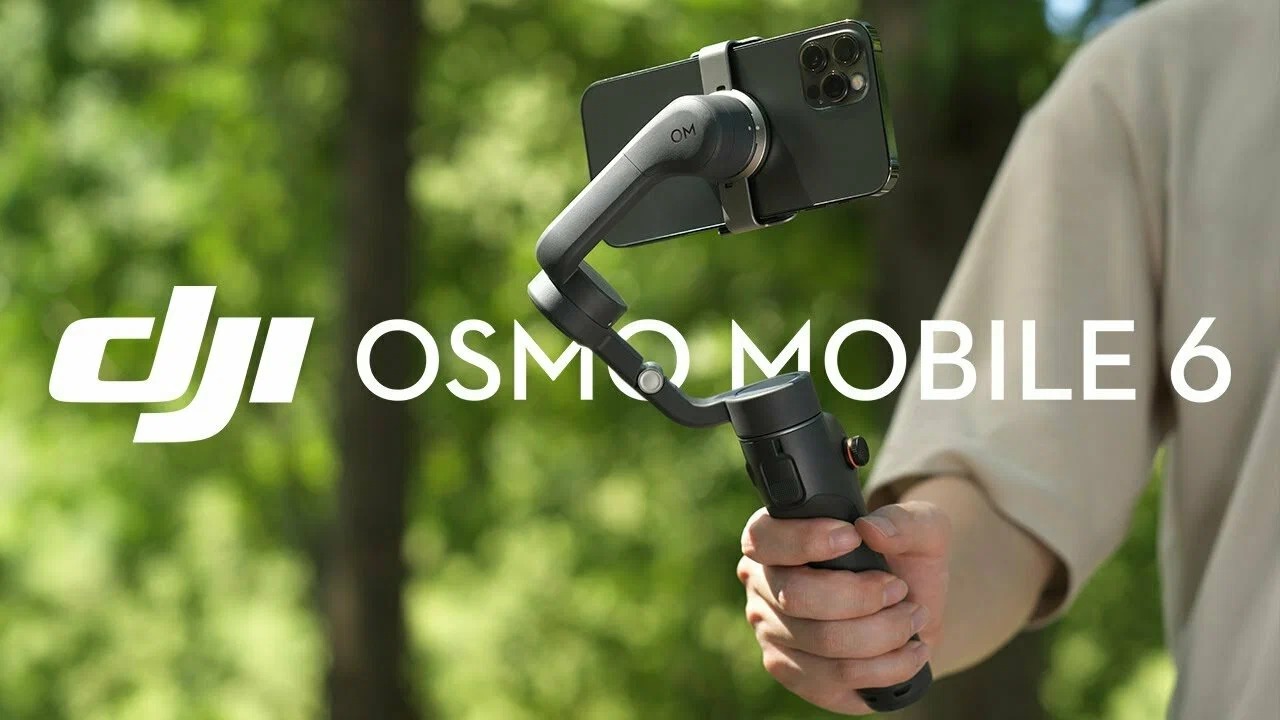
Let’s talk physical feel first. The Mobile 6 introduces a status panel so you can see what mode you’re in without digging into the app — a smart touch. Heliguy+2e-Catalog+2 There’s also an axis lock on the Mobile 6 to secure the gimbal during transport — a useful feature for travel. Heliguy+1
When it comes to size and weight, the difference is minor but notable: the Mobile 6 handles slightly more load and offers a bit more durability in its mechanics. e-Catalog+1
Ergonomics and Usability
In hand, the Mobile 6 feels just a bit more refined: smoother materials, a better grip, the side wheel sits naturally under your thumb. The Mobile 5 remains excellent, but if you hold the gimbal for long shoots (vlogging, walking tours, etc.), you’ll appreciate the incremental improvements in the Mobile 6.
Key Feature Upgrades in Mobile 6
Here are some of the standout upgrades you’ll get with the Mobile 6:
- Side wheel for zoom/focus control — this isn’t just gimmick; it adds actual creative control for more cinematic shots. Heliguy+1
- Quick Launch — snap your phone to the magnetic clamp and the gimbal wakes up fast, ready to shoot. Heliguy+1
- Magnetic clamp with alignment detection — ensures your phone is properly mounted and your gimbal won’t struggle to balance. Heliguy
- Improved ActiveTrack and tracking distance — better at keeping up with moving subjects, even via front camera. Heliguy+1
These enhancements stack up to make the Mobile 6 not just newer, but meaningfully better — especially if you’re serious about your mobile videography.
Performance & Stabilization
Both models deliver excellent 3-axis stabilization, which is what you expect from DJI’s mobile gimbals. But the Mobile 6 ups the ante: it supports a higher load (for larger phones or accessories) and delivers slightly longer operating time. e-Catalog+1
User feedback confirms this:
“the 6 has stronger motors so if you are adding lenses or filters you won’t have any balancing issues.” Reddit
So if you’re using a bulky phone with add-ons (lenses, mics, etc.), the Mobile 6 will give fewer headaches.
Limitations of Mobile 5
That said, the Mobile 5 is still very capable. Its limitations appear only in edge cases: heavy accessories, more demanding tracking scenarios, needing the latest control wheel features. If you’re just shooting casual content with a standard phone, the difference may be subtle.
Camera & Shooting Modes Comparison
In terms of modes, both models offer the essentials: Follow, FPV, Panoramas, Timelapse, Motionlapse, etc. The Mobile 6 builds further with improved performance in these modes, and the side wheel allows more nuanced control of zoom/focus — useful for more cinematic content. Features like Quick Launch also make capturing spontaneous moments easier.
Compatibility, Setup & App Features
They both support modern smartphones (iOS & Android). Setup is straightforward: snap in the phone, power on, connect via the DJI Mimo app and you’re ready.
What differs is how quickly you can jump into shooting with the Mobile 6 (thanks to Quick Launch) and how confidently it handles larger/higher-end phones with accessories. Mobile 5 will work just fine for many users, especially those without heavy add-ons.
Battery Life & Charging
According to spec comparisons: the Mobile 6 offers around 6.4 hours operating time vs about 6 hours on the Mobile 5. e-Catalog+1 Charging speed and efficiency may also tilt slightly in favour of the newer model. In practical terms, both offer plenty of usage for most creators. But if you shoot long sessions frequently, every extra minute helps.
Pricing and Value Proposition
When buying, price matters. Naturally, the Mobile 6 commands a higher price point than the Mobile 5 (especially if the latter is now discounted). If you’re on a budget and your usage is lighter, the Mobile 5 offers tremendous value. On the other hand — if you plan to use advanced features, heavy accessories or want future-proofing — the Mobile 6 gives better long-term value.
Who Should Choose Which Model
Choose Mobile 5 if:
- You’re a casual creator, shooting travel vlogs or social content without heavy gear.
- You’re budget-conscious and willing to trade a few pro features for cost savings.
- You don’t need the side wheel or frequent large-phone accessories.
Choose Mobile 6 if:
- You use your phone with extra lenses, mics or add-ons.
- You want more creative controls (zoom/focus) and quicker setup.
- You plan to shoot extensively and want a more future-proof solution.
Pros & Cons Summary
Mobile 5 — Pros:
- Great value
- Solid stabilization and feature set
- Compact, reliable
Mobile 5 — Cons:
- Fewer advanced controls (no side wheel)
- Slightly weaker motors for heavy setups
- Lacks some convenience features of Mobile 6
Mobile 6 — Pros:
- Enhanced controls (wheel, Quick Launch, status panel)
- Stronger motors and better load capacity
- Better suited for serious creators
Mobile 6 — Cons:
- Higher price
- If you’re casual, you may not get full benefit from all upgraded features
Final Verdict
In short: both are excellent gimbals. If you’re just starting out or shooting casually, the DJI Osmo Mobile 5 will serve you well and save you money. But if you’re serious about mobile videography — using extra gear, shooting more frequently, or aiming for higher-end content — the DJI Osmo Mobile 6 is worth the leap. The upgrades might seem incremental on paper, but in use they can make a noticeable difference.