






















When the Defense Health Agency (DHA) suddenly pulled the plug on its $96 million solicitation for the Oura Ring biometric wearables, the news rippled across both the defense and tech communities. Why would a military health division back away from what seemed like a promising health-monitoring technology? Was it internal politics, market rivalry, or simply a matter of shifting priorities?
Let’s unpack the controversy that’s turning heads—from the protests that ignited the fallout, to the broader implications for wearables in military use.
Complete Biography Table for “DHA Cancels OuraRing Biometric Ring Solicitation”
| Field | Details |
|---|---|
| Keyword | DHA Cancels OuraRing Biometric Ring Solicitation |
| Event Type | Government Contract Cancellation |
| Agency Involved | Defense Health Agency (DHA) |
| Company Affected | Oura (Finnish smart ring maker) |
| Contract Value | $96 million |
| Technology Involved | Oura Ring (biometric wearable for sleep, heart rate, temperature, etc.) |
| Cancellation Date | March 2025 |
| Original Award Date | October 2024 (intent to award) |
| Protesting Party | WHOOP (biometric wearable competitor) |
| Protests Filed | Two protests: Aug–Sep 2024 and Jan 2025 |
| Protest Reason | Alleged unfair sole-source contract; lack of competitive bidding |
| Official Reason for Cancellation | “Acquisition no longer required” and shifted Pentagon budget priorities |
| Budget Impact | Pentagon reallocated ~$50B (~8%) in total defense budget |
| Oura’s Status Post-Cancellation | Still growing—launched Oura Gen 4, doubled revenue, sold 2.5M+ rings |
| Current Market Trend | Continued interest in military and civilian wearable health tech |
| Main Consequences | Defense procurement policy questioned; spotlight on wearable tech fairness |
| Sources | BiometricUpdate, BreakingDefense, HigherGov, HelsinkiTimes, WHOOP public statements |
| Future Implications | Defense likely to explore competitive wearable procurement, more scrutiny |
| Keyword Variants | DOD cancels Oura Ring contract, Oura Ring military deal, WHOOP protest DHA |
| PAA Questions | Why was Oura Ring contract canceled? Who protested it? What’s next for military wearables? |
A Promising Deal Gone Cold: What Was the Contract About?
In late 2024, the DHA signaled its intent to award a sole-source contract to Oura, a Finnish smart ring manufacturer, to provide biometric monitoring rings for U.S. military personnel. The contract was set to be a game changer, integrating wearable tech into military health operations with real-time tracking of sleep, readiness, and recovery data.
Oura’s compact ring, known for its discreet and data-rich health tracking, was already making waves in the consumer world. Bringing it to the battlefield seemed like a natural evolution.
But just months later, in March 2025, the solicitation was abruptly cancelled, with the DHA citing that the acquisition was “no longer required” and no longer a priority.
Why Did the DHA Cancel the Oura Ring Solicitation?
Here’s where the story takes a twist.
While the official reason was a change in Pentagon-wide budget priorities—with nearly $50 billion (around 8% of the defense budget) being reallocated—the background reveals deeper layers of tension.
1. Protests by WHOOP
The biggest spark came from WHOOP, a direct competitor to Oura in the wearable space. WHOOP filed two formal protests with the Government Accountability Office (GAO)—first in late 2024 and again in January 2025.
Their claim? The DHA’s sole-source approach unfairly excluded competition, favoring Oura without a full and open bidding process.
While WHOOP’s protests were under review, they effectively pressured the DHA to reconsider the deal. When the second protest landed, the writing may have already been on the wall.
2. Favoritism or Bureaucracy?
Critics argue that the initial intent to bypass open bidding reflected a lack of transparency. Was Oura truly the only company that could deliver this technology? WHOOP would argue otherwise—and so might others in the wearable space.
With the protest in the spotlight, and with Pentagon leadership signaling a desire to cut non-critical expenses, the DHA may have found it safer to back out altogether than to defend the award.
Who Are the Key Players?
Let’s break down the roles of each party involved:
Defense Health Agency (DHA)
The division responsible for military healthcare. The DHA oversees health technology procurement for service members and was the entity behind the now-canceled solicitation.
Oura
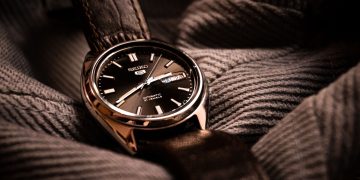
A Finnish company known for its minimalist smart ring capable of tracking heart rate, sleep, body temperature, and more. As of 2024, Oura had sold over 2.5 million rings, launched the Oura Ring Gen 4, and more than doubled its revenue.
WHOOP
A Boston-based fitness wearable company whose band-style device offers similar biometric tracking features. WHOOP positioned itself as a worthy alternative and spearheaded the challenge to the contract award.
The Timeline: From Award to Withdrawal
| Event | Date |
|---|---|
| Sole-source intent to award contract to Oura | October 2024 |
| First protest by WHOOP | August–September 2024 |
| Second protest by WHOOP | January 2025 |
| DHA officially cancels solicitation | March 2025 |
| Biometric Update publishes detailed report | March 6, 2025 |
This rapid back-and-forth illustrates how volatile government tech contracts can be—especially when billions are being reshuffled, and competitors are keeping a close eye.
Fallout and Implications: What This Means Going Forward
For the Government
The cancellation raises critical questions about how military agencies evaluate and procure emerging technologies. If wearable health tech is genuinely useful for monitoring soldier well-being, then why cancel the project altogether rather than simply opening it up to more bidders?
The move might signal increased caution—or even hesitation—in adopting consumer-grade wearables for defense purposes.
For Oura
The setback is a blow, especially considering how close Oura came to landing a nine-figure defense contract. However, the company’s consumer-facing business remains strong. In fact, shortly after the cancellation, Oura announced new AI-powered features and improved metabolic tracking.
For now, Oura continues to thrive in the private market—even if the military door is temporarily closed.
For WHOOP
While WHOOP didn’t “win” the contract, their protest forced a re-evaluation, casting them as a watchdog for fair competition. Whether they pursue their own bid in the future remains to be seen, but they’ve established themselves as a serious player.
Bigger Picture: Is There Still a Future for Wearables in the Military?
Absolutely—but it’s complicated.
Military leaders are actively exploring wearable technologies, not just for health but also performance optimization, injury prevention, and even combat training. Devices from Meta, Anduril, and others are being tested in parallel initiatives.
But as this controversy shows, any government tech rollout must navigate politics, protests, and public scrutiny.
Whether it’s biometric rings or brainwave trackers, the path forward is littered with hurdles—but the interest is there, and the tech is advancing fast.
Storytelling Moment: What If This Had Gone Differently?
Imagine a scenario where 100,000 active-duty service members are quietly wearing Oura Rings—getting alerts about potential illness, tracking their stress levels before missions, and reducing health-related downtime.
That was the vision the DHA might have had when considering the $96 million deal. The cancellation not only stalls that vision, but also prompts a reassessment of how innovation and procurement should intersect in the defense sector.
Sometimes, the battlefield isn’t where soldiers are—it’s where policies, paperwork, and politics collide.
Final Thoughts: What Should We Take Away?
The headline “DHA Cancels OuraRing Biometric Ring Solicitation” may sound like just another line in a long list of government reversals—but it’s far more than that.
It tells a story of:
- Innovation clashing with bureaucracy
- Transparency challenged by process
- And a competitive tech race that’s only heating up
As the Pentagon continues to reshape its budget and focus, companies like Oura and WHOOP will likely continue to jockey for influence—not just in gyms or on wrists, but in the very future of military health care.
Related Questions (And Quick Answers)
Why was the Oura Ring contract canceled?
The DHA cited budget shifts and a change in priorities, following protests about the fairness of the sole-source approach.
Who protested the contract?
WHOOP protested twice, alleging a lack of open competition.
Is the military still interested in wearables?
Yes. The DHA’s decision reflects budget priorities more than a rejection of wearable tech altogether.
Is Oura still growing despite the cancellation?
Yes. Oura’s consumer base expanded rapidly in 2024–2025, with new features continuing to launch.