























When it comes to health, many people only worry about the heart, lungs, or blood pressure. But have you ever thought about your gallbladder? Hidden under the liver, this small organ often goes unnoticed until something goes wrong. One such condition is cholerhiasis, a medical issue that sounds complicated but is surprisingly common.
So, what exactly is cholerhiasis, and why should you care? Let’s dive in.
What Is Cholerhiasis?
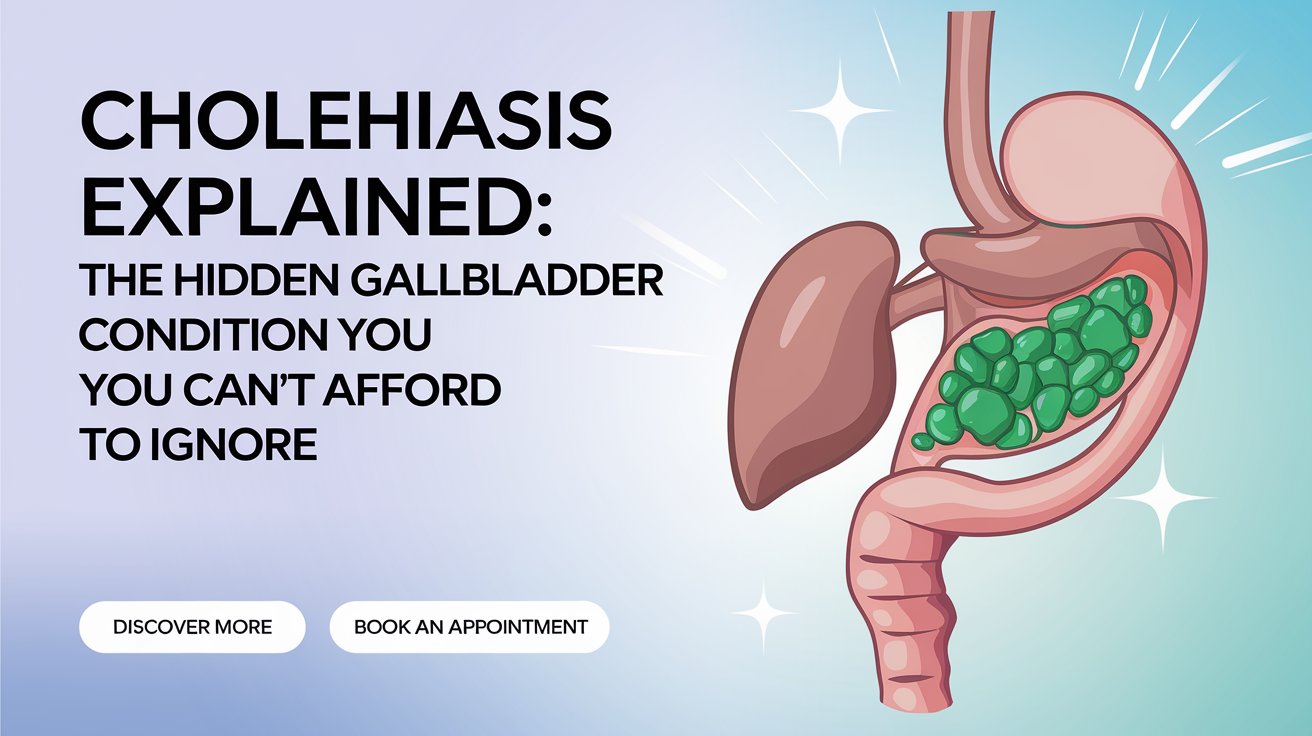
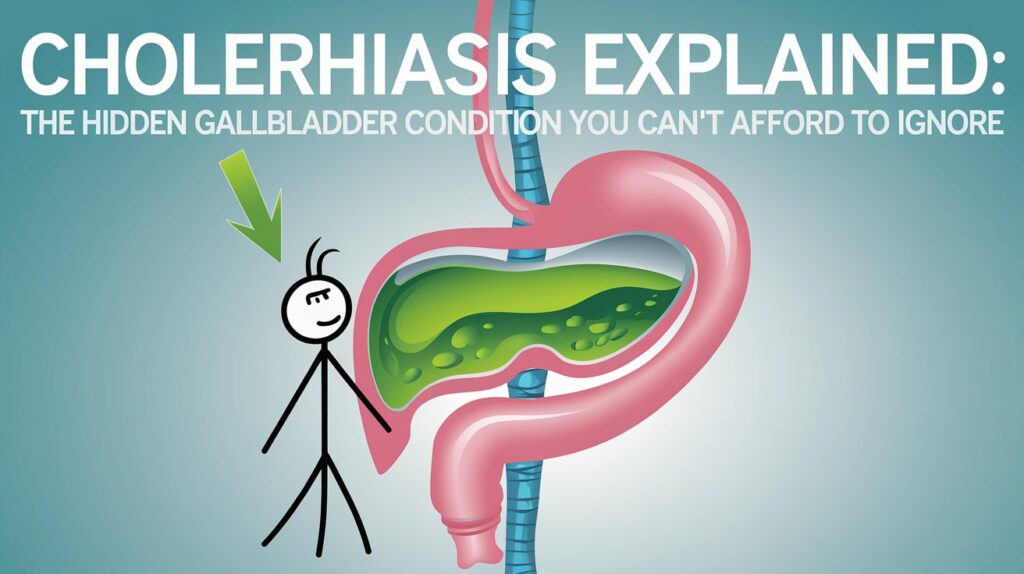
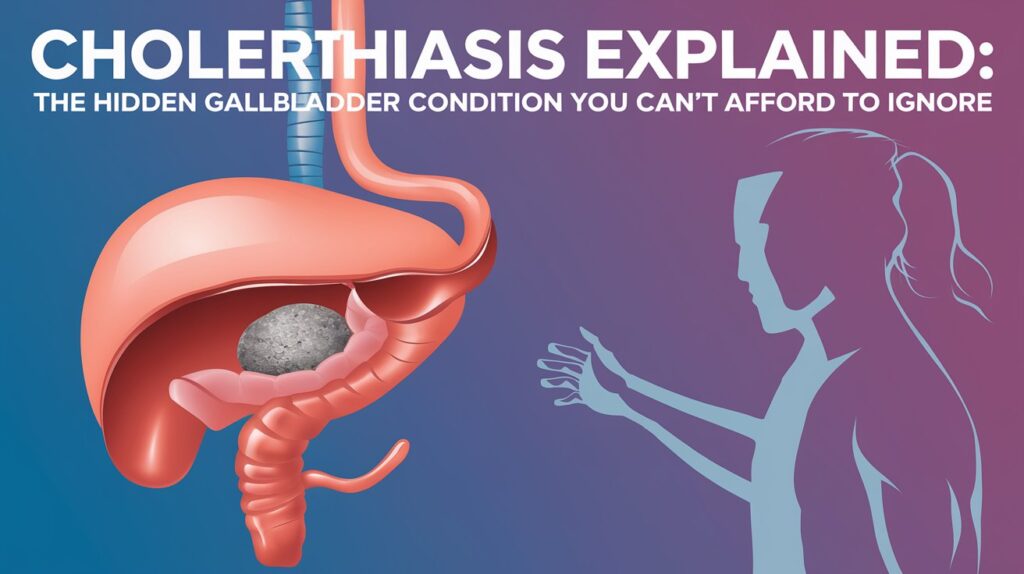
In simple terms, cholerhiasis refers to the presence of gallstones in the gallbladder. These stones form when substances in bile—such as cholesterol, bile salts, and waste—harden into pebble-like deposits.
Some stones are as small as grains of sand, while others can grow as large as golf balls. Imagine the discomfort of having something that big trapped inside your body. That’s why cholerhiasis deserves attention.
But here’s the twist: many people don’t even know they have it. Gallstones can remain silent for years until they trigger symptoms.
Why Do Gallstones Form in the First Place?
It’s not just bad luck. Several factors can lead to cholerhiasis:
- Excess cholesterol in bile – When bile contains more cholesterol than it can dissolve, crystals form.
- Poor gallbladder emptying – If the gallbladder doesn’t empty properly, bile becomes concentrated, increasing stone risk.
- Imbalance in bile salts – These normally break down fats, but if the balance shifts, stones appear.
Think of it like a kitchen sink. If grease and soap scum keep building up without being washed away, clogs eventually form. The gallbladder works the same way.
Certain medications and substances may worsen gallstone risks; if you’re curious, our detailed guide on Why disohozid Are Bad explains how they can negatively impact your overall health.
Who Is at Risk of Cholerhiasis?
Certain groups of people face higher risks. Doctors often call them the “4 F’s”:
- Female – Women are more prone due to hormonal changes.
- Forty – Risk increases with age.
- Fertile – Pregnancy affects bile composition.
- Fat – Obesity contributes to excess cholesterol.
That doesn’t mean men are safe. Diet, lifestyle, and genetics also play a huge role in cholerhiasis.
So, if you tick some of these boxes, it might be time to pay closer attention.
Symptoms of Cholerhiasis: How Does It Feel?
Here’s where things get tricky. Some people never feel a thing, while others experience painful attacks. Common signs include:
- Sudden, sharp pain in the upper right abdomen
- Pain that radiates to the shoulder or back
- Nausea or vomiting after fatty meals
- Indigestion and bloating
- Fever or chills (if infection develops)
Have you ever eaten a heavy meal and suddenly felt stabbing pain under your ribs? That could be cholerhiasis making itself known.
Silent Gallstones: Should You Worry?
Not all gallstones cause trouble. In fact, many remain “silent” and go unnoticed during routine scans.
So, the question is: if they don’t hurt, should you remove them?
Doctors usually recommend leaving silent stones alone unless they pose a risk of complications. But once symptoms appear, ignoring cholerhiasis can be dangerous. Gallstones may block bile ducts, leading to infections, inflammation, or even pancreatitis.
Complications of Cholerhiasis
While gallstones may seem harmless, complications can turn serious quickly:
- Cholecystitis – Gallbladder inflammation that causes severe pain.
- Choledocholithiasis – Stones travel into the bile duct, blocking flow.
- Pancreatitis – Stones block the pancreatic duct, inflaming the pancreas.
- Gallbladder cancer – Rare, but long-term irritation may increase risk.
Would you really want to gamble with these risks? That’s why recognizing cholerhiasis early is crucial.
How Is Cholerhiasis Diagnosed?
Doctors use several tests to confirm the condition:
- Ultrasound – The most common and painless test.
- CT scan or MRI – For more detailed imaging.
- Blood tests – To check for infections or liver issues.
If you’ve had unexplained abdominal pain, getting an ultrasound could reveal hidden gallstones.
Blood tests often help in identifying related health conditions, and exploring resources like Serumcu can give readers deeper insights into how blood markers connect to gallbladder health.
Treatment Options for Cholerhiasis
Now comes the big question: how do you treat gallstones?
1. Watchful Waiting
If stones are silent, doctors may simply monitor you.
2. Medications
Drugs like ursodeoxycholic acid can dissolve stones, but results are slow and not guaranteed.
3. Surgery (Cholecystectomy)
This is the most effective treatment. Surgeons remove the gallbladder entirely, usually via laparoscopic surgery. People live healthy lives without it.
4. Non-surgical options
In rare cases, shockwave therapy or endoscopic procedures may help.
Life After Gallbladder Removal
A common worry is: can you live without a gallbladder?
Yes. The liver still produces bile, which flows directly into the small intestine. Some people may experience minor digestive changes, like loose stools after fatty meals, but most adjust quickly.
So, if surgery is recommended for cholerhiasis, it’s not the end of the world.
Can You Prevent Cholerhiasis?
While not all cases are preventable, lifestyle plays a huge role. You can lower your risk by:
- Maintaining a healthy weight
- Eating a balanced diet with less fat and more fiber
- Staying physically active
- Avoiding crash diets or fasting for long periods
- Drinking enough water daily
Your gallbladder works best when you treat your body well. Prevention is always easier than treatment.
Everyday Story: A Real-Life Example
Consider Sarah, a 42-year-old working mom. She started feeling sharp pains after family dinners. At first, she dismissed them as indigestion. But one night, the pain became unbearable, sending her to the ER.
An ultrasound revealed cholerhiasis. Sarah underwent laparoscopic surgery, and within a few weeks, she was back to her normal life—pain-free and healthier.
Stories like Sarah’s highlight why ignoring gallbladder pain can be risky.
When Should You See a Doctor?
If you experience:
- Sudden, intense abdominal pain
- Pain lasting longer than 4-5 hours
- Fever, chills, or yellowing of the skin (jaundice)
Don’t wait. These are red flags of complications from cholerhiasis. Immediate medical attention is necessary.
Key Takeaways About Cholerhiasis
- Cholerhiasis = gallstones in the gallbladder.
- It can stay silent or cause severe pain.
- Risk factors include age, gender, obesity, and diet.
- Complications can be serious if untreated.
- Surgery is the most effective solution when symptoms appear.
- Healthy lifestyle choices reduce your risk.
Final Thoughts
The gallbladder may be small, but cholerhiasis proves that tiny stones can create big problems. The good news is that early detection and proper treatment make all the difference.
So, if you’ve been experiencing unexplained abdominal pain, don’t brush it off as just another stomach ache. Listen to your body. Talk to your doctor. Because when it comes to your health, prevention and awareness are the best medicines.