
























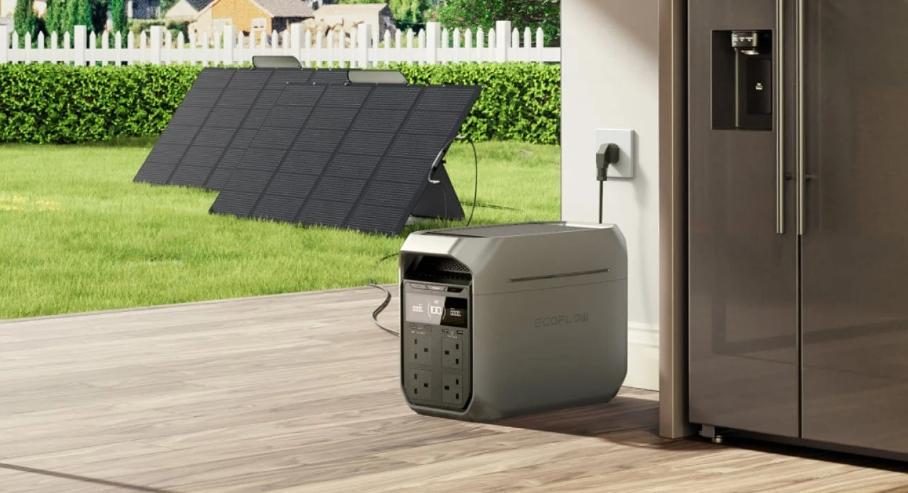
Rising energy costs are driving homeowners to seek smarter energy solutions. Solar batteries present a compelling option, enabling households to store excess solar power for use during peak demand or outages. This reduces reliance on the grid, cuts electricity bills, and boosts energy independence. By integrating solar batteries into home solar systems, users gain both financial and environmental benefits. This blog explores how solar batteries contribute to long-term energy savings, examining return on investment, payback periods, and best usage practices. Discover how innovations like EcoFlow Power Kits can optimize home energy management and help determine if solar batteries are a worthwhile investment.
How Solar Batteries Work with Home Energy Systems
Solar batteries work by storing excess solar energy generated by home solar panels. This stored energy can then be used during times when solar production is low or when energy demand peaks.
Grid-tied vs. off-grid battery systems
In grid-tied systems, solar batteries work alongside the traditional power grid. They provide energy storage, allowing homeowners to draw from stored solar power during expensive peak times. Off-grid systems, on the other hand, rely solely on battery-stored energy, providing complete independence from the grid. Grid-tied systems are usually more affordable and practical for most homes, while off-grid setups suit those in remote areas with no grid access.
Solar charging and energy discharge cycles explained
Solar batteries undergo charging and discharging cycles daily. During sunlight hours, solar panels generate electricity, which is either used by the home or stored in the battery. When the sun isn’t shining, the stored power can be discharged from the battery to meet energy needs. This cycle reduces dependence on grid electricity, effectively lowering utility bills by tapping into free solar power.
What Are the Real Savings from Solar Batteries?
The real savings from solar batteries depend on various factors that can significantly affect how much you save on energy bills.
Factors that influence savings – location, rates, usage
Savings largely depend on location (solar exposure), local electricity rates, and individual energy consumption patterns. Areas with high sunlight will charge batteries more efficiently, maximizing savings. Local electricity rates also impact how much homeowners save by using stored solar energy versus buying from the grid. High consumption households tend to save more, especially when offsetting peak usage times with stored solar energy.
Time-of-use billing and peak shaving benefits
Time-of-use (TOU) billing structures charge different rates based on the time electricity is used. Solar batteries shine in these cases, allowing homeowners to avoid high rates by using stored power during peak hours. Peak shaving – using batteries to offset peak period consumption – offers substantial cost savings in regions with TOU billing.

Cost, Payback Period, and Return on Investment
Investing in solar batteries involves analyzing costs, potential savings, and the return period.
Typical solar battery costs in the UK
In the UK, solar battery costs typically range from £3,000 to £7,000, depending on capacity and brand. Installation costs can add another £500 to £2,000. Pricing varies based on features, warranty, and battery size, influencing initial outlay but also affecting long-term savings potential.
Break-even point and ROI calculators
The break-even point for solar batteries depends on initial investment versus annual savings. Using ROI calculators can give homeowners a clear picture of their payback period, which usually falls between 5 to 15 years. Calculators consider factors like energy prices, battery capacity, and energy usage patterns to provide accurate estimates, guiding investment decisions.
EcoFlow solar battery example: Smart savings setup
EcoFlow Power Kits exemplify efficient solar battery solutions. With modular designs and easy integration, they tailor to specific home needs, optimizing savings. These systems emphasize smart energy management, enhancing ROI by dynamically adapting to consumption patterns and maximizing solar energy usage.
Who Benefits Most from Solar Battery Systems?
Solar battery systems offer distinct advantages for specific homeowners, optimizing savings and reliability.
Households with high electricity bills or blackouts
Homes with high electricity use can cut grid reliance and lower energy bills. In regions with frequent outages, energy storage systems improve resilience by keeping essential devices powered. By adopting solar and storage, homeowners gain greater independence, reliability, and peace of mind—especially during peak demand or blackout scenarios.
Areas with solar incentives and time-of-use rates
Solar batteries offer greater value in regions with incentives or TOU rates. Incentives lower upfront costs, improving return on investment. TOU rates increase savings by using stored energy during peak pricing hours. Together, these policies enhance the economic case for solar-plus-storage systems, making them more attractive and financially viable.
Homeowners wanting energy independence
Solar batteries empower homeowners seeking energy independence. By generating and storing their own power, they can avoid rising grid prices while reducing reliance on fossil fuels. This not only offers financial stability but also reinforces a commitment to environmental sustainability—making solar storage a smart, eco-conscious energy solution.
Conclusion
Solar batteries present a viable strategy for cutting energy bills while promoting sustainability. They allow for efficient use of solar power and mitigate grid reliance, leading to potential financial and environmental rewards. Choosing products like EcoFlow Power Kits can optimize energy storage, usage, and savings. By evaluating costs, savings, and local incentives, homeowners can make informed decisions on solar battery investments. As energy prices fluctuate, solar batteries stand as a smart, future-forward choice for energy-conscious households wanting to maximize savings and minimize carbon footprints.