























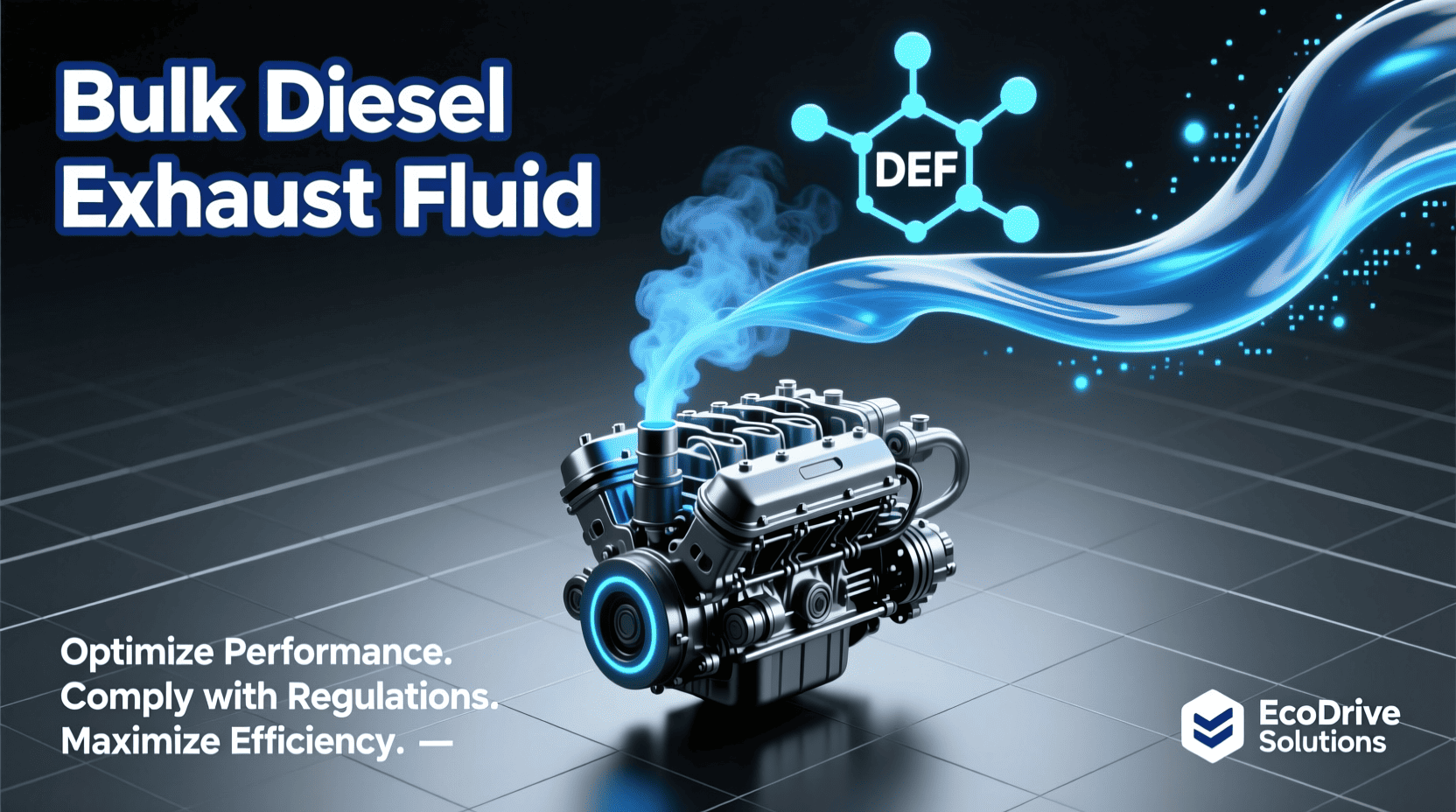
As the diesel industry continues to evolve under growing environmental regulations, compliance is no longer optional — it’s operational. One of the key components enabling fleets and equipment operators to meet emissions standards is Diesel Exhaust Fluid (DEF). While DEF is widely used in all modern diesel engines with SCR (Selective Catalytic Reduction) systems, how it’s stored, transported, and delivered can significantly impact both performance and efficiency.
This is where bulk diesel exhaust fluid becomes essential.
By shifting from small containers to bulk DEF solutions, operations not only gain logistical advantages but also reduce costs, minimize waste, and ensure a more consistent supply chain. This article explores the fundamentals of bulk DEF, its operational value, and the importance of partnering with reliable bulk DEF delivery services to keep your fleet running smoothly and compliantly.
What Is Diesel Exhaust Fluid?
Diesel Exhaust Fluid is a non-toxic, clear liquid composed of 32.5% high-purity urea and 67.5% deionized water. It is used with SCR systems in diesel engines to reduce nitrogen oxide (NOx) emissions, which are harmful pollutants regulated by global environmental standards.
When injected into the exhaust stream, DEF breaks down into ammonia and carbon dioxide. The ammonia then reacts with NOx in the SCR catalyst, converting it into nitrogen and water — both harmless to the environment.
While DEF itself is relatively simple, the handling and storage of it at scale — especially in bulk — requires attention to quality, material compatibility, and logistical timing.
Why Go Bulk? The Advantage of Bulk Diesel Exhaust Fluid
Buying DEF in small containers may work for single-vehicle owners or small fleets, but for mid- to large-sized operations, it becomes inefficient and costly. Here’s why more companies are turning to bulk diesel exhaust fluid:
1. Lower Cost Per Gallon
Bulk DEF costs significantly less per gallon than smaller packaged options (jugs, drums, or totes). You avoid unnecessary packaging, retail markups, and shipping charges. Over time, this represents a major savings for operations with consistent DEF usage.
2. Simplified Inventory Management
Instead of tracking dozens or hundreds of small containers, bulk systems allow for centralized storage with level monitoring. Reordering becomes automatic or scheduled, reducing the risk of stockouts and streamlining procurement.
3. Reduced Labor and Handling Time
With bulk systems, operators simply dispense DEF from a tank or integrated system, similar to how fuel is managed. This reduces handling time and the chance of contamination, while improving safety.
4. Better for the Environment
Bulk delivery significantly reduces plastic waste and packaging disposal. Combined with fewer transportation trips (due to larger volume per delivery), this approach supports environmental responsibility and sustainability goals.
Components of a Bulk DEF System
To fully benefit from bulk diesel exhaust fluid, proper infrastructure must be in place. The core components include:
Storage Tanks
Made of materials compatible with DEF, such as stainless steel or high-density polyethylene. These tanks should be sealed, UV-protected, and often include insulation or heating elements in colder climates.
Dispensing Systems
These include pumps, hoses, and metering equipment, often installed at centralized fueling points or in mobile refueling trucks. DEF-specific dispensing gear is critical to avoid contamination.
Monitoring Technology
Tank monitoring systems allow users and suppliers to track DEF levels remotely. This enables timely reorders and helps avoid overfilling or running out unexpectedly.
DEF Purity: Why It Matters in Bulk
DEF must meet ISO 22241 specifications to function correctly in SCR systems. Contaminated or diluted DEF can:
- Damage sensitive components like injectors and catalysts
- Cause engine faults or derate conditions
- Void equipment warranties
- Increase emissions beyond regulated thresholds
For these reasons, it is essential to source DEF from reliable bulk DEF delivery services that guarantee consistent, tested, and certified product quality. Reputable suppliers offer documentation (Certificates of Analysis) and follow strict handling protocols to prevent contamination during transport or delivery.
Storage and Handling Best Practices
Handling bulk diesel exhaust fluid isn’t complex, but it does require adherence to some best practices:
- Keep DEF storage between 12°F and 86°F (–11°C to 30°C)
Freezing is reversible, but repeated freeze/thaw cycles can reduce quality. Excess heat can cause the urea to degrade. - Use DEF-dedicated equipment
Never share pumps or hoses with diesel fuel or other fluids. Even trace contamination can affect system performance. - Protect against UV exposure
DEF should be stored in opaque or UV-resistant tanks to prevent breakdown of urea. - Label and segregate DEF clearly
This minimizes the risk of accidental contamination and ensures all operators understand the system.
Choosing Reliable Bulk DEF Delivery Services
The success of any bulk DEF program hinges on your supplier’s ability to deliver on time, every time, and without compromising product integrity. Partnering with reliable bulk DEF delivery services provides:
Consistency
Scheduled deliveries keep your tanks full and operations moving without interruption. Suppliers can coordinate deliveries based on telemetry data or usage history.
Quality Control
Reputable delivery services adhere to ISO 22241, test every batch, and ensure sealed delivery processes. This protects your SCR systems from costly damage.
Installation and Maintenance Support
Many suppliers offer turnkey solutions — tank setup, monitoring systems, maintenance, and even training for your team.
Emergency and Scalable Delivery
Whether you need a sudden refill due to increased demand or you’re expanding to new sites, a flexible supplier can adapt quickly.
Your supply chain is only as strong as your weakest link — ensuring you work with reliable bulk DEF delivery services removes one of the most common pain points in diesel emissions compliance.
Industries That Benefit from Bulk DEF
Transportation Fleets
With tight delivery schedules and long-haul requirements, having DEF readily available is critical for preventing downtime and maintaining emissions compliance.
Construction and Mining
Heavy-duty off-road machinery consumes large volumes of DEF, often in remote environments. Bulk storage solutions on-site reduce the need for frequent deliveries.
Agriculture
Tractors, combines, and other farm machinery require DEF, especially during peak seasons. On-farm bulk storage ensures operations continue uninterrupted.
Industrial Power and Generators
Backup generators for critical infrastructure must comply with emissions rules. Bulk DEF ensures they’re always ready without worrying about last-minute shortages.
Common Mistakes to Avoid with Bulk DEF
Even well-run operations can fall into these traps:
- Using the wrong materials for tanks or hoses (e.g., copper or brass)
- Allowing DEF to be exposed to open air which leads to contamination
- Neglecting to clean tanks before switching suppliers
- Storing DEF near fuel or chemical compounds that risk cross-contamination
- Not training staff properly on DEF dispensing and storage protocols
Avoiding these mistakes starts with education and choosing professional suppliers who provide ongoing support and training.
DEF Usage Forecasting and Consumption
On average, DEF consumption is 2–3% of diesel fuel usage. If a truck uses 100 gallons of diesel, it will use approximately 2–3 gallons of DEF. By monitoring your fleet’s diesel consumption, you can accurately forecast DEF needs and schedule bulk deliveries efficiently.
Tools like telematics and fuel management software can help you integrate DEF consumption data into your broader fuel strategy, making procurement more efficient and reducing waste or shortages.
Final Thoughts
Bulk diesel exhaust fluid has become a critical part of modern diesel operations. As regulatory pressures rise and operational efficiency becomes more important, shifting to bulk DEF is no longer just a cost-saving tactic — it’s a strategic move.
It reduces cost per gallon, simplifies handling, protects engine systems, and enhances compliance. But these advantages only materialize when paired with reliable bulk DEF delivery services that uphold product quality, punctuality, and support.
If your business relies on diesel power, it’s time to stop thinking of DEF as an afterthought. Invest in the right infrastructure, the right supplier, and the right practices to ensure that your DEF strategy supports — rather than disrupts — your performance.