
























Artificial Intelligence (AI) is not just a buzzword—it’s a transformative force reshaping our world. From the smartphone in your pocket to complex algorithms that drive modern technology, AI is at the heart of many advancements. But what exactly is Artificial Intelligence, and why is it so significant? This article explores the depths of AI, its capabilities, and its implications for our future.
What is Artificial Intelligence?
Artificial Intelligence refers to a set of technologies that enable machines to mimic human intelligence. This includes understanding natural language, recognizing patterns, solving problems, and making decisions. At its core, AI encompasses machine learning, where computers are trained to learn from data and improve over time. This technology allows systems to perform tasks that typically require human cognition.

The Evolution of Artificial Intelligence
AI has a rich history that traces back to the mid-20th century. Initial efforts focused on creating machines that could solve mathematical problems and play chess. Over the decades, AI evolved from simple rule-based systems to sophisticated neural networks capable of understanding and generating human-like text, recognizing images, and even driving cars autonomously.

Key Technologies Behind AI
- Machine Learning (ML): This is a subset of AI where algorithms learn from data. ML models are trained on large datasets to make predictions or decisions without being explicitly programmed for each task.
- Natural Language Processing (NLP): NLP allows machines to understand and interact using human language. This technology powers virtual assistants, translation services, and chatbots.
- Computer Vision: This technology enables machines to interpret and understand visual information from the world, such as recognizing faces in photos or detecting objects in video feeds.
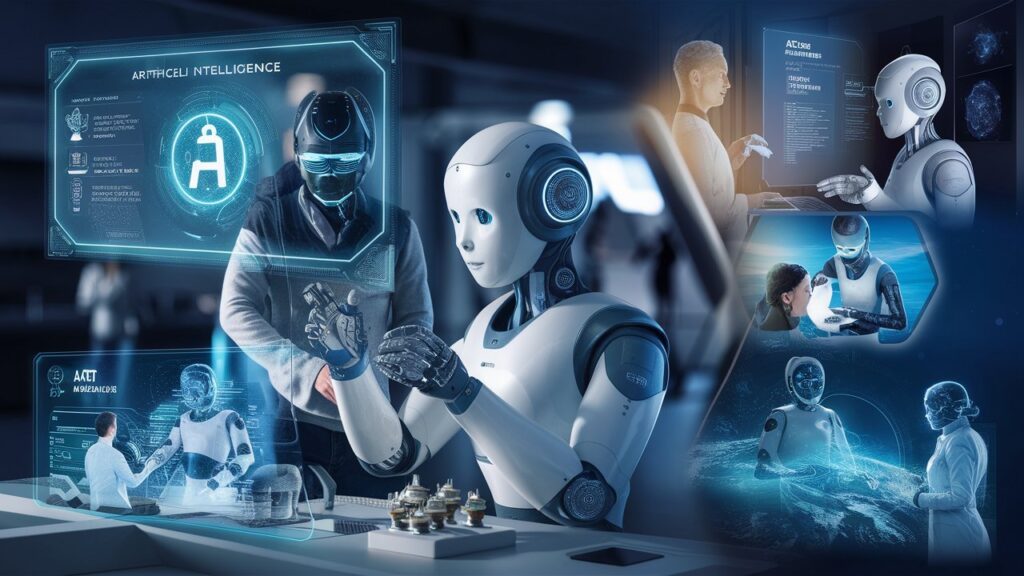
- Robotics: Robotics combines AI with physical machines to perform tasks ranging from industrial automation to personal assistance.

Applications of Artificial Intelligence
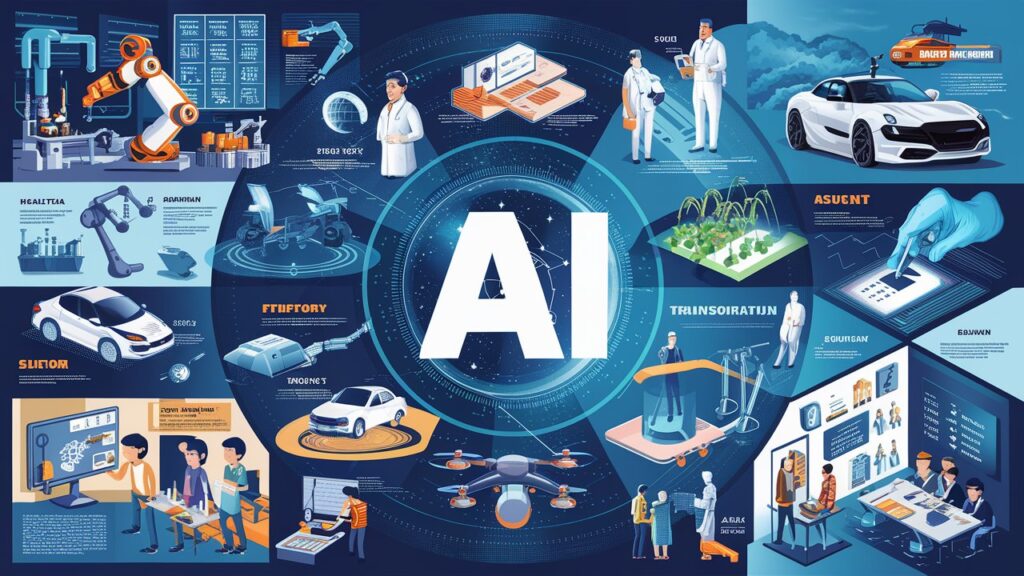
AI is not confined to one sector but spans various fields, transforming how we live and work. Here are some notable applications:
- Healthcare: AI assists in diagnosing diseases, personalizing treatment plans, and predicting patient outcomes. For instance, AI algorithms can analyze medical images more accurately than human radiologists in some cases.
- Finance: In finance, AI algorithms detect fraudulent transactions, automate trading, and provide personalized financial advice. They can analyze vast amounts of data to identify trends and make investment decisions.
- Retail: AI enhances customer experiences through personalized recommendations, chatbots for customer service, and inventory management systems that predict stock needs.
- Transportation: Autonomous vehicles rely on AI to navigate roads, interpret traffic signals, and make real-time driving decisions. AI also optimizes logistics and supply chain management.
Ethical Considerations and Challenges
As AI technology advances, ethical considerations become increasingly important. Key issues include:
- Bias and Fairness: AI systems can inherit biases present in their training data, leading to unfair outcomes. Ensuring fairness and eliminating bias is a significant challenge.
- Privacy: AI systems often require access to personal data. Protecting this data and ensuring privacy is crucial to maintaining public trust.
- Job Displacement: AI has the potential to automate many tasks, which could lead to job displacement. Balancing technological advancement with workforce impact is a complex issue.
The Future of Artificial Intelligence
The future of AI holds immense potential. As technology progresses, AI systems will become more capable and integrated into our daily lives. Innovations such as general AI—machines with human-like cognitive abilities—are on the horizon, though they pose both exciting opportunities and significant risks.
Also Read: Gimkit Home
How AI is Shaping the World Today
AI is not just about futuristic concepts but has a tangible impact on our daily lives. From personalized recommendations on streaming services to predictive text on our phones, AI systems are seamlessly integrated into the fabric of modern life.
Conclusion
Artificial Intelligence is a dynamic and rapidly evolving field with the power to revolutionize various aspects of society. Understanding its capabilities, applications, and challenges is crucial as we navigate this transformative technology. As AI continues to develop, its influence will undoubtedly grow, making it an essential area of interest for both current and future generations.
By delving into the world of AI, we gain insight into how these intelligent systems work and their profound impact on our world. Whether you’re a technology enthusiast or just curious about the future, AI is a topic that warrants attention and understanding.