4 Key Considerations for Braces for Teens
Is your teen ready for braces, but you’re not sure where to start? You’re not alone-many parents face the same mix of questions and concerns.
Choosing the right time and treatment can feel overwhelming, especially with so many options out there. This article breaks it down into simple, clear points so you can feel confident about the next steps.
From timing to teen-friendly choices, we’ll cover what truly matters. Because when it comes to your teen’s smile, every decision counts.
1. Timing Is Everything
Most teens get braces between the ages of 12 and 16. This is when most permanent teeth are in place. The jaw is still growing, which makes it easier to move teeth.
Early treatment can help prevent bigger problems later. If issues are caught soon, they are often easier to fix. Orthodontists use dental X-rays and exams to decide the best time.
Waiting too long can make braces harder to manage. The bones in the face become harder to shift with age. Starting on time leads to better and faster results.
2. Types of Braces Matter
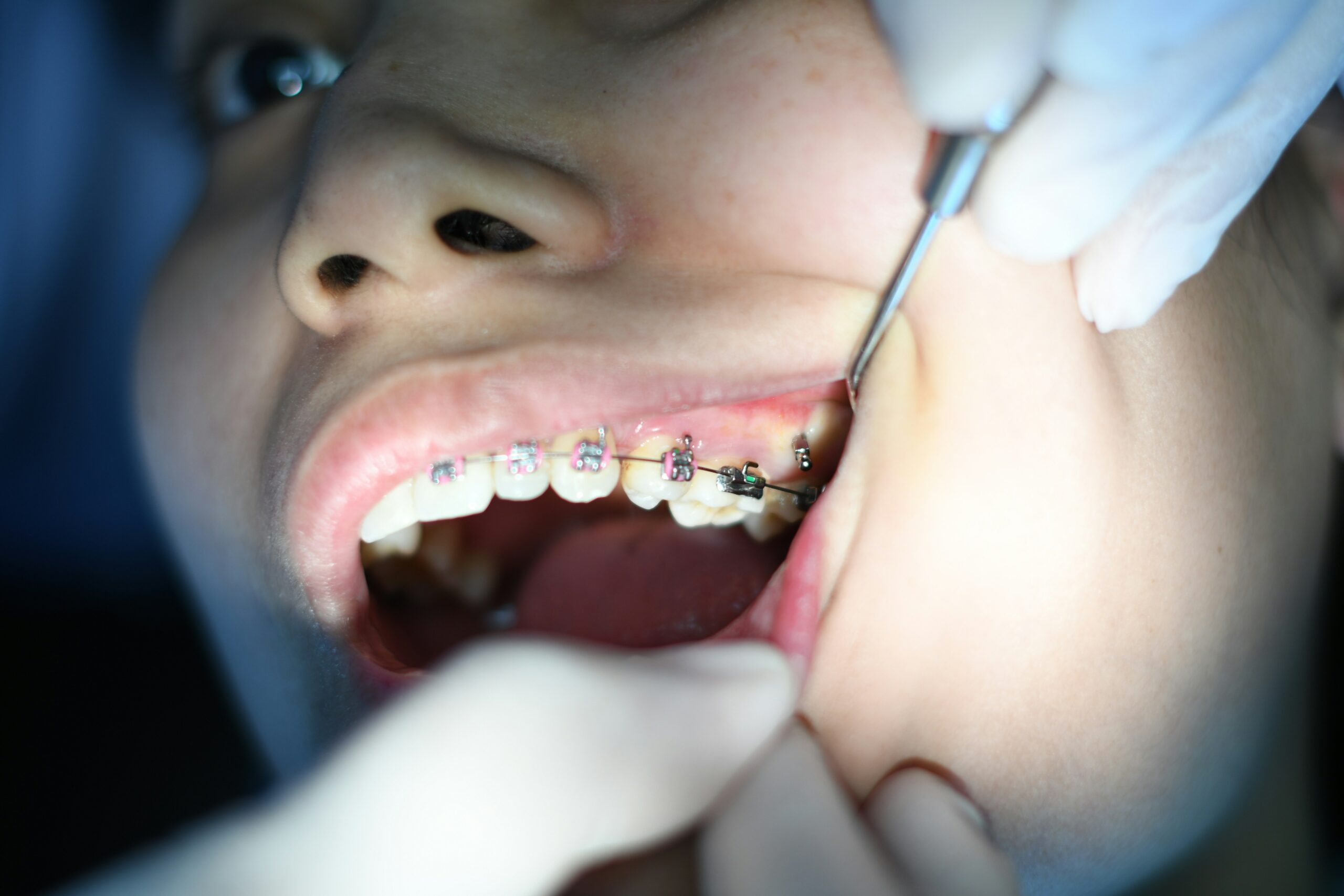
Metal braces are the most common type. They are strong, reliable, and work for most teens. Some teens like to pick colored bands to make them fun.
Ceramic braces work like metal ones but are less visible. They blend in with the teeth, which makes them more discreet. They can break more easily and often cost more.
Invisalign uses clear trays instead of wires and brackets. Teens must wear them for most of the day. These aligners can be removed for eating and brushing. With so many choices, it helps to understand the pros and cons of each. Braces for teens come in several styles, each suited to different needs and preferences.
3. Maintenance and Responsibility
Braces need extra care every day. Teens must brush and floss carefully to avoid stains and decay. Skipping this can lead to problems that delay treatment.
Food choices also matter with braces. Sticky or hard foods can damage wires and brackets. This means more trips to the orthodontist.
Appointments must be kept and instructions followed. Some teens may forget or avoid doing this. Good habits make treatment smoother and faster.
4. Emotional and Social Impact
Braces can change how a teen feels about their smile. Some may feel shy or embarrassed, especially at first. Support from family and friends helps them adjust.
Over time, most teens feel more confident. They get used to how braces look and feel. Compliments from others can boost their mood.
Wearing braces is a big change in daily life. Teens might miss certain foods or feel awkward while talking. Patience and encouragement go a long way.
Braces That Build Confidence One Smile at a Time
Braces can feel like a big step, both for teens and their parents. But with the right support and planning, the journey can be smoother than you think. It’s all about staying informed and involved throughout the process.
A confident smile doesn’t just happen-it’s built with care, time, and the right choices. And for many teens, that first step begins with braces.
Were you satisfied with the information in this article? If yes, our blog offers even more valuable resources.