











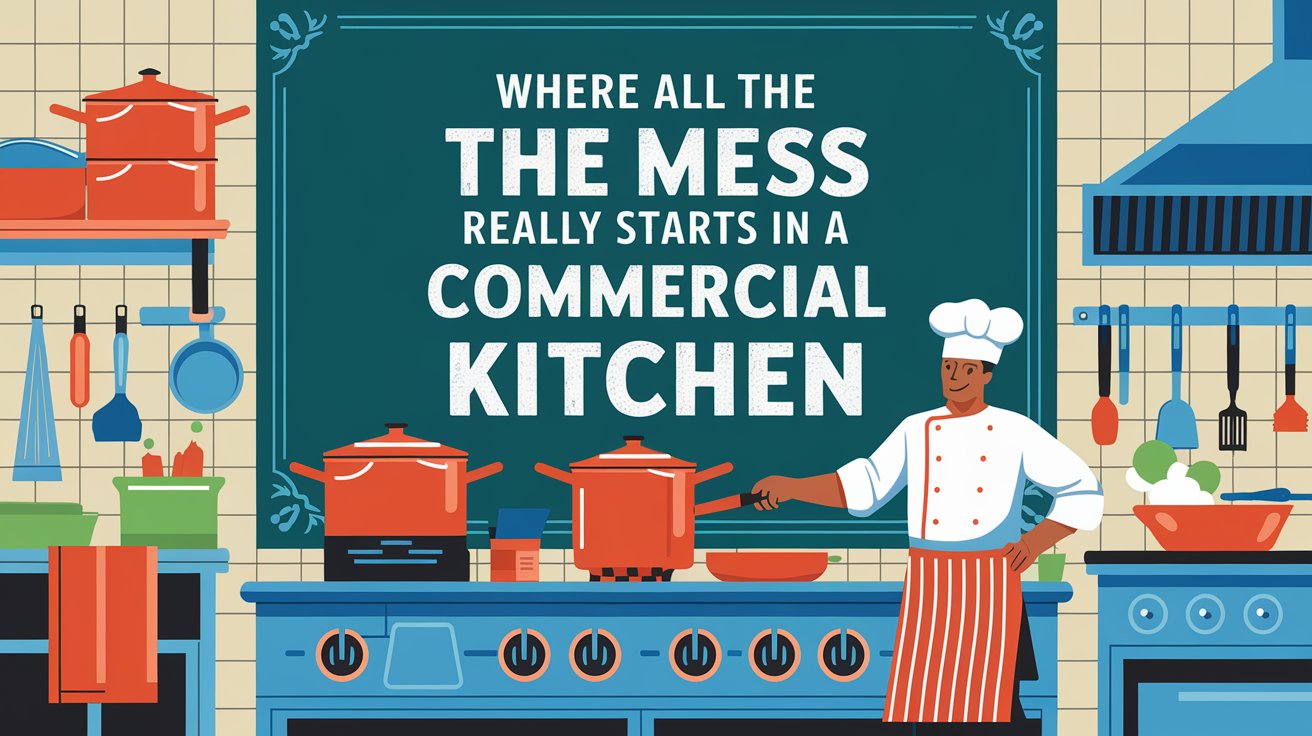
If you’ve ever seen the back of a restaurant during a rush, you know things can get messy fast. There’s steam, noise, people everywhere—and dishes. Piles of them. Dirty ones, clean ones, ones waiting to be put away. And while most people focus on the food and the cooking, a lot of the real mess starts somewhere else: the sink.
It sounds simple, right? Wash the dishes, stack them, move on. But in a commercial kitchen, the dish area is a huge part of whether things run smoothly or fall apart. It’s one of the first places that gets overwhelmed when things get busy. And if that part isn’t working right, it slows everything else down—even the parts that have nothing to do with dishes.
It’s Not Just About Dirty Plates
In a home kitchen, one or two dirty pans aren’t a big deal. But in a restaurant, the same spatula might need to be washed ten times an hour. The same bowl might get reused for prep over and over. So if someone’s waiting on a clean mixing bowl or tongs, and those are stuck in a sink full of soaking dishes, the line gets delayed.
That’s how the mess starts. It’s not just the food scraps or the sauce splatters—it’s when used stuff can’t get cleaned and reused fast enough. It backs up everything else. Cooks stop to wash their own tools. People bump into each other waiting for space. And suddenly, orders take longer.
Why the Sink Matters More Than You Think
Most people don’t think of sinks or taps as important tools. But in a kitchen, they’re a lot more than that. They’re part of the whole system that keeps everything moving.
If the pre-rinse area is slow or awkward, dishes pile up fast. That’s why a good setup—like having a powerful pre-rinse tap that’s easy to use—makes a difference. Same goes for the dishwasher. If it takes too long, doesn’t fit enough, or keeps breaking down, it’s not just annoying. It affects every station in the kitchen.
That’s why lots of places upgrade their sink setups first when they want to improve speed. Some turn to equipment suppliers like KEA to make sure they have the right tools in place. A few small changes in the wash area can actually save a ton of time over the course of a shift.
When the Clean-Up Area Slows Down, Everything Does
Imagine a line cook is about to prep a salad, but all the bowls are still dirty. Or someone needs to plate a dessert, but the plates are still wet from being washed. Even worse, a dirty pan has to be reused, but the dishwashing area is full, and the sink is clogged with food scraps.
Now multiply that by six or seven people trying to work at once.
That’s what happens when the wash area gets jammed up. It’s not just about getting things clean. It’s about how fast you can go from “used” to “ready again.” If that part’s broken or too slow, the rest of the kitchen ends up waiting on it. And in a busy place, waiting isn’t really an option.
It Also Affects Safety and Sanitation
Cleanliness is a huge deal in any commercial kitchen. You can’t just rinse something quickly and call it done. Health rules are strict for a reason. Dirty tools or dishes that don’t get cleaned all the way can lead to food safety problems, and nobody wants that.
But if the cleaning area isn’t working well, staff might cut corners without meaning to. Like reusing something that isn’t fully dry, or skipping a rinse because there’s a line forming behind them. The risk of cross-contamination goes up, and that can cause serious issues.
That’s another reason why the dish area matters so much. When it’s set up right, it helps people do things properly—without slowing them down. That means safer food, cleaner tools, and a better rhythm for the whole kitchen.
What a Good Setup Actually Looks Like
A well-planned dish area doesn’t need to be fancy. It just needs to work.
That usually means having a deep sink with enough space to handle big pots and trays. A pre-rinse tap that can blast off food without wasting water. And a dishwasher that fits the space and keeps up with the pace of the kitchen.
It also helps to have room to move—like a spot to stack dirty stuff, and another for clean. Sounds basic, but without that kind of setup, it turns into chaos fast. People get in each other’s way, clean stuff touches dirty stuff, and the whole area becomes a traffic jam.
Why It’s Worth Fixing
If a restaurant is struggling with slow service, it’s easy to look at the menu, the staff, or the cooking equipment. But sometimes the issue is hiding in plain sight—right by the sink.
Fixing the wash area isn’t always the most exciting upgrade, but it might be the most useful. It speeds up prep, helps the staff stay organized, and keeps the kitchen cleaner overall. Plus, it makes everyone’s job a little easier, which matters when the pressure’s on.
Even small changes, like replacing a weak tap or switching to a faster dishwasher, can make a big difference.
What to Keep in Mind
The cleanup area might not be the first thing people think about when it comes to running a kitchen. But it’s one of the most important spots behind the scenes. When it works well, the whole kitchen moves faster, feels cleaner, and stays safer.
If it’s not working, everything gets harder—even if the cooking side is perfect.
So the next time things feel off in the kitchen, it might be worth looking at where the mess really starts. Because sometimes, the biggest problems begin with the smallest tools.