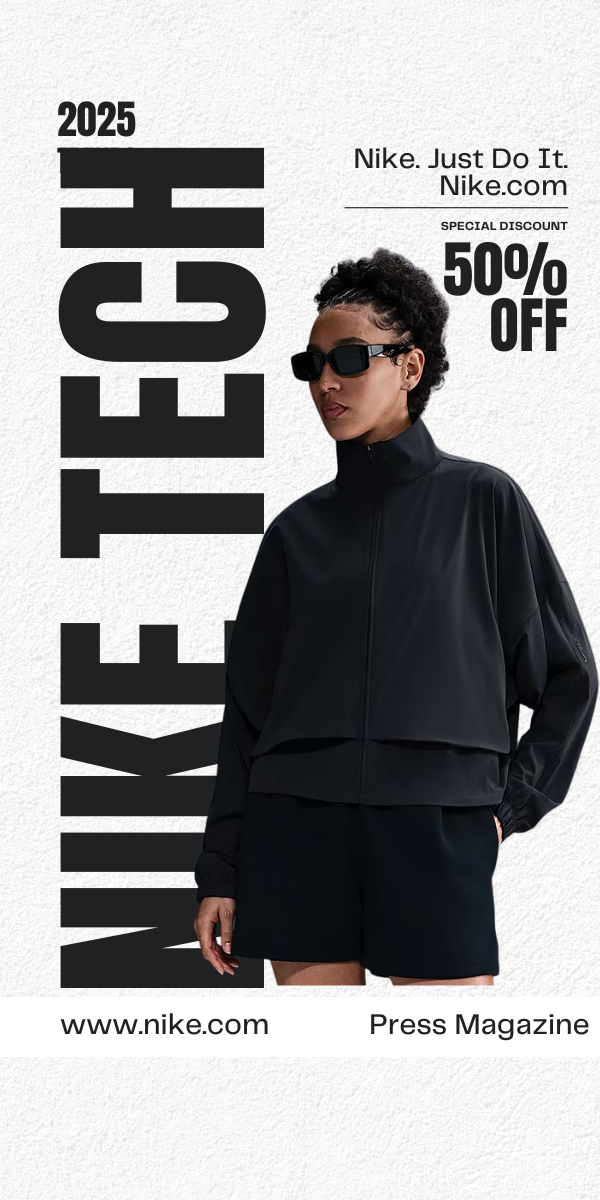












In the world of fashion, virtual try-on technology and AI outfit generators have revolutionized the way we shop for clothes. With e-commerce rapidly growing, these innovative tools are making it easier for consumers to visualize themselves in different outfits without physically trying them on. While these technologies share some similarities, they have key differences that can affect the shopping experience.
In this article, we’ll explore the distinctions between virtual try-on and AI outfit generators, how they work, and the benefits of each for both shoppers and retailers. We’ll also highlight the significance of these technologies in shaping the future of fashion e-commerce.
What is Virtual Try-On Technology?
Virtual try-on technology allows consumers to “try on” clothes digitally by using their smartphone, tablet, or computer. Through augmented reality (AR) or 3D rendering, virtual try-on systems simulate how an outfit will look on a person’s body. This technology eliminates the need for physical interaction with the clothing, making the online shopping experience more convenient.
With virtual try-on, users can upload a photo of themselves or use a 3D model to virtually “wear” the clothing. The system then overlays the outfit on the user’s image, giving them a realistic preview of how the garment will look and fit. This technology works especially well with clothing, accessories, and even eyewear.
The benefits of virtual try-on include:
- Real-time feedback: Users can instantly see how a piece of clothing looks on them.
- Accurate fit representation: By using body scanning, virtual try-on can show how clothes fit on a person’s body shape.
- Enhanced shopping experience: Consumers feel more confident in their purchases, reducing the chances of returns.
To see this in action, you can check out virtual try on clothes on platforms like SellerPic, which integrate this tool into their fashion e-commerce solutions.
How to Use SellerPic Virtual Try-On Clothes in 3 Easy Steps
Step 1: Upload Your Product Photo
Start by uploading a clear, high-resolution product photo to the SellerPic Virtual Try-On tool. For best results, use front-facing images with plain backgrounds and clean outlines. The AI automatically detects garment details—like fabric texture, shape, and drape—to ensure a natural and accurate fit. This step helps SellerPic generate a precise virtual representation of how your clothing will look when worn.
Step 2: Choose a Model
Next, select a model or avatar that reflects your target customer’s body type, size, or style preference. You can browse through SellerPic’s AI-generated models or upload your own image for a more personalized experience. The system uses advanced AI fitting algorithms to map your garment onto the model’s frame, adjusting proportions, lighting, and angles for a realistic and professional virtual try-on result.
Step 3: See It Instantly
In just seconds, SellerPic’s AI try-on technology will render your product on the chosen model—showing an instant, lifelike fit. Review how the clothing drapes, moves, and aligns before publishing. Whether you’re an eCommerce brand, fashion retailer, or designer, this virtual try-on feature helps you visualize your products more effectively, engage shoppers, and reduce size-related returns.
Understanding AI Outfit Generators
An AI outfit generator is a tool that uses artificial intelligence to recommend outfits based on various inputs such as the user’s style preferences, body type, weather, and occasion. Rather than simply overlaying clothes on a body image, the AI outfit generator suggests complete outfits by analyzing trends, colors, and patterns that are most likely to suit the individual.
AI outfit generators leverage machine learning algorithms to understand style and fashion trends. These tools learn from user feedback, improving over time to offer increasingly personalized recommendations. Some AI systems even integrate with online shopping platforms to suggest items directly to consumers, streamlining the buying process.
Key features of AI outfit generators:
- Personalized styling: The AI suggests outfits that align with individual preferences.
- Seamless integration with e-commerce: AI outfit generators often provide direct purchase links, enhancing the shopping experience.
- Time-saving: AI-generated outfit combinations save users the hassle of picking individual pieces.
For a deeper dive into how AI can help with outfit generation, explore AI outfit generator tools that integrate fashion tech to create personalized outfits for any occasion.
Key Differences Between Virtual Try-On and AI Outfit Generators
While both technologies are aimed at improving the online shopping experience, they serve slightly different purposes.
1. Purpose:
- Virtual Try-On: Primarily focused on helping users see how a single item of clothing will look on them. It’s about visualizing how a piece fits and complements their body.
- AI Outfit Generator: Offers a complete, curated outfit based on user preferences. It’s about creating a full look, often combining various items to suit a particular style or occasion.
- AI Outfit Generator: Offers a complete, curated outfit based on user preferences. It’s about creating a full look, often combining various items to suit a particular style or occasion.
2. Technology Used:
- Virtual Try-On: Uses AR, 3D rendering, and body scanning to fit clothes onto a user’s body image. This offers a more realistic representation of how the clothing will look and feel in real life.
- AI Outfit Generator: Uses machine learning to predict what will suit a user best, based on data like personal preferences, weather conditions, and style trends. It doesn’t just show one item but rather provides a complete wardrobe suggestion.
- AI Outfit Generator: Uses machine learning to predict what will suit a user best, based on data like personal preferences, weather conditions, and style trends. It doesn’t just show one item but rather provides a complete wardrobe suggestion.
3. User Interaction:
- Virtual Try-On: Users interact with the tool by uploading their photo or using a 3D avatar. The system then displays how specific clothes fit and look on them.
- AI Outfit Generator: Involves selecting preferences or even just clicking through various outfit suggestions. Users don’t need to upload any images but may be asked to provide details about their fashion style or preferences.
- AI Outfit Generator: Involves selecting preferences or even just clicking through various outfit suggestions. Users don’t need to upload any images but may be asked to provide details about their fashion style or preferences.
4. Fit Accuracy:
- Virtual Try-On: Since it relies on accurate body scanning, the fit is highly specific and realistic. This is beneficial for consumers who want to ensure that the garment will fit before making a purchase.
- AI Outfit Generator: Focuses more on the aesthetic combination of items rather than fit. It’s about providing a stylish, cohesive outfit rather than visualizing an individual garment.
Marketplaces and Use Cases
Marketplaces
- Amazon, Walmart: Improve PDPs and A+ content to reduce size uncertainty and increase conversion.
- eBay, Etsy: Use realistic try-ons to make vintage and handmade products stand out.
- Zalando, ASOS Marketplace: Test try-ons with fashion-forward audiences to gauge conversion lift.
- Shopify, WooCommerce: Embed try-on visuals on product and collection pages; reuse them in ads or email marketing.
- Social Commerce (Instagram, TikTok, Pinterest): Convert try-on renders into shoppable content like Reels, Stories, and Pins.
Use Cases
- DTC Brands: Launch new collections with realistic fit previews to boost first-time buyer confidence.
- Fast Fashion / Dropshipping: Showcase large catalogs on diverse models for faster time-to-market.
- Accessories / Eyewear: Demonstrate size and styling while promoting complementary products.
- Occasion Styling: Combine AI outfit generation with VTO for themed looks such as weddings or interviews.
- Size-Inclusive Merchandising: Feature items on varied body types to broaden appeal and reduce return rates.
- Returns Reduction: Use try-on visuals with detailed sizing and reviews to prevent size bracketing.
- Creator / Affiliate Campaigns: Offer virtual try-on assets to influencers for authentic promotions.
- Seasonal / Regional Campaigns: Re-style existing items quickly for different climates or trends.
How Do Virtual Try-On and AI Outfit Generators Benefit Fashion E-Commerce?
Both virtual try-on and AI outfit generators are becoming increasingly essential for fashion retailers. They enhance the customer experience, boost sales, and reduce return rates, which are common in online fashion shopping.
1. Increased Consumer Confidence: Both tools help consumers feel more confident about their purchases. Virtual try-ons allow users to see how items will look on them, while AI outfit generators offer stylish suggestions that customers can trust.
2. Reduced Return Rates: Returns are costly for e-commerce businesses, particularly in the fashion industry. By providing a more accurate representation of how clothing will look and fit, these technologies help minimize the likelihood of returns.
3. Enhanced Personalization: AI outfit generators offer personalized shopping experiences by recommending complete outfits based on user preferences, body type, and occasion. This creates a more tailored experience, encouraging repeat purchases.
4. Boosting Engagement: Offering interactive tools like virtual try-on and AI outfit generators can increase customer engagement. Shoppers are more likely to spend time on a site that offers these innovative technologies, which can lead to more conversions.
Conclusion
Both virtual try-on technology and AI outfit generators are changing the landscape of online fashion shopping. They provide immense value to both consumers and retailers by offering personalized, engaging experiences that reduce returns and increase customer satisfaction.
As these technologies evolve, they will continue to play a pivotal role in enhancing the online shopping journey. For fashion brands, integrating these tools can lead to improved customer loyalty, higher sales, and a more innovative brand image.
For those looking to enhance their shopping experience, check out the virtual try on clothes or explore the powerful features of an AI outfit generator to experience the future of fashion e-commerce firsthand.
FAQs
Q1: What is the difference between virtual try-on and AI outfit generators?
A1: Virtual try-on technology focuses on showing how a single item will look on the user, often using body scanning and AR. AI outfit generators, on the other hand, recommend complete outfits based on the user’s style, body type, and occasion.
Q2: Are virtual try-on tools accurate in predicting fit?
A2: Yes, virtual try-on tools are quite accurate, especially those that use body scanning technology. They give users a realistic preview of how clothes will fit on their body.
Q3: How does AI outfit generation work?
A3: AI outfit generators use machine learning algorithms to analyze data such as style preferences, body type, and weather conditions to suggest complete outfits. These tools learn from user interactions and improve over time.
Q4: Can virtual try-on technology be used for all clothing types?
A4: Virtual try-on can be used for a wide variety of clothing types, including tops, dresses, jackets, and accessories. However, the technology works best for garments that are clearly visible, like outerwear and shirts.
Q5: What are the benefits of using AI for fashion recommendations?
A5: AI helps with personalized styling, provides outfit suggestions, and predicts fashion trends. It saves time and enhances the shopping experience by suggesting combinations that suit the user’s personal style.