












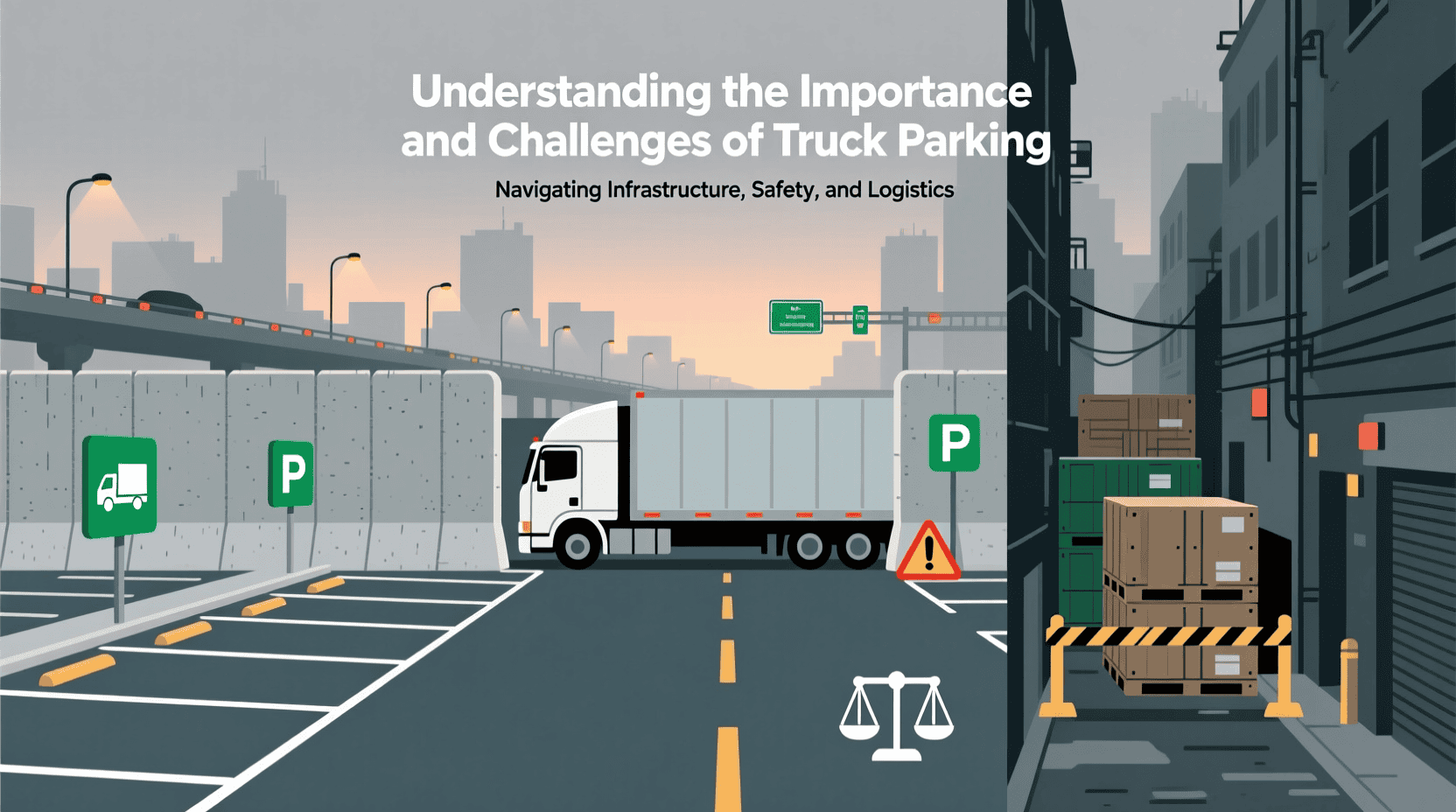
In the complex and ever-growing world of freight transportation, one critical issue remains a persistent challenge for drivers, fleet managers, and the logistics industry: truck parking. The availability, safety, and convenience of parking spaces for commercial trucks play a significant role in the efficiency of supply chains, the well-being of drivers, and the overall safety of the roads.
This article dives deep into why truck parking matters, the challenges the industry faces, and the evolving solutions that aim to improve this crucial aspect of trucking.
The Vital Role of Truck Parking in Freight Transportation
Truck parking might seem like a straightforward necessity, but its implications stretch far beyond simply finding a place to park at the end of a long drive.
Safety and Driver Health
Driving a commercial truck requires long hours on the road, often leading to fatigue and stress. Regulatory bodies enforce mandatory rest periods to reduce fatigue-related accidents. However, without sufficient parking spaces, drivers may struggle to find safe locations to rest, potentially leading to illegal parking or skipped breaks. This jeopardizes both driver health and public safety.
Regulatory Compliance
Governments enforce strict Hours of Service (HOS) regulations, limiting the number of hours a driver can be on the road without resting. Access to proper parking enables drivers to comply with these regulations. Lack of available parking spots can inadvertently lead to violations, risking fines and license suspensions.
Operational Efficiency and Cost Savings
For trucking companies, efficient truck parking translates to better route planning, reduced idle time, and lower fuel costs. When drivers waste hours searching for parking, deliveries can be delayed, leading to increased operational expenses and decreased customer satisfaction.
Challenges That Impact Truck Parking Availability
Despite its importance, many regions face ongoing challenges that complicate truck parking.
Insufficient Parking Capacity
The demand for truck parking spaces often exceeds supply. The growth in e-commerce and freight shipping means more trucks on the road, but parking infrastructure has not scaled at the same rate. Many rest stops and commercial parking lots fill quickly, leaving drivers searching for alternative, sometimes unsafe, spots.
Security Issues
Trucks often carry valuable cargo and expensive equipment, making them attractive targets for theft or vandalism. Parking areas without proper lighting, fencing, or surveillance create risky environments that can jeopardize drivers’ property and safety.
Accessibility and Infrastructure Limitations
Many existing truck parking facilities are located far from major highways or distribution centers, complicating access and adding time to drivers’ routes. Additionally, some parking lots are not designed to accommodate larger trucks or modern trailers, limiting usability.
Lack of Real-Time Information
Drivers frequently face uncertainty about parking availability due to limited technology integration. Without real-time data or reservation systems, trucks may circle multiple lots or rest areas searching for a spot, wasting valuable time and fuel.
Innovations and Solutions Improving Truck Parking
The industry is actively seeking ways to address these challenges through innovative solutions.
Dedicated Truck Parking Lots with Enhanced Facilities
New parking facilities designed specifically for trucks provide ample space, heavy-duty pavement, and amenities such as restrooms, showers, and dining options. These lots incorporate security features like surveillance cameras and staffed patrols to protect drivers and cargo.
Real-Time Parking Availability Technology
Mobile applications and connected vehicle platforms now offer real-time information on parking availability, enabling drivers to plan stops ahead of time and reserve spaces when possible. This technology reduces cruising time and enhances route planning.
Public-Private Partnerships
Collaborations between government agencies and private companies help fund the development and maintenance of truck parking facilities. These partnerships ensure parking areas meet regulatory standards and the evolving needs of the trucking community.
Integration of Truck Parking in Logistics Software
Modern fleet management systems increasingly incorporate truck parking data, allowing dispatchers and drivers to coordinate rest stops efficiently. This integration helps ensure compliance with regulations and optimizes delivery schedules.
Best Practices for Drivers and Fleet Operators
Maximizing the benefits of truck parking requires proactive approaches from those on the road and behind the scenes.
Planning Ahead
Drivers should utilize available apps and resources to identify and reserve parking spaces before hitting the road or approaching rest breaks. Early planning minimizes stress and avoids last-minute searches.
Communication
Open communication between drivers and fleet managers can help anticipate parking needs and adjust routes or schedules accordingly. This coordination ensures that drivers can rest safely and meet delivery deadlines.
Prioritizing Safety
Both drivers and companies should prioritize parking locations with security measures in place. Avoiding risky parking spots protects both personnel and cargo.
Advocating for Improved Infrastructure
Industry stakeholders can work together to advocate for increased investment in truck parking facilities and infrastructure improvements.
The Future of Truck Parking
Looking ahead, advancements in technology and infrastructure promise to reshape truck parking experiences.
Smart Parking Solutions
The use of sensors, cameras, and artificial intelligence in parking lots can monitor occupancy, provide real-time updates, and manage traffic flow within parking areas. These smart systems optimize space usage and reduce congestion.
Autonomous Vehicle Integration
As autonomous trucks become more prevalent, specialized parking facilities designed to support automated parking and charging will emerge, improving efficiency and safety.
Environmental Considerations
Sustainable truck parking solutions, including electric vehicle charging stations and solar-powered lighting, are increasingly incorporated into new developments, aligning with broader environmental goals.
Conclusion
Truck parking is a critical element in the transportation ecosystem, influencing safety, compliance, and operational success. Though challenges like limited capacity, security concerns, and infrastructure gaps persist, emerging technologies and collaborative efforts offer promising improvements.
By understanding the importance of truck parking and engaging with innovative solutions, drivers and fleet operators can enhance safety, efficiency, and satisfaction within the industry. The continued focus on this often-overlooked issue will play a vital role in supporting the growing demands of freight transportation worldwide.