












Sports have long been a vital part of British culture, offering opportunities for recreation, fitness, and community bonding. However, the financial barriers to entry can vary significantly depending on the sport. Some activities require minimal equipment or resources, while others involve hefty upfront costs and ongoing expenses. This article delves into the most expensive and inexpensive sports played in the UK, exploring the financial aspects of participation and the broader impact on accessibility.
Understanding the Cost of Participation in Sport
The costs associated with sports can be divided into several categories, including equipment, facility access, coaching, travel, and competition fees. While some sports thrive on simplicity and affordability, others demand significant investment, often limiting access to those with the means to afford them.
For families, the financial implications can influence their decision when introducing children to sports, while for individuals, these considerations can determine whether a sport is pursued recreationally or competitively.
Expensive Sports in the UK
Motocross: A Thrill With High Costs
Motocross, an adrenaline-fuelled motorsport, stands out as one of the most expensive sports in the UK. The financial burden begins with purchasing a bike, which can range from a few thousand pounds for a beginner model to over £10,000 for a competitive setup. Maintenance is another significant cost, as bikes require regular servicing and replacement parts due to the wear and tear of off-road racing.
Additionally, riders need specialised safety gear, including helmets, boots, and body armour, which can cost several hundred pounds. Entry fees for competitions, travel expenses, and training at dedicated motocross tracks further add to the financial commitment. Despite the costs, motocross remains a popular choice for thrill-seekers drawn to its high-energy nature and competitive atmosphere.
Equestrian Sports: Riding High on Expenses
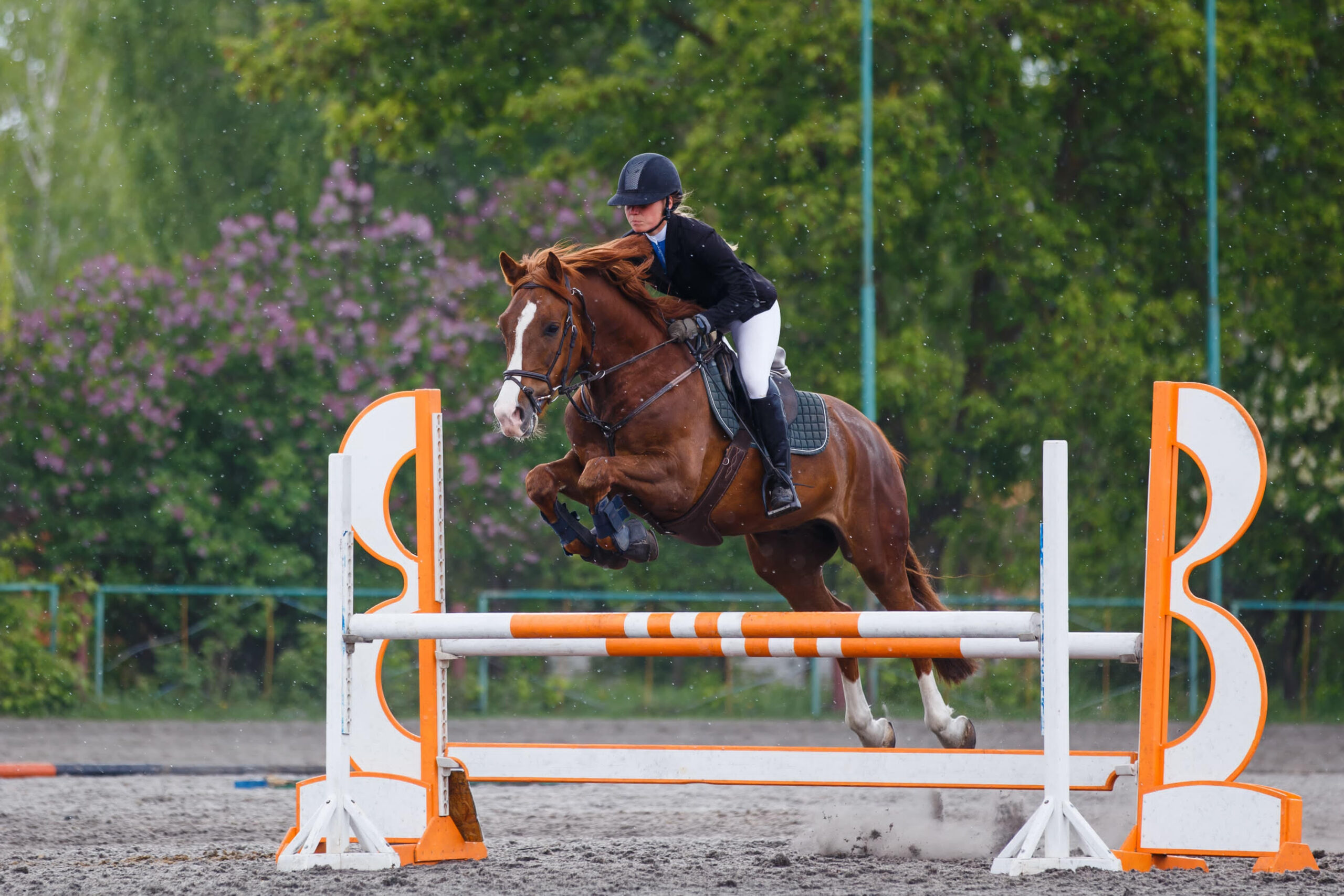
Equestrian activities, including show jumping, dressage, and horse racing, are synonymous with prestige and high costs. Beyond the initial investment in a horse, which can cost thousands to tens of thousands of pounds depending on its breed and training, there are ongoing expenses such as stabling, feed, veterinary care, and insurance.
Participation in equestrian events requires specialised equipment like saddles, bridles, and riding attire, which can cost a small fortune. The logistics of transporting horses to competitions also add to the financial burden. Despite these challenges, equestrian sports remain a cherished pastime for many, combining athleticism with a deep connection to animals.
Golf: More Than a Gentle Walk
Golf is often associated with luxury and exclusivity, and its costs reflect this reputation. Membership fees at prestigious golf clubs can run into the thousands annually, with additional costs for green fees, equipment, and clothing.
High-quality golf clubs and accessories are essential for serious players, with custom sets easily costing over £1,000. While public courses and beginner options are available, the competitive and social aspects of the sport often encourage investment in premium experiences.
Affordable Sports in the UK
Football: The People’s Game
Football, known as the “beautiful game,” is one of the most accessible sports in the UK. A simple ball and a flat playing surface are all that’s needed to enjoy a game with friends or family. Community pitches and parks provide free or low-cost venues for casual play, and many schools include football in their physical education programmes, ensuring widespread access.
At the grassroots level, participation costs are minimal, although joining a club might involve modest fees for kits and training. While professional-level football comes with significant financial demands, the sport’s accessibility and popularity make it an integral part of British culture.
Rugby: Affordable and Community-Focused
Rugby shares football’s accessibility, particularly at the amateur level. Clubs across the UK welcome players of all ages and abilities, often providing equipment and facilities at a low cost.
Unlike sports such as golf or equestrianism, rugby’s emphasis on teamwork and community often results in subsidies or fundraising efforts to support young players. Basic safety gear like boots and mouth guards are relatively inexpensive, making rugby a sport that balances inclusivity with competitive spirit.
Running: Fitness Without the Expense
Running is perhaps the most affordable sport in the UK, requiring no more than a good pair of running shoes. Public parks, city streets, and countryside trails offer endless opportunities for free exercise, and events like park runs are widely available without cost.
For those looking to compete, entry fees for races such as 10Ks or marathons are relatively modest compared to other sports. Running’s low barrier to entry makes it a popular choice for individuals seeking fitness, mental well-being, and social connection.
Factors Influencing the Cost of Sport
Equipment Requirements
The level of equipment needed is a key determinant of a sport’s cost. While football only requires a ball, sports like golf and motocross involve significant investment in specialised gear. Equipment quality can also vary widely, with competitive players often opting for high-end options that come with premium price tags.
Venue Accessibility
The availability and cost of venues can greatly impact a sport’s affordability. Public spaces like parks and community centres make sports like football and running accessible, while private facilities for tennis, squash, and golf may require costly memberships or booking fees.
Training and Coaching
Professional coaching and training can elevate a player’s skill level but often come with substantial costs. In sports like equestrianism and golf, high-quality coaching is almost a necessity for competitive success, whereas casual players in football or rugby can rely on community coaches and self-guided practice.
Travel and Competition
Competitive sports often involve travel expenses, from local matches to international tournaments. While running events and amateur rugby games are typically local, motocross races and equestrian competitions might necessitate long-distance travel, significantly increasing the financial burden.
Balancing Costs and Benefits
The Value of Grassroots Initiatives
Grassroots programmes play a crucial role in making sports accessible to all, regardless of financial circumstances. Initiatives that provide free or subsidised equipment, coaching, and facilities can open doors for individuals who might otherwise be excluded due to cost.
Football and rugby are prime examples of sports that benefit from strong grassroots networks, ensuring that talent development isn’t limited by financial barriers. These programmes not only promote physical fitness but also foster community engagement and social inclusion.
The Role of Sponsorship and Funding
Sponsorships and funding can offset the costs associated with more expensive sports, particularly for young athletes with potential. Many clubs and organisations work to secure financial support for equipment, training, and travel, enabling wider participation in sports like golf and equestrianism.
Choosing the Right Sport
For individuals and families, the decision to pursue a particular sport often comes down to balancing passion with practicality. While some might be drawn to the prestige and excitement of motocross or equestrianism, others may prioritise the affordability and social benefits of football, rugby, or running.
The Broader Impact of Sports Accessibility
The financial accessibility of sports has a profound impact on public health, community cohesion, and social mobility. Affordable sports like football and running encourage widespread participation, promoting physical activity and mental well-being. On the other hand, the exclusivity of expensive sports can create barriers that limit diversity and inclusivity.
Efforts to reduce these barriers, such as community funding, accessible venues, and inclusive programmes, are essential for ensuring that everyone can enjoy the benefits of sport, regardless of their financial situation.
Bringing People Together…
The UK boasts a diverse sporting landscape, ranging from the simplicity of running to the high costs of motocross and equestrian sports. While some activities demand significant financial investment, others remain accessible to all, highlighting the importance of balancing affordability with ambition.
Ultimately, the true value of sport lies in its ability to bring people together, fostering health, happiness, and a sense of community. By addressing financial barriers and supporting grassroots initiatives, the UK can ensure that sport remains an inclusive and integral part of its cultural identity.