










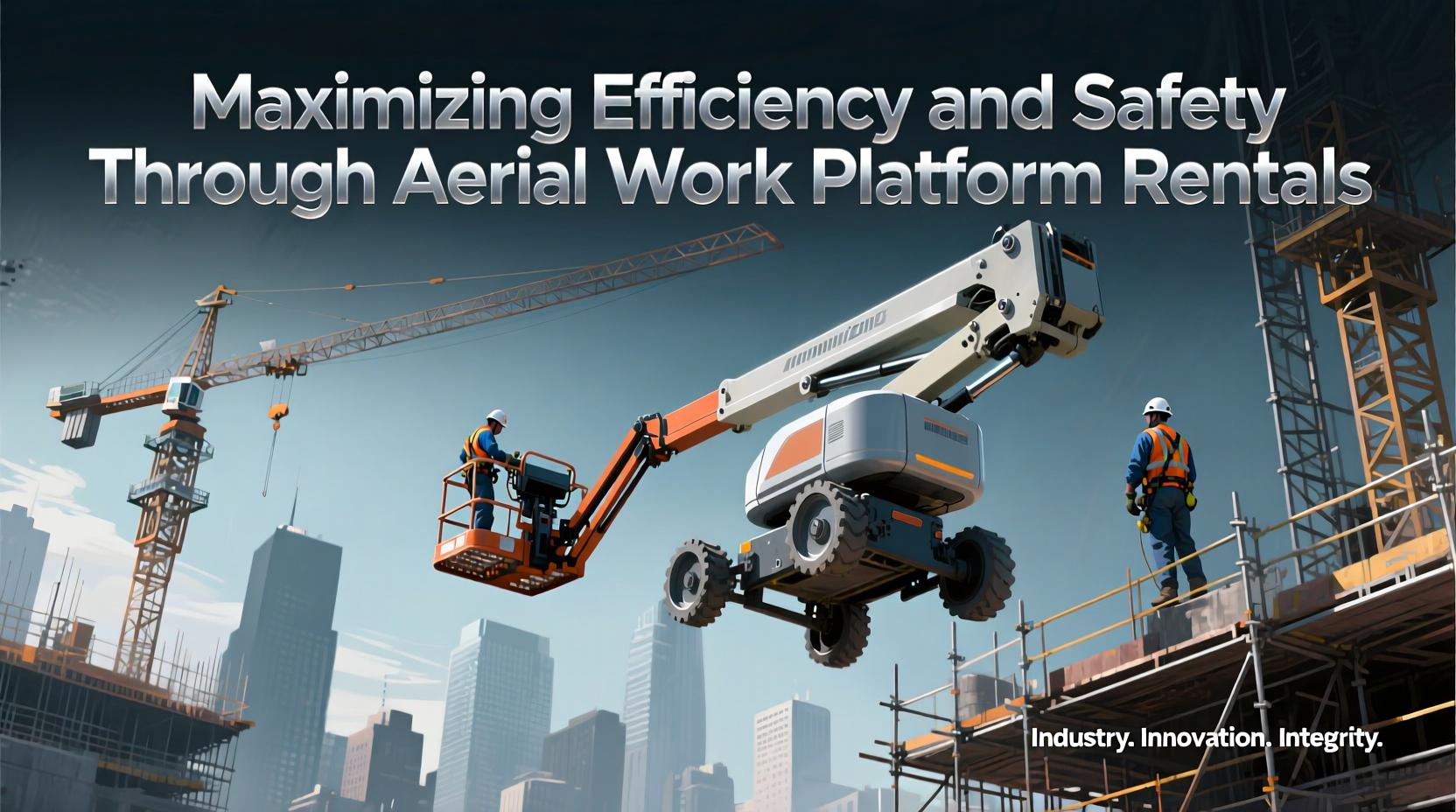
In today’s fast-paced industrial and construction sectors, efficiency, safety, and cost-effectiveness are top priorities. Working at height, whether for maintenance, installation, or construction, poses unique challenges that require the right equipment. One of the most practical solutions for these tasks is the use of aerial work platforms—specifically, the scissor lift.
Scissor lifts have become indispensable tools across a wide range of industries. They offer a stable, elevated working surface that enhances both productivity and safety. However, not every business can justify the cost of ownership, especially for short-term or infrequent use. That’s where the rental model becomes a smart, flexible, and economical choice for many operations.
This article explores the ins and outs of aerial work platform rentals, focusing on the benefits, types, operational considerations, and cost-saving strategies involved in choosing a scissor lift rental.
What Is a Scissor Lift?
A scissor lift is a type of mobile elevated work platform (MEWP) that provides vertical access to heights through a mechanism that extends in a crisscross, or “scissor” pattern. Unlike boom lifts, which offer both vertical and horizontal reach, scissor lifts move only up and down. This makes them ideal for tasks where workers need direct overhead access rather than extended reach.
These lifts are widely used in industries such as:
- Construction
- Building maintenance
- Warehousing and logistics
- Retail and commercial installations
- Events and entertainment setups
They come in various sizes and power types, including electric models for indoor use and diesel-powered units for rugged, outdoor environments.
Why Choose Rental Over Ownership?
Buying a scissor lift may make sense for businesses that use the equipment daily. But for many companies, especially small to mid-sized operations or those handling temporary projects, renting offers more flexibility and financial sense.
1. Cost Savings
Owning equipment involves significant upfront investment, ongoing maintenance costs, insurance, storage, and depreciation. Rental eliminates these long-term financial commitments. Instead, companies pay only for the time they need the machine, whether it’s a few days, weeks, or months.
2. Access to Latest Models
Rental providers typically offer well-maintained, up-to-date machines equipped with the latest safety features and technology. This ensures workers use reliable and efficient equipment without the need for regular capital upgrades.
3. No Maintenance Hassles
Maintenance and repair can be time-consuming and costly. Rental agreements often include routine servicing and emergency support, reducing downtime and freeing up internal resources.
4. Flexible Options
Projects often change in scope. With a rental model, companies can switch between different lift types or sizes as the job demands. This flexibility helps optimize workflow and efficiency.
When to Consider Scissor Lift Rental
There are several scenarios in which renting a scissor lift is the most logical solution:
- Short-term projects: Ideal for contractors or teams handling seasonal or one-off jobs.
- Remote or multiple job sites: Renting locally allows teams to access equipment where and when they need it, without the need for transportation logistics.
- Specialty tasks: For tasks requiring specific features such as narrow platforms, increased lift heights, or rough-terrain capability.
- Budget constraints: For businesses needing to manage cash flow or stay within tight budgets, rentals help avoid large capital expenditures.
Types of Scissor Lifts Available for Rent
Scissor lifts are available in a range of sizes, designs, and power sources to accommodate different job site conditions and requirements.
1. Electric Scissor Lifts
These are best suited for indoor use due to their quiet operation and zero emissions. They typically offer lift heights between 19 to 32 feet and are ideal for tasks such as ceiling installations, maintenance, and shelving.
Features:
- Compact design for tight spaces
- Non-marking tires for indoor flooring
- Lower weight for use on delicate surfaces
2. Rough Terrain Scissor Lifts
Powered by diesel, gas, or hybrid engines, these lifts are designed for outdoor use on uneven or challenging surfaces. They usually feature 4WD, outrigger support, and higher ground clearance.
Features:
- Platform heights up to 50+ feet
- Enhanced stability on uneven terrain
- Larger platforms for multiple workers and tools
3. Micro and Compact Scissor Lifts
Smaller than standard models, these lifts are ideal for navigating narrow aisles or doorways. They’re popular in facilities maintenance, retail environments, and indoor warehouses.
Features:
- Extremely narrow design
- Low platform heights (under 20 feet)
- Easy transport and maneuverability
Key Considerations Before Renting
To get the most value from a scissor lift rental, it’s essential to evaluate your needs and job site conditions carefully.
1. Lift Height and Platform Size
Determine how high you need to reach and how much platform space is necessary. Will more than one worker be using the platform? Are tools and materials required at height?
2. Weight Capacity
Every lift has a maximum load capacity, including workers and materials. Exceeding this can be dangerous and may damage the equipment.
3. Work Environment
Indoor or outdoor? Flat surface or rough terrain? Tight access or open construction site? The answers to these questions will help determine the type and power source of the lift you need.
4. Rental Duration
Short-term rentals are typically priced by the day or week, while long-term arrangements can offer better rates. Consider your project timeline when negotiating with rental providers.
5. Operator Training
Only trained personnel should operate scissor lifts. Some rental companies offer optional operator certification or training resources. Compliance with safety regulations such as OSHA or other regional safety standards is crucial.
Safety Tips for Scissor Lift Use
While scissor lifts are generally safer than ladders or scaffolding, proper safety measures must always be in place.
- Always perform a pre-use inspection for mechanical issues, leaks, tire pressure, and operational controls.
- Ensure fall protection measures are followed as per regulations, including proper use of guardrails and personal fall arrest systems if required.
- Never exceed the platform’s rated capacity, and distribute weight evenly.
- Avoid using lifts in high winds or bad weather, especially for outdoor models.
- Keep a safe distance from electrical lines and overhead obstructions.
Training is the most effective tool to prevent accidents. Every operator should be familiar with the specific model they’re using.
How to Choose a Rental Provider
Selecting the right rental company is just as important as choosing the equipment itself. Here’s what to look for:
1. Equipment Quality
Inspect the fleet for well-maintained, up-to-date lifts. Ask for service records or maintenance logs to ensure the unit’s reliability.
2. Availability
Check if the lift you need is available in the time frame you require. Some providers offer same-day or next-day delivery to job sites.
3. Customer Support
Responsive customer service and emergency repair support can be invaluable during critical projects.
4. Transparent Pricing
Make sure rental terms are clear and include all necessary charges—delivery, insurance, taxes, and potential overuse fees.
5. Training and Certification
A provider that offers or facilitates operator training can help you stay compliant and safe.
Long-Term vs. Short-Term Rental: What’s Right for You?
The choice between long-term and short-term rental depends on your business model and workload.
- Short-term rentals are best for temporary projects, emergencies, or occasional high-access work.
- Long-term rentals often come with discounted rates and may include full-service packages such as routine maintenance, equipment replacement, and on-site support.
For businesses with frequent but inconsistent need for access equipment, a long-term rental agreement provides flexibility without the commitment of ownership.
Cost Factors in Scissor Lift Rental
The cost of a scissor lift rental can vary depending on several factors:
- Lift height and type (higher lifts and rough-terrain models cost more)
- Rental duration
- Delivery and pickup charges
- Optional services such as training or additional accessories
- Location-based demand and availability
To get the best value, request quotes from multiple providers and consider bundling rentals if using other equipment like boom lifts or telehandlers.
Conclusion
Choosing a scissor lift rental over ownership can be a smart move for many businesses. Whether you’re tackling a quick repair job or embarking on a large-scale construction project, renting offers a flexible, cost-effective solution without compromising on safety or performance.
By understanding your specific needs, selecting the right type of lift, and partnering with a reliable rental provider, you can keep your operations running efficiently and safely. As industries continue to evolve, the ability to adapt and access equipment on demand becomes not just an advantage—but a necessity.
Whether you’re an experienced contractor or a facility manager tackling high-reach maintenance for the first time, scissor lift rental is a solution designed to elevate your work—literally and figuratively.