










As businesses and organizations increasingly recognize the environmental and financial benefits of sustainability, incorporating green building standards into commercial spaces has become a priority. Green buildings not only contribute to reducing the environmental footprint of a business but also enhance occupant well-being, optimize energy use, and improve cost-efficiency.
However, transforming a commercial space to meet green building standards requires careful planning, expert knowledge, and effective execution.
This post explores how businesses can integrate green building standards into their commercial spaces, outlining key principles, strategies, and certifications.
Understanding Green Building Standards
Green building standards provide frameworks for constructing, renovating, and managing buildings in a way that minimizes environmental impacts and promotes sustainability. These standards often address various aspects such as energy and water efficiency, sustainable materials, indoor air quality, and site sustainability. By integrating green practices, commercial buildings can operate more efficiently, reduce operational costs, and meet growing consumer demand for environmentally responsible solutions.
Some of the most widely recognized green building certifications include:
- LEED (Leadership in Energy and Environmental Design): LEED is one of the most prestigious green building certification programs, focusing on energy efficiency, water conservation, CO2 emissions reduction, and indoor environmental quality.
- BREEAM (Building Research Establishment Environmental Assessment Method): A UK-based certification program that evaluates the environmental performance of buildings across several categories.
- WELL Building Standard: Focuses on the health and well-being of building occupants, assessing air, water, nourishment, light, fitness, and mental well-being.
- Living Building Challenge: The most rigorous green building standard, requiring buildings to achieve net-positive performance in terms of energy, water, and carbon.
Assessing the Current Building’s Sustainability
Before implementing green building standards, the first step is to assess the current sustainability of the commercial space. An energy audit, environmental impact assessment, and building evaluation will help identify areas for improvement. Key areas to assess include:
- Energy Use: Review the energy consumption of the building. Is it using renewable energy sources, or does it rely heavily on fossil fuels?
- Water Efficiency: Many buildings waste water due to outdated or inefficient plumbing. Upgrading to a sustainable plumbing system can significantly reduce water and energy use, lowering long-term costs while boosting sustainability. A trusted plumber Boerne can help implement these improvements.
- Indoor Air Quality: Poor indoor air quality can harm occupants’ health. Evaluate the ventilation systems, air filtration, and presence of pollutants.
- Materials and Waste: Consider the sustainability of the building materials (e.g., recycled, non-toxic) and waste management practices.
- Building Orientation and Location: The geographic location and building orientation can affect energy efficiency, natural lighting, and environmental impact.
Setting Clear Sustainability Goals
Once the building has been assessed, the next step is to set specific, measurable sustainability goals. These goals should align with the overall environmental, financial, and operational objectives of the organization. Key goals might include:
- Reducing energy consumption by X% over the next five years.
- Achieving zero net energy or zero net carbon status.
- Improving water use efficiency by X%.
- Using 100% renewable energy within the building.
- Obtaining a specific green certification, such as LEED Gold or BREEAM Excellent.
These goals should be clearly defined, realistic, and adaptable to future advancements in technology and sustainability practices.
Implementing Energy-Efficient Solutions

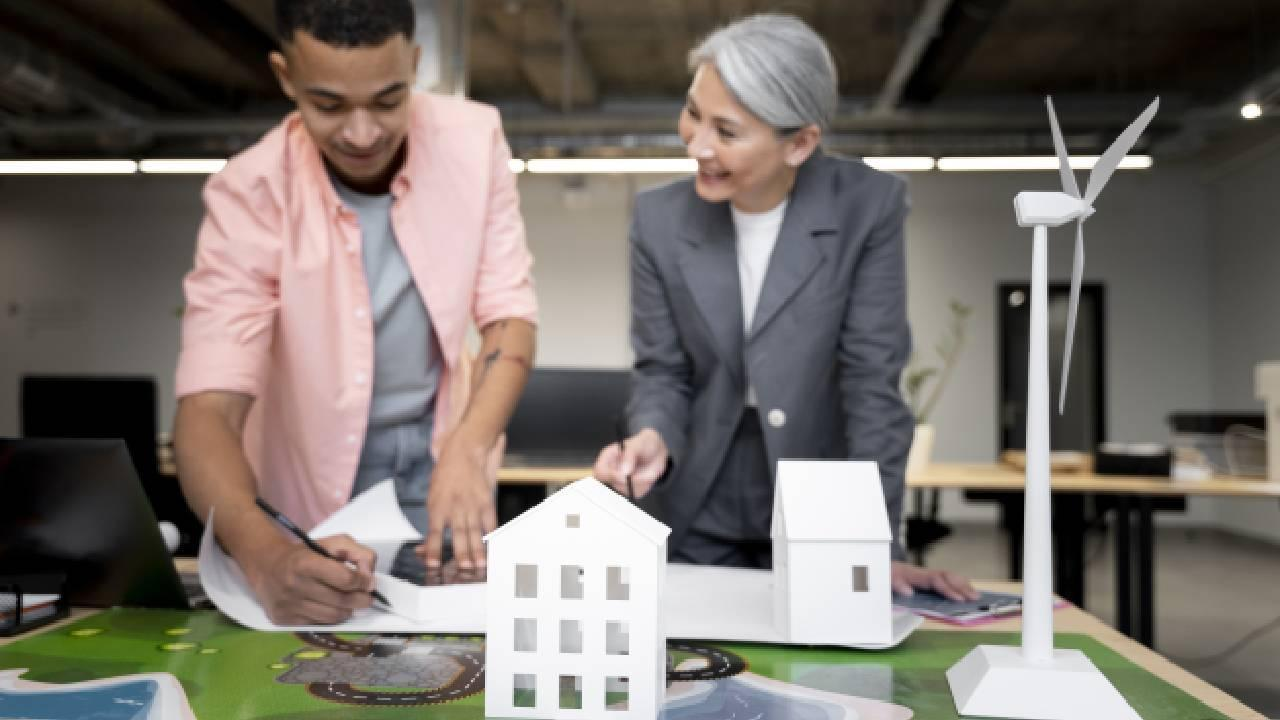
Image Credit Goes to Freepik
One of the core components of any green building initiative is energy efficiency. Commercial spaces can incorporate several strategies to reduce energy consumption:
- Upgrade to Energy-Efficient Lighting: Replace traditional incandescent bulbs with energy-efficient LED lights. Implement motion sensors and daylight harvesting systems that adjust lighting based on occupancy and available natural light.
- Smart HVAC Systems: Advanced heating, ventilation, and air conditioning (HVAC) systems can be equipped with sensors and smart technology to optimize temperature and air quality, reducing energy waste.
- Improve Building Insulation: Insulate walls, windows, and roofs to minimize heat loss and improve energy efficiency. Consider high-performance windows with coatings that reduce heat gain in summer and heat loss in winter.
- Use Renewable Energy: Install solar panels, wind turbines, or purchase renewable energy from local utilities to offset the building’s energy consumption.
- Building Management Systems (BMS): Install a BMS to monitor and control energy use, ensuring systems operate optimally and energy waste is minimized.
Enhancing Water Efficiency
Water conservation is an essential aspect of green building standards. By reducing water consumption, businesses can lower utility costs and minimize their environmental impact. Here are some strategies for enhancing water efficiency:
- Low-Flow Fixtures: Install low-flow faucets, toilets, showerheads, and urinals to reduce water usage in bathrooms and kitchens.
- Water-Efficient Landscaping: Use drought-tolerant plants, minimize lawn areas, and install efficient irrigation systems that use less water and adapt to seasonal changes.
- Rainwater Harvesting Systems: Collect and store rainwater for irrigation and non-potable uses, reducing reliance on municipal water supplies.
- Greywater Recycling: Recycle water from sinks, showers, and laundry for use in irrigation or toilet flushing.
Focusing on Indoor Environmental Quality
Creating a healthy and comfortable indoor environment is a key component of green building standards. Strategies to improve indoor environmental quality (IEQ) include:
- Ventilation: Ensure proper ventilation systems are in place to improve air quality and prevent the buildup of harmful pollutants. Consider using high-efficiency air filters (HEPA) and air purifiers to reduce allergens and airborne contaminants.
- Natural Lighting: Maximize the use of natural light by installing large windows or skylights. Daylight sensors can also be used to adjust artificial lighting based on the amount of natural light available.
- Non-Toxic Materials: Use materials that are low in volatile organic compounds (VOCs) and free from harmful chemicals such as formaldehyde. This includes paint, adhesives, flooring, and furniture.
- Acoustic Comfort: Pay attention to noise levels and acoustics in the space. Soundproofing materials, noise-dampening features, and design elements can contribute to a more comfortable and productive environment.
Pursuing Green Certifications
Achieving green building certifications like LEED or BREEAM requires meeting certain standards across various categories, including plumbing and water efficiency. A certified plumber experienced in sustainable plumbing solutions can help ensure that the space meets these standards. Furthermore, businesses can rely on professional drain cleaning and plumbing inspections as part of their efforts to maintain compliance with green certifications.
Each certification program has specific requirements, ranging from energy use and water efficiency to social responsibility and innovation. To pursue certification, businesses must:
- Review the specific requirements of the certification program.
- Hire a sustainability consultant or green building expert to guide the process.
- Implement the necessary changes and documentation to meet certification standards.
- Submit the project for review and obtain certification.
Sustainable Materials and Waste Management
Sourcing sustainable materials and implementing waste reduction strategies are fundamental to green building standards. Some key actions include:
- Sourcing Recycled and Renewable Materials: Choose construction materials that are sourced sustainably and have a lower environmental impact, such as bamboo, reclaimed wood, and recycled steel.
- Low-Impact Construction Practices: Reduce the environmental footprint of construction or renovation by using prefabricated materials, minimizing waste, and diverting construction debris from landfills.
- Waste Diversion: Implement recycling and composting programs within the building. Ensure that waste is separated appropriately and that reusable materials are redirected for further use.
Conclusion
Incorporating green building standards into commercial spaces offers long-term benefits such as cost savings from reduced energy and water bills, improved employee well-being, and increased building value. It also enhances brand image, attracting eco-conscious consumers and talent while ensuring compliance with sustainability regulations. By adopting these practices, businesses reduce their environmental impact and create more efficient, comfortable spaces, making green building standards a smart investment for a sustainable future.