











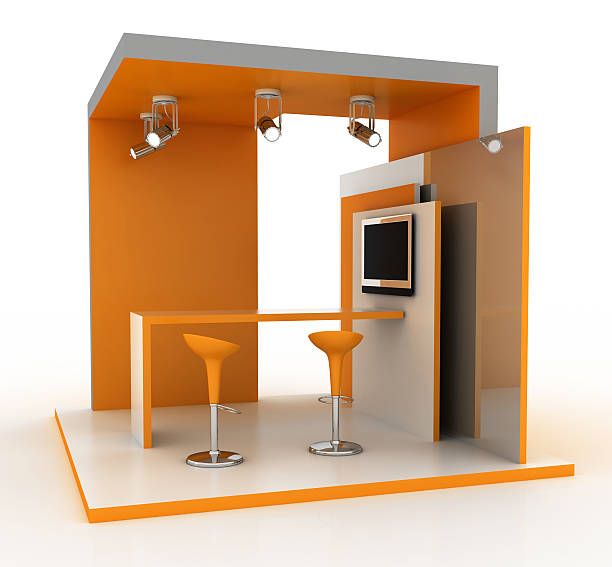
Winning a trade show isn’t just about bright lights or cool gadgets; it’s really about the story you share. For B2B companies in crowded fields, a 20×30 booth turns into a small stage where you can show who you are, what you believe, and why visitors should care. Of course, using that space well demands a blend of smart planning, fresh ideas, and plain old practicality.
In this post, we’ll walk you through the steps to build a memorable 20×30 display that shares your brand story and explain how a pro booth builder can lift the whole project from good to great.
Know Your Brand Story Before You Design
Before you open a design app or pull out grid paper, sit down and spell out the story you really want to tell.
Your B2B brand story should answer a handful of simple but important questions:
- Who are you as a company?
- What problem do you solve for other businesses?
- How are you different from everyone else in the field?
- What values guide the way you work with partners?
This story shouldn’t sit inside a dusty brochure; it needs to live in every corner of your 20×30 trade show display. Once the story is clear, every detail- layout, lighting, materials, messaging- must echo that same theme.
A skilled trade show booth constructor takes your words and turns them into walls, graphics, and textures that feel real and inviting. When they do that well, visitors sense authenticity before you even say hello.
Mapping your booth gives visitors a clear journey through your brand—first they notice you, then they start to trust you.
An experienced trade show builder pays close attention to walkways, sight lines, and buyer psychology so every section invites questions and drives interest.
Match Your Look to Your Brand Values
Your story comes through in words and in pictures. At a show, that means using graphics, colors, materials, and lighting to speak for your business.
For example:
- A tech company might choose sleek aluminum, glass, and digital displays that feel forward-looking.
- A green supplier may use reclaimed wood, soft LED bulbs, and earthy greens to underline sustainability.
- A logistics firm could animate moving routes on large screens to show speed and connection.
Top visual tools include:
- Custom backdrops packed with infographics, numbers, or mission statements.
- LED panels that cycle through testimonials, case studies, and social-media highlights.
- Color schemes picked to trigger feelings and stand out from neighbors.
When these parts work together, trust grows. B2B buyers rely on facts but stop for the emotion of good design sparks. A well-planned 20×30 display balances both.
Add Fun, Hands-On Elements That Reinforce Your Message
Publishing a great story is thrilling, but Stories perform best when they pull viewers in. That’s where hands-on features come into play. Lean on ideas that let guests touch, tap, move, or listen, leaving a memory-cementing imprint behind.
Ideas to try:
- Touchscreen product selectors let visitors filter your catalog by sector, problem, or interest.
- Live demos on the show floor, planned each hour.
- Augmented reality (AR) overlays show your gear in action inside a customer’s own factory or office.
- Surprise sounds or mild scents can add a layer guests didn’t expect.
Nothing in the mix should feel random; every moment of fun needs to tie back to how your brand solves a daily headache.
Find an imaginative booth builder who can map the tech to the story you want told and keep costs reasonable.
Don’t Forget the Human Factor: Training and Staff Positioning
A polished 20×30 trade show wall is wasted without skilled hands behind it. Your team tells the story out loud, and their warmth, speed, and know-how can finish the tale or pull visitors right back out.
To boost storytelling through staffing:
- Put greeters at the front zone with simple lines that spark curiosity.
- Pair tech reps inside the booth who listen deeply, trouble-shoot on the fly, and tie each answer to a product demo.
- Rotate card/lead collectors whose only job is to pull in contact info quickly, so others stay free to chat.
- Cross-train everyone so anyone can jump in wherever the crowd moves.
Staff should look fresh, know the latest product updates, and speak with genuine enthusiasm. Set high standards, rehearse the pitch, and keep energy levels up throughout the day.
- Position product experts in the middle zone so they can show features up close and tackle tougher questions.
- Put sales team members in the back zone where they nurture warm leads and set up follow-up calls.
Everyone needs clear brand language, a quick elevator pitch, and a map of how to walk visitors through the booth. With solid training, your staff becomes part of the booth design.
Post-Show Strategy: Keep the Story Going After the Event
Your brand story shouldn’t stop when the last attendee leaves the hall. A well-planned 20×30 display can carry that story beyond the show.
Here’s how to make it work:
- Lead Capture: Use digital forms and QR codes to save chats and hand out follow-up tasks.
- Booth Media: Snap photos and shoot video of the booth so you can use them later in posts and case studies.
- Follow-Up Campaigns: Send targeted emails that mention specific chats or demos visitors enjoyed.
- Analytics: Ask your trade show booth builder to add features like visitor counters or heat maps for better reports.
Doing this keeps the narrative alive and squeezes more value from your trade show budget.
Conclusion: Your Booth Is Your Brand in 3D
Creating a 20×30 trade show display that really speaks for your B2B brand combines creativity with solid planning. You need a sharp message, a smart layout, eye-catching graphics, and a crew that lives and breathes that story.
When you team up with a skilled booth builder, your idea becomes a show-stopping space that grabs attention, shares information, and turns visitors into leads. Whether you are launching a product, entering fresh territory, or reinforcing your name, the right setup can kick-start lasting growth.
Amid a crowded floor, your unique story is the strongest edge you can show. Tell it boldly, clearly, and memorably—one square foot at a time.