












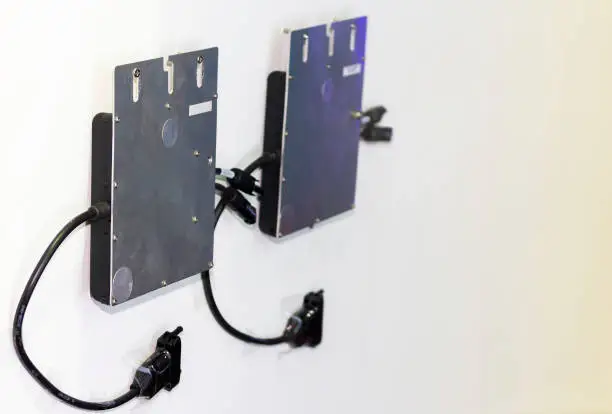
Rooftop solar has grown from a niche market to a widespread energy solution in just a decade, propelled by sharper technologies, supportive policy frameworks, and a pressing appetite for clean energy. Micro inverters, in particular, stand at the forefront of this evolution, empowering residential and commercial systems to deliver higher throughput, improved fault immunity, and granular, real-time monitoring. Inverter developers aiming to retain a market edge must therefore track the innovations micro inverter makers introduce, as these components are subtly redefining architectural norms for photovoltaic systems.
In the sections that follow, we analyze how micro inverters are recalibrating rooftop solar design and operational metrics, highlight the specialized advantages they provide to commercial customers, and outline the tactical levers that B2B decision-makers should activate when vetting vendors and embedding the technologies into broader energy offerings.
The Rise of Micro Inverters in Rooftop Solar Systems
Conventional rooftop solar systems typically use a single string inverter to convert the DC output of solar panels into grid-ready AC power. While this design has proven dependable, it struggles in situations where panels receive inconsistent sunlight due to partial shading, varying tilt angles, or the quirks of complex rooflines. Micro inverters solve the problem by assigning a compact inverter to every single panel: even tiny variations in performance are equalized on the module level, resulting in a higher overall yield and far more detailed performance data for every module.
The surge of micro inverters also signals a strategic pivot for inverter manufacturers. Companies are seizing the moment by emphasizing product lines where higher power output, seamless expandability, and cloud-connected data analytics come built in. This has crystallized a fertile segment of the market, driven more by next-generation features than by price alone.
Enhanced Energy Harvest and System Efficiency
Perhaps the greatest asset of micro inverters is their relentless pursuit of energy maximization. In a traditional setup, one weak or shaded panel can drag down a complete string, effectively capping the performance of perfectly functioning modules. In contrast, micro inverters permit every panel to run at its own optimal point. Consequently, a shaded leaf, the footprint of rooftop ventilation, or variations in tilt due to a corrugated roof no longer dictate the architecture’s overall output. The boost in harvested kilowatt-hours can be substantial, translating into faster return on investment and improved energy independence for the homeowner.
For commercial rooftop installations, maximizing ROI has become a table-stakes objective from a B2B viewpoint. Facility managers, solar integrators, and procurement decision-makers now gravitate toward micro-inverter vendors capable of providing both higher energy capture and reliable output guarantees for the lifetime of the system. Firms that foreground these performance yields in their proposals naturally differentiate themselves, transforming the articulation of efficiency into a decisive partnership lever across valuable commercial deployments.
Advanced Monitoring and Predictive Maintenance
Granular visibility has emerged as a hallmark advantage of micro inverters. By enabling the tracking of each module in real time, these devices reveal performance variations that might otherwise remain concealed, facilitating prompt corrective action. This evidence-based visibility cultivates an energy-production optimization cycle and supports predictive maintenance, ultimately shrinking both downtime and total cost of ownership.
For B2B customers, aligning with manufacturers that bundle thorough and scalable monitoring is often a pivotal requirement. Commercial buyers expect both reliability and visibility; the ability to remotely validate system condition and output cultivates long-term confidence in the investment. Companies that embed these monitoring capabilities thereby evolve their value proposition beyond hardware, packaging actionable intelligence that reduces risk and strengthens client stewardship.
Flexibility in Design and Installation
Today’s micro-inverter brands are pushing new design and installation boundaries for rooftop solar projects. Since each module functions on its own, designers can mix, match, and orient panels to navigate quirky rooflines, persistent shade, or warranting room for future arrays. That liberty is priceless on commercial properties flaunting cantilevered roofs, skylights, or on phased install timetables. By specifying incomplete systems upfront, clients preserve capital and expedite commissioning cycles.
Micro inverters also decouple the heavy, low-voltage trunk cables usually mandated by string systems. This cuts the number of roof penetrations and simplifies the wire-to-safety-latch match, freeing installers from string inversions. A roof sheet can be farmed, leveled, and flooded with panels in days, clipping installation days and labor hours when the same crew will repeat arrays across a portfolio. Firms peddling modular, off-the-shelf micro hardware can track overall labor-saved metrics that bolster margin and business cases for repeat rooftop leasing.
Driving Industry Innovation and Sustainability Goals
Micro-inverter suppliers are pushing the overall rooftop solar industry forward, creating gravitational advantage for firms down supply chains. By upping each rooftop’s energy harvest profile, seed-sized intelligence, and system adaptability, micro technology is smoothing the shift to microgrid mains and corporate net-zero planks. Panels that monitor, harvest, and recycle energy on the same diplôme increment solar’s financial upside, tossing down the proverbial gauntlet to older hardware bolt, shading abatement, or labor avoidance. These near-term gains override capital excuse, aligning project underwriting with the crème de la crème of corporate ESG metrics and low-risk vendoring benches.
For solar inverter companies, aligning with emerging market trends is a prerequisite for expansion. By delivering advanced, dependable, and eco-conscious solutions, firms unlock access to substantial commercial project tenders, align with shifting incentive frameworks, and build lasting ties with energy-savvy customers. In this manner, the strategic options selected by micro inverter producers mold overall market behavior and underpin industry advancement.
Choosing a micro inverter supplier calls for more than a technical scorecard. Business customers must weigh supplier reliability, warranty structures, service responsiveness, and the capacity for seamless integration with existing energy-monitoring systems. Equally important is the supplier’s ability to scale, interface with legacy solar systems, and comply with worldwide safety as well as quality benchmarks.
Solar inverter firms determined to stand out in an aggressive market should cultivate enduring supply relationships with proven micro inverter producers. Joint product development, predictable lead times, and proactive technical assistance convert ordinary transactions into competitive assets. To translate this into feasible action, customers should evaluate partners’ research and development depth, investigating the supplier’s track record in advancing inverter technology. Ongoing attention to innovation secures a trajectory in which next-generation rooftop systems exhibit steadily improving efficiency, superior diagnostics, and minimized operating expenses, thereby keeping commercial stakeholders one step ahead of the market évolution.
Conclusion
Micro inverters manufacturers are fundamentally changing rooftop solar by delivering superior efficiency, unmatched design flexibility, and detailed performance insights—advantages that string inverters simply no longer provide. For inverter firms, grasping how leading micro inverter suppliers operate is now a prerequisite for crafting compelling, future-ready products, winning premium B2B deals, and accelerating the global shift toward clean energy.
As commercial customers put a premium on top-tier performance, steadfast reliability, and stringent ESG compatibility, micro inverters will remain central to the continued maturation of rooftop solar architectures. By engaging forward-thinking suppliers and integrating their cutting-edge capabilities, inverter companies can stake their claim as architects of the solar landscape of tomorrow.