












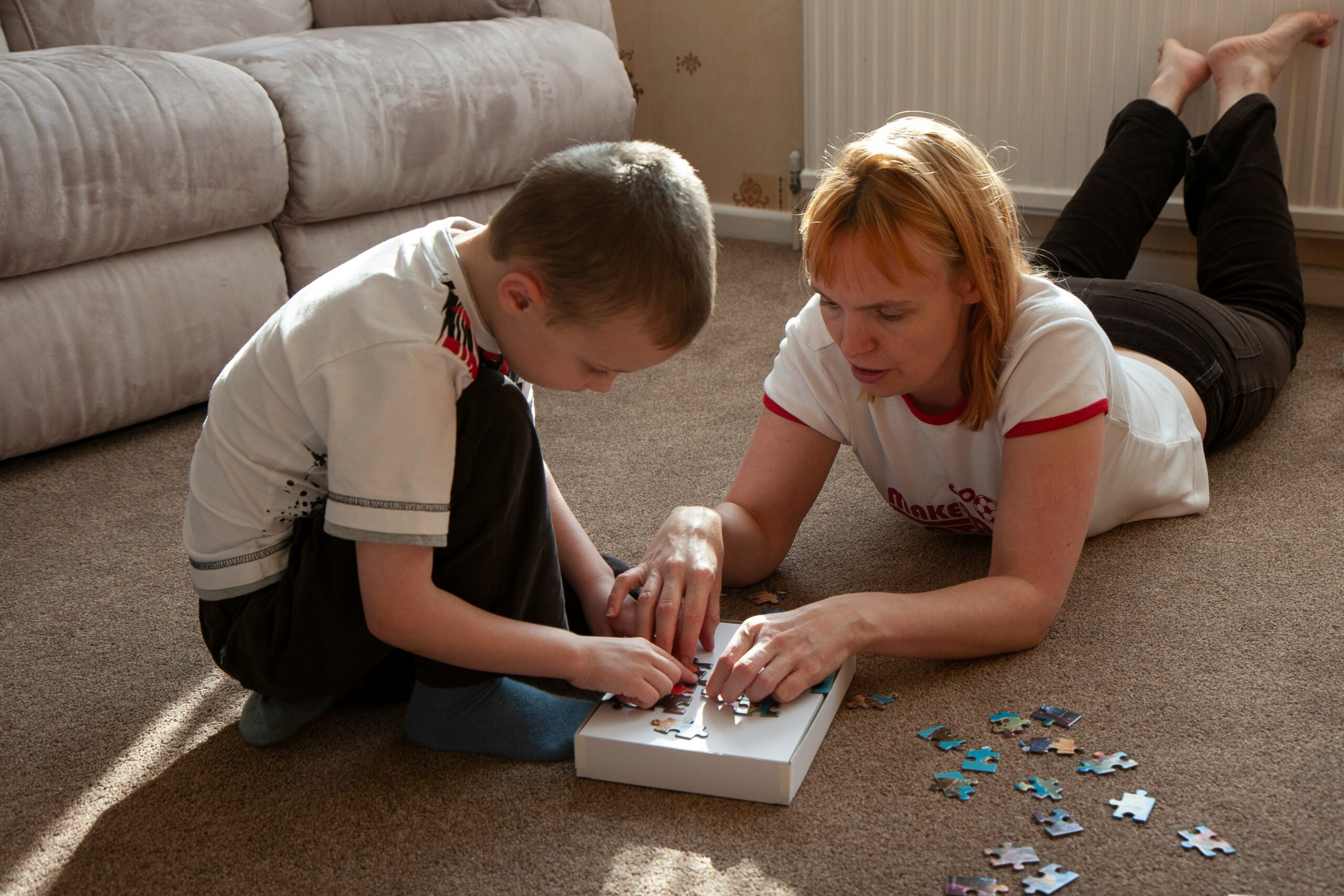
Autism Spectrum Disorder (ASD) affects how people think, communicate, and experience the world. Each person with autism is different. Some may speak fluently; others may not speak at all. Some may enjoy being around people; others may need quiet time alone. As we learn more about autism support, one thing becomes clear: compassionate care can make a huge difference.
Compassionate care is not just about being nice. It’s about truly understanding, respecting, and supporting autistic people in ways that make them feel safe and valued. When we lead with kindness and empathy, we can help autistic individuals live happier, healthier lives. Read on.
What Is Compassionate Care?
Compassionate care means treating people with respect, patience, and understanding. It means looking beyond labels and seeing the whole person. For autistic people, this kind of care is especially important.
In practice, compassionate care means:
- Listening to what a person is trying to say even if they don’t use words
- Accepting behaviors that help them feel calm, like hand-flapping or rocking
- Creating safe, quiet spaces when needed
- Asking for consent before touching or helping
- Letting people make choices for themselves
- Working closely with families and caregivers
This approach helps autistic individuals feel more comfortable, confident, and included.
Why Compassion Matters in Autism Support
Many autistic people feel misunderstood or judged. In the past, some therapies focused on making autistic people act more “normal” instead of accepting who they are. This often led to stress, fear, or even trauma.
Compassionate care changes that. It puts the person first. It focuses on support, not control. It helps people feel seen and heard.
Here’s how compassionate care helps:
Less Stress
When someone feels safe, they are less likely to become overwhelmed or upset. Compassion reduces sensory overload and emotional burnout, which are common among autistic individuals.
Better Relationships
Trust grows when people feel respected. Stronger connections lead to more meaningful social interactions and healthier emotional development.
More Communication
People open up when they know they won’t be judged. This includes both verbal and non-verbal communication, helping caregivers and professionals better understand needs and preferences.
Greater Independence
When people are supported, they learn to make their own choices. Compassion fosters confidence, which is key to developing life skills and personal autonomy.
Compassion isn’t just kind-it’s effective.
Changing How We Support Autistic People
Compassionate care is being used more in therapy, schools, and at home. It’s changing how we think about autism and how we support those on the spectrum.
Therapy and Health Services
Therapists are now using more gentle and respectful methods. Instead of forcing eye contact or stopping stimming (self-soothing actions like rocking or flapping), they help autistic people feel comfortable in their own way.
For example, speech therapists might use pictures or tablets to help non-verbal individuals communicate. Occupational therapists might help people manage loud noises or bright lights by offering calming tools like noise-canceling headphones.
Therapists who use compassionate care:
- Let people go at their own pace
- Listen more than they speak
- Ask for permission before trying new things
This builds trust and makes therapy more helpful. Choosing the right therapy, such as ABA Therapy, can greatly improve the life of any autistic patient.
Schools and Classrooms
In many schools, children are expected to sit still, make eye contact, and follow strict rules. But for autistic students, this can be very hard.
Teachers using compassionate care take a different approach. They learn about autism. They create classrooms that are quiet, calm, and flexible. They allow sensory tools like fidget toys or wiggle cushions. They understand that a student who needs a break isn’t being “bad”-they’re just doing their best to cope.
Compassionate teachers:
- Focus on support, not punishment
- Help all students feel included
- Work with families to meet each child’s needs
This helps autistic students learn, grow, and feel proud of who they are.
Family and Caregiver Support
Caring for an autistic child or adult can be joyful-but also stressful. Families often need extra help and understanding. Compassionate care extends to caregivers too.
Support programs can:
- Teach parents how to better understand their child’s behavior
- Offer breaks (respite care) to prevent burnout
- Connect families with others going through similar experiences
When families feel supported, they can provide better care. And when autistic people feel loved and understood at home, they thrive.
Listening to Autistic Voices
The most important voices in autism support are autistic people themselves. Many adults on the spectrum are now speaking up about their experiences. They want others to know what helps and what hurts.
They say:
- “Let me be myself.”
- “Don’t make me hide who I am.”
- “Respect how I communicate.”
- “Ask me what I need-instead of guessing.”
These voices remind us that autistic people are the experts on their own lives. Compassionate care means listening to them, believing them, and respecting their choices.
How to Build a More Compassionate World
We need more than kind individuals-we need systems that support compassionate care everywhere. That means:
Training Professionals
Doctors, teachers, and therapists need education about autism and empathy. This training should focus on real-life scenarios, neurodiversity awareness, and how to offer support that respects each person’s needs.
Changing Policies
Schools and clinics should support flexibility and inclusion. Policies should promote sensory-friendly environments, communication accommodations, and alternatives to punitive discipline.
Funding Programs
Families need access to affordable, compassionate services. Increased funding can provide therapy, respite care, and support networks for both children and adults on the spectrum.
Raising Awareness
The more people understand autism, the more support there will be. Public education campaigns and community events can help reduce stigma and encourage acceptance and understanding.
Compassionate care is not just a “nice extra.” It is the foundation of respectful, helpful support.
Get the Best Compassionate Care for Your Special Loved Ones
Autism is not something to fix it’s a different way of experiencing the world. Every autistic person deserves to feel safe, valued, and understood.
Compassionate care makes this possible. It sees each person as unique and worthy of respect. It helps people express who they are, instead of hiding it.
And it builds stronger relationships between autistic people, their families, and their communities. When we lead with empathy, we don’t just help autistic individuals we create a better, more inclusive world for everyone.
If you want to read more articles, visit our blog.