












Endoscopes are indispensable medical tools used to examine the internal structures of the body with minimal invasiveness. One of the critical components that enhances the performance of an endoscope is the bending section. This section enables the device to navigate through tight spaces and complex anatomy, ensuring that healthcare professionals can conduct thorough examinations. In this article, we explore the significance of bending sections in endoscopes, their construction, and how they contribute to the device’s overall performance.
What Is the Bending Section in an Endoscope?
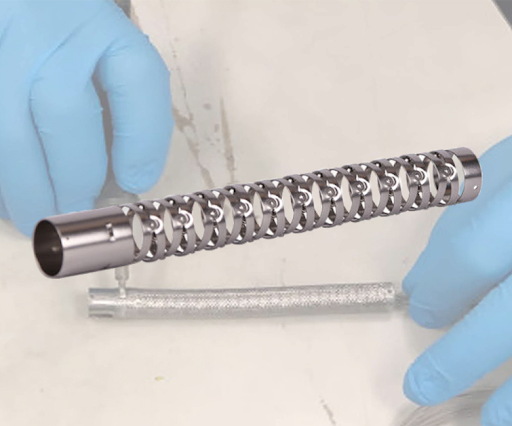
The bending section is a flexible part of the endoscope located near the tip of the insertion tube. It allows the endoscope to bend and maneuver through the body’s natural passages, such as the throat, gastrointestinal tract, or respiratory system. The bending section plays a crucial role in ensuring that the endoscope can reach areas that may otherwise be difficult or impossible to access with rigid instruments.
The bending section consists of a series of small, articulated components, including metal coils, cables, and rubber elements. These components work together to provide both flexibility and stability, allowing for precise control of the endoscope’s movements.
Components of the Bending Section
The bending section is designed with precision to balance flexibility and durability. Several components are integrated to create a bending section that is both functional and reliable:
1. Metal Coils
Metal coils are an essential part of the bending section, providing the flexibility needed to navigate tight spaces. These coils allow the endoscope to bend without losing its structural integrity. They are designed to be both strong and lightweight, offering the necessary support to ensure precise control.
2. Cables and Pull Mechanisms
Cables and pull mechanisms are used to control the bending action. These components allow the healthcare provider to manipulate the endoscope’s tip remotely. By pulling or releasing the cables, the endoscope can bend in specific directions, offering a high degree of control during procedures.
3. Rubber Components
Rubber is often used in the construction of the bending section to provide additional flexibility and protect the sensitive components inside. It also helps maintain the endoscope’s integrity during use, ensuring that the bending section remains durable even under repetitive stress.
4. Angulation Control
Angulation control mechanisms allow the operator to bend the endoscope to specific angles. This feature is especially important for reaching difficult-to-access areas in the body. The bending section can be adjusted to angles ranging from 120 to 180 degrees, providing flexibility for various medical procedures.
How the Bending Section Improves Endoscope Performance
The performance of an endoscope largely depends on the efficiency and flexibility of the bending section. Here are several ways the bending section enhances the overall effectiveness of the endoscope:
1. Enhanced Maneuverability
The primary function of the bending section is to provide maneuverability. With this flexibility, healthcare providers can navigate through tight or complicated anatomical passages with ease. The bending section allows the endoscope to turn, twist, and angle in various directions, making it highly versatile for a wide range of medical examinations.
2. Improved Access to Hard-to-Reach Areas
Without the bending section, many areas of the body would be inaccessible for examination or treatment. For instance, in gastrointestinal endoscopy, the bending section helps the endoscope move through the curvatures of the colon, enabling the doctor to view the inner lining in detail. Similarly, in bronchoscopy, the bending section allows the endoscope to navigate the airways, facilitating the diagnosis of respiratory conditions.
3. Precise Control During Procedures
A well-functioning bending section allows for precise control during endoscopic procedures. By adjusting the angulation and flexibility, the healthcare provider can examine tissues closely, take biopsies, or remove foreign objects with greater accuracy. The ability to control the endoscope’s movements enhances the overall effectiveness of the procedure, improving both patient outcomes and safety.
4. Minimally Invasive
Flexible endoscopes with bending sections reduce the need for invasive surgery. These tools allow doctors to perform diagnostic and therapeutic procedures without making large incisions, which results in less pain, fewer complications, and shorter recovery times for patients. The bending section is key in achieving this minimally invasive approach.
Factors That Affect the Durability of the Bending Section
While the bending section significantly enhances the endoscope’s performance, its durability can be impacted by several factors. These factors must be considered to ensure the endoscope remains functional over time.
1. Material Quality
The materials used in the construction of the bending section directly affect its longevity. High-quality metals and rubber components are essential for ensuring that the bending section maintains its flexibility and structural integrity under repeated use.
2. Routine Maintenance
Endoscopes require regular maintenance to ensure that all components, including the bending section, remain in optimal condition. After each use, the endoscope must be thoroughly cleaned and sterilized to prevent infection and avoid damage to the internal mechanisms. A bulk price ceiling light fan, for instance, can contribute to maintaining the environmental conditions necessary for proper care and storage, ensuring that the endoscope is protected when not in use.
3. Repetitive Use
Frequent use of the bending section can lead to wear and tear over time. Repeated bending may cause the coils or rubber elements to degrade, affecting the flexibility and performance of the endoscope. Healthcare providers must ensure that the endoscope is properly cared for and replaced when necessary.
Advances in Bending Section Technology
As the field of endoscopy continues to evolve, advancements in bending section technology have led to even more reliable and efficient devices. Some of the most notable advancements include:
1. Enhanced Flexibility
New materials and designs are being developed to improve the flexibility of the bending section. These innovations allow endoscopes to navigate even more complex anatomical areas, expanding the possibilities for diagnosis and treatment.
2. Robotic Assistance
The integration of robotic technology into endoscopic procedures has enhanced the control and precision of the bending section. Robotic-assisted endoscopes allow for more precise movements and better visualization, leading to improved patient outcomes.
3. Smaller Bending Sections
In recent years, advancements have also focused on making the bending section smaller and more compact. Smaller endoscopes are ideal for pediatric or neonatal patients, where traditional-sized instruments may not be feasible.
Conclusion
The bending section is a crucial part of flexible endoscopes, contributing significantly to their maneuverability and performance. By offering enhanced flexibility, improved access to hard-to-reach areas, and precise control, the bending section enables healthcare professionals to perform minimally invasive procedures with greater accuracy. As technology continues to advance, the design and functionality of bending sections will continue to evolve, improving patient care and making endoscopic procedures safer and more efficient.
By understanding the role of the bending section, healthcare providers can better appreciate the complexity of flexible endoscopes and the advantages they offer in medical practice.