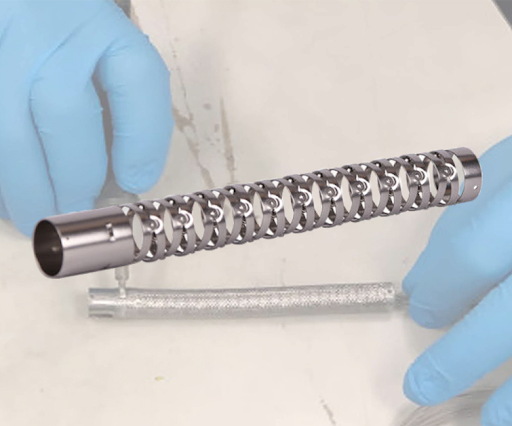












The water jet valve adapter is an essential component in various medical and industrial applications, particularly in endoscopic procedures. This device plays a vital role in controlling the flow of water to ensure optimal irrigation and visualization during surgeries or diagnostics. To get the most out of your water jet valve adapter, proper handling and maintenance are key. In this article, we’ll explore ten expert tips to help you use this tool more effectively and extend its lifespan.
1. Understand the Role of the Water Jet Valve Adapter
Before diving into the operational aspects, it’s crucial to understand the function of the water jet valve adapter. This component helps regulate the flow of water through the endoscope, assisting in cleaning the lens, washing away debris, and improving visibility during procedures. Without a properly functioning water jet valve adapter, the effectiveness of your endoscopic procedure can be compromised.
2. Ensure Proper Cleaning After Each Use
Like many other medical tools, the water jet valve adapter requires regular cleaning to prevent buildup and contamination. After each use, thoroughly clean the adapter to ensure no water or debris is trapped inside. Use a recommended cleaning agent that won’t damage the delicate components of the valve.
Additionally, it’s essential to sterilize the adapter according to manufacturer guidelines to avoid any risk of infection. Improper cleaning can lead to the accumulation of bacteria or biofilm, reducing the effectiveness of the device and potentially affecting patient safety.
3. Check for Wear and Tear Regularly
Routine inspections are vital for ensuring that the water jet valve adapter continues to function properly. Over time, seals, valves, and other internal parts may experience wear and tear. Regularly checking for leaks, cracks, or reduced water flow can help you catch issues early.
If you detect any signs of damage, replace the affected parts immediately to prevent further complications. A small issue can quickly escalate if not addressed, so early detection is key.
4. Use the Right Water Pressure
Maintaining the correct water pressure is critical to the proper functioning of the water jet valve adapter. Too much pressure can damage the valve, while too little can affect the flow, making it less effective. Always adjust the water pressure to meet the specific needs of the procedure.
Some medical environments may have preset pressures based on the type of procedure, so be sure to familiarize yourself with these settings. Proper calibration ensures that you get optimal performance from your water jet valve adapter.
5. Store the Adapter Properly
When not in use, the water jet valve adapter should be stored in a clean, dry, and safe location. Avoid placing it in areas where it may be exposed to harsh chemicals, moisture, or direct sunlight. Prolonged exposure to extreme conditions can degrade the materials and lead to malfunctions.
Storing the adapter in a protective case can help shield it from accidental damage and keep it in working condition for longer. Make sure it’s stored in a position where it won’t be bent or compressed, as this can also cause damage.
6. Pair the Adapter with Compatible Tools
To ensure that your water jet valve adapter works efficiently, always pair it with compatible tools and devices. Whether you’re using it in conjunction with a high-definition endoscope or a specialized suction system, compatibility ensures smooth operation and prevents issues from arising during procedures.
If you’re unsure about which tools are compatible with your water jet valve adapter, consult the user manual or reach out to the manufacturer for guidance.
7. Regularly Test the Adapter
Before every procedure, it’s essential to test the water jet valve adapter to ensure it’s functioning properly. Check that water flows smoothly and at the appropriate pressure. This can prevent any surprises during critical procedures.
Testing before use also ensures that all components are working and the device is free of leaks or defects that could affect performance.
8. Use Gentle Handling and Maintenance
Water jet valve adapters are delicate instruments that require careful handling. Avoid dropping, banging, or putting unnecessary pressure on the adapter. Such actions can cause internal damage that may not be immediately visible but can impair the device’s function.
Additionally, during maintenance, use only tools or cleaning materials recommended by the manufacturer to avoid damaging sensitive parts. Gentle care ensures that your water jet valve adapter lasts longer and continues to work effectively.
9. Monitor Fluid Use and Waste
To prolong the life of your water jet valve adapter, monitor the amount of fluid used during each procedure. Excessive use of water or other fluids can cause unnecessary strain on the device and increase the frequency of maintenance.
By managing fluid use efficiently, you can ensure that the adapter remains in optimal condition. Additionally, minimizing waste helps maintain a sterile and controlled environment, which is essential in medical settings.
10. Invest in Quality Equipment
Finally, invest in high-quality water jet valve adapters that are designed for longevity and durability. While cheaper alternatives might seem tempting, they can often wear out quickly and lead to more frequent replacements. Opting for quality products from trusted manufacturers ensures you’re getting the best performance and reduces the overall cost of ownership in the long run.
In addition to quality equipment, consider investing in complementary tools that enhance overall performance. For example, rechargeable fan systems can improve the comfort and efficiency of the workspace, ensuring a better environment for both healthcare professionals and patients.
Conclusion
The water jet valve adapter is a crucial component in maintaining the efficiency and effectiveness of your endoscopic procedures. By following these ten expert tips—regular cleaning, proper storage, correct water pressure, and using compatible tools—you can maximize the lifespan of your equipment and ensure that it functions optimally during each use.
Proper care and maintenance not only reduce the risk of complications during procedures but also contribute to better patient outcomes. By investing in quality tools and adhering to best practices, you can maintain the functionality of your water jet valve adapter for many years to come.